






The Beauty of Organised Chaos
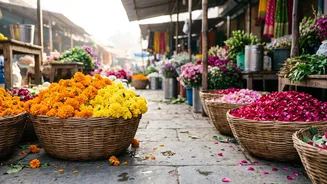
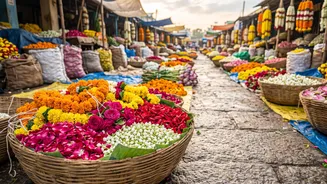
The air is thick with the mixed fragrances of jasmine, marigold, and rose, punctuated by the shouts of vendors and the frantic energy of buyers. This is the scene at major wholesale flower markets across India, from Ghazipur in Delhi to KR Market in Bengaluru.
These are not tourist destinations in the traditional sense; they are the pulsating hearts of the country's floral trade. Trucks arrive in the pre-dawn darkness, unloading mountains of blooms sourced from farms near and far. By 4 a.m., the market is a whirlwind of activity as florists, wedding planners, and temple suppliers haggle for the freshest stock. It’s a loud, practical, and often wet-underfoot experience, where business is conducted at a rapid pace before the sun is even fully up. The sheer volume is staggering, with flowers sold not by the stem, but by the kilogram or in massive bundles.
A World of Manicured Calm
In stark contrast stand the curated floral attractions. Think of the serene pathways of a botanical garden or the meticulously arranged displays at the Ooty Flower Show. These places are designed for leisure, appreciation, and photography. The primary goal is not commerce, but contemplation. Here, flowers are presented with labels, arranged in aesthetically pleasing designs, and set within a peaceful, park-like environment. Visitors are encouraged to stroll, to learn, and to admire the artistry of landscape design. The experience is predictable, calm, and operates on visitor-friendly timings, a world away from the functional, sometimes gritty, reality of a wholesale market.
Commerce Versus Contemplation
The fundamental difference lies in their purpose. A wholesale market is an engine of commerce. It is the critical first stop in a supply chain that feeds flowers to the entire city for daily rituals, grand celebrations, and everything in between. Efficiency and price are key drivers. Sellers aim to move huge quantities of perishable goods as quickly as possible. In contrast, a curated attraction is about creating an experience. The value lies in the presentation, the variety on display, and the tranquil atmosphere it provides. You visit a wholesale market to witness the raw, unfiltered energy of trade; you visit a garden to escape it.
The Early Bird Gets the Bloom
Timing is everything. To see a wholesale market at its peak, you must be an early riser. The most intense period of trading at markets like Dadar in Mumbai or Ghazipur in Delhi happens between 4 a.m. and 8 a.m. By mid-morning, the chaos has subsided, and many vendors have already sold out their best stock. This pre-dawn schedule is dictated by the needs of their customers—florists and decorators who need to prepare for the day ahead. Curated attractions, on the other hand, open their gates when the rest of the city is ready for leisure, typically from mid-morning until evening, catering to tourists and families.
A Guide for the Curious Visitor
Visiting a wholesale flower market can be an unforgettable experience, but it requires the right mindset. Wear closed-toe shoes you don't mind getting dirty. Be prepared for crowds and a certain level of chaos. Remember that you are in a workplace; stay out of the way of porters and busy traders. While some vendors might sell smaller quantities, the primary business is wholesale, so don't expect a retail shopping experience. Photography is often welcomed, but it’s polite to be mindful and not obstruct business. These markets, such as Kolkata's Mullick Ghat, are a feast for the senses, offering a glimpse into a vital, fragrant corner of the local economy that few get to see.