





The Nolan Effect
Christopher Nolan has built a career on creating cinematic spectacles that demand to be seen on the largest screens possible. From the flipping truck in The Dark Knight to the folding cityscapes of Inception and the stark historical drama of Oppenheimer,
he is a staunch advocate for practical effects and, most importantly, shooting on film. He believes celluloid offers a depth and richness that digital formats can't replicate. This philosophy culminates in his preference for a very specific, and very rare, format: IMAX 15/70mm film, which he has used for his epic, The Odyssey.
The Gold Standard: IMAX 70mm Film
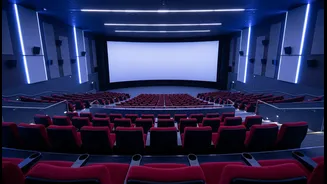
Not all 'IMAX' is created equal. The format Nolan champions is IMAX 15/70mm film, often called 'true IMAX'. Each frame of this film is gigantic—15 perforations wide, roughly ten times the size of a standard 35mm frame. When projected, it creates an image of unparalleled sharpness, clarity, and resolution, estimated to be the equivalent of 16K. The screen is so large and the image so vast that it fills your peripheral vision, creating an immersive 3D-like experience without the need for glasses. This is the format that allows Nolan to make the screen disappear, plunging the audience directly into the world of the film.
A Global Scarcity
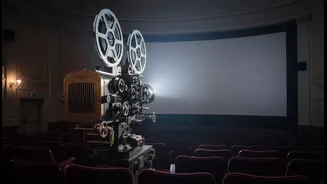
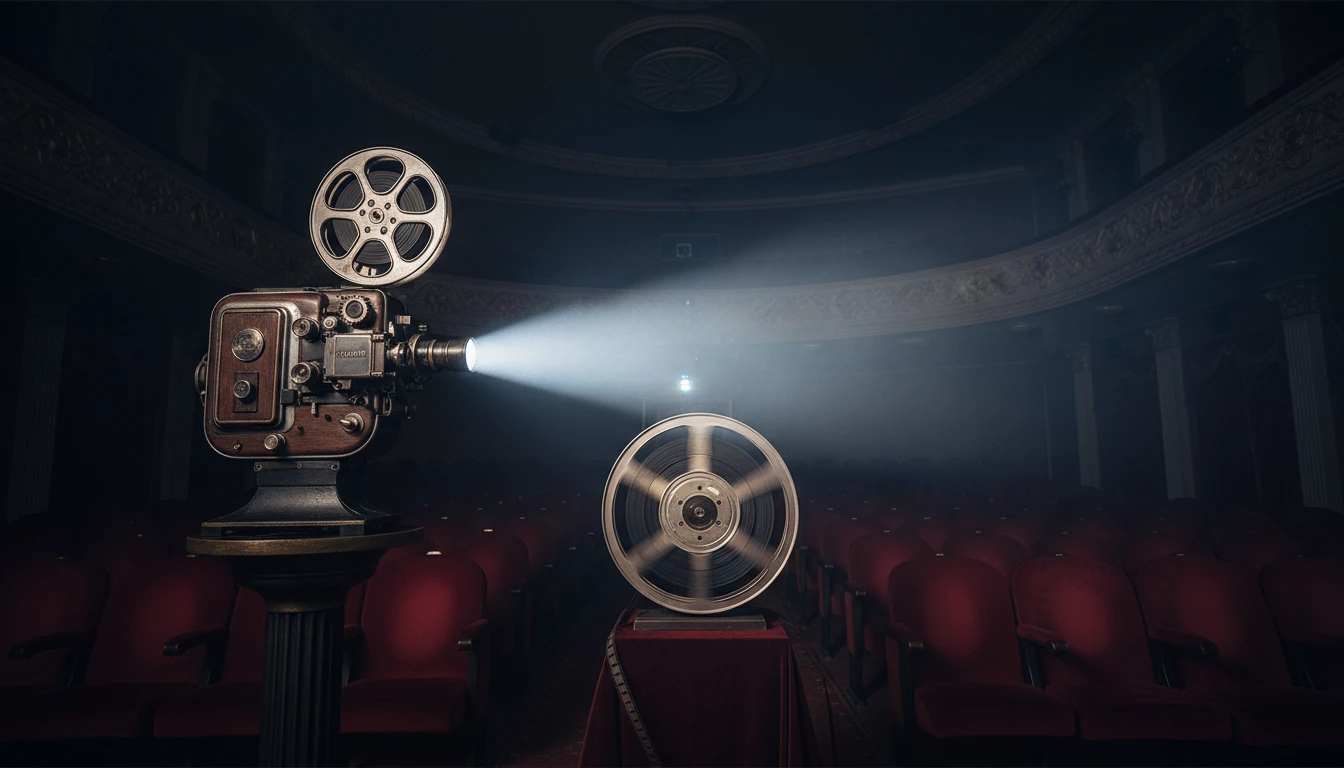
The reason so few theatres can screen The Odyssey as Nolan intended is a matter of technology and cost. IMAX 70mm film projectors are colossal, expensive machines that haven't been manufactured in decades. Theatres must hunt down and refurbish vintage projectors, a costly and complex process. Furthermore, operating them requires highly skilled projectionists, a profession that has dwindled since multiplexes switched to digital projection in the 2010s. The film prints themselves are also incredibly expensive to produce and cumbersome, with a single movie weighing hundreds of pounds. Due to these factors, only about 41 theatres worldwide are equipped for this format, up from about 30 for Oppenheimer after IMAX restored several projectors for The Odyssey's release.
What About India?
For Indian cinephiles, the news is bittersweet. Historically, India was home to one of the most celebrated IMAX 70mm screens in the world: Prasad's in Hyderabad. Its screen was one of the largest globally and showcased the true power of the format. However, in 2014, the theatre converted its 70mm film setup to a digital system. While Prasad's recently renovated its large screen with advanced 4K projectors and Dolby Atmos sound, it no longer has the 15/70 film projector required to show a movie like The Odyssey in its native format. As a result, not a single theatre in India can currently project true IMAX 70mm film, meaning audiences will have to experience the movie in a high-quality digital format, such as IMAX with Laser, which Nolan and his team spend months optimising to get as close to the original vision as possible.