

Why Herbs Are the Perfect Start
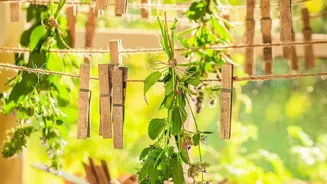
Starting your food-growing journey with herbs is a simple, low-investment way to connect with what you eat. Unlike vegetables that may require large plots or complex care, most herbs are perfectly happy in small pots on a windowsill or balcony. The benefits
are immediate: snipping fresh coriander for a curry or mint for your evening chai offers a burst of flavour that store-bought bunches can't match. Beyond the taste, tending to plants provides a documented sense of calm and stress relief, a welcome ritual in a busy urban life. Concerns over pesticides and chemicals in commercially grown produce are also encouraging more people to grow what they can at home, and herbs are the easiest first step in taking back control of your food.
Five Easy Herbs for Indian Kitchens
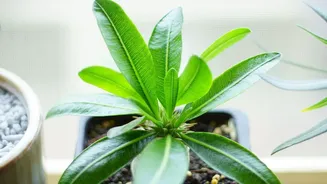
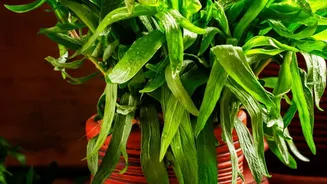
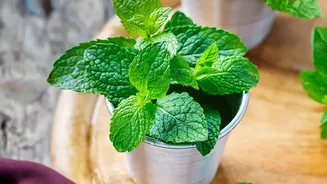
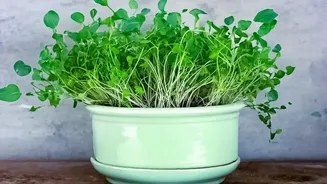
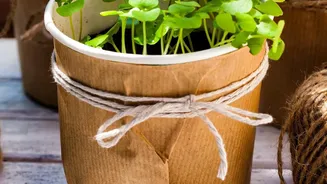
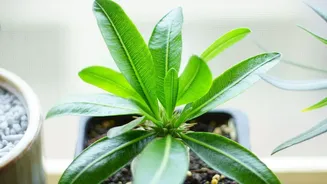
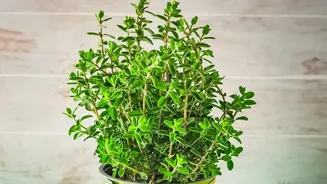
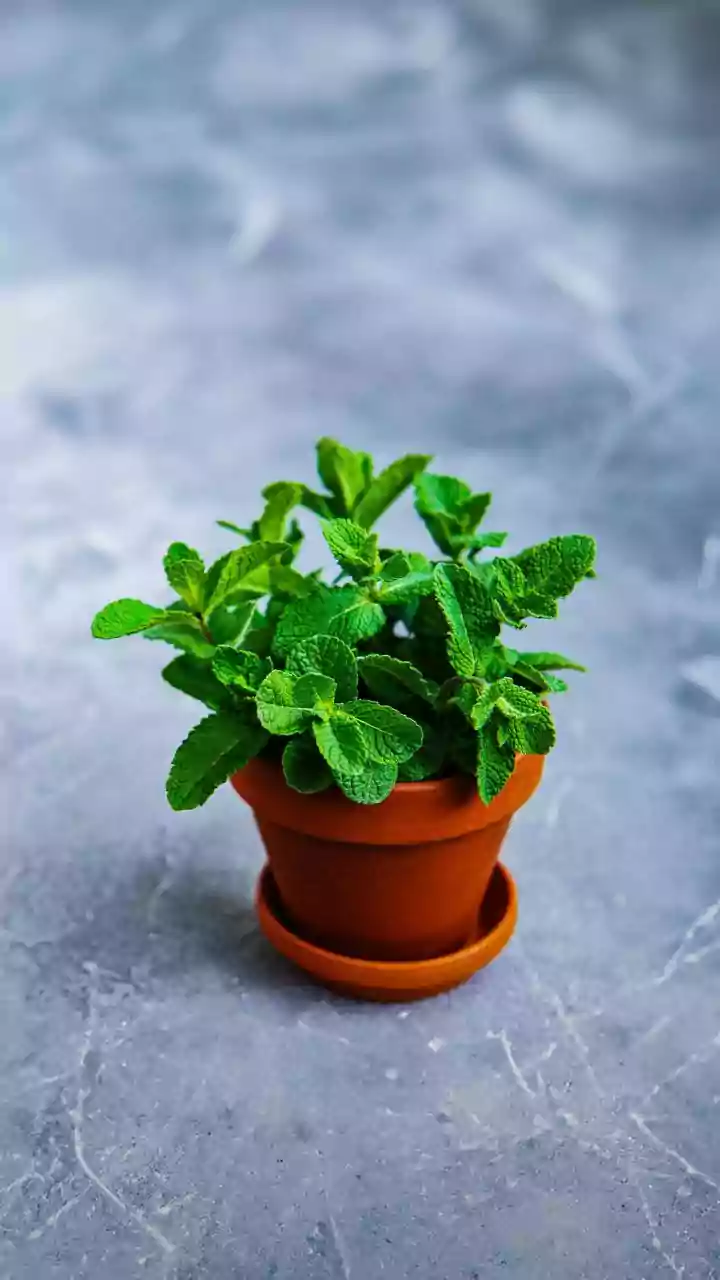
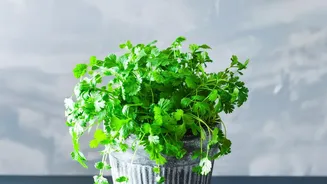
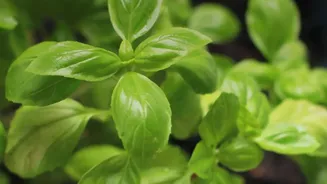
The key to a rewarding garden is to grow what you love to eat. Luckily, many herbs central to Indian cuisine are famously easy to grow. Start with these five: 1. Mint (Pudina): This resilient herb grows quickly and requires minimal care, thriving in pots with some moisture. Its refreshing leaves are perfect for chutneys, raitas, and drinks. It’s best to give it its own pot, as it spreads enthusiastically. 2. Coriander (Dhania): A staple garnish, fresh coriander is a must-have. It grows well from seed in the cooler months and prefers a spot with good sunlight. Nothing beats the aroma of freshly plucked dhania. 3. Holy Basil (Tulsi): Revered in Indian households, Tulsi is not only used for wellness and teas but is also a hardy plant that thrives in sunny spots. It's a forgiving plant for beginners and a wonderful addition to any home. 4. Curry Leaves (Kadi Patta): Essential for tadkas and south Indian dishes, the curry leaf plant grows well in a pot in a warm, sunny climate. Starting with a small plant from a nursery is often easier than growing from seed. 5. Ajwain (Carom): The plant's leaves have a sharp, distinctive flavour and are often used in parathas or fried as fritters. It is a hardy, fast-growing plant that does well in containers.
Setting Up Your Green Corner
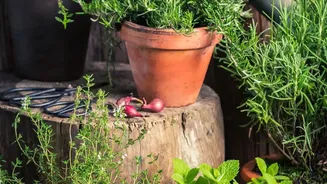
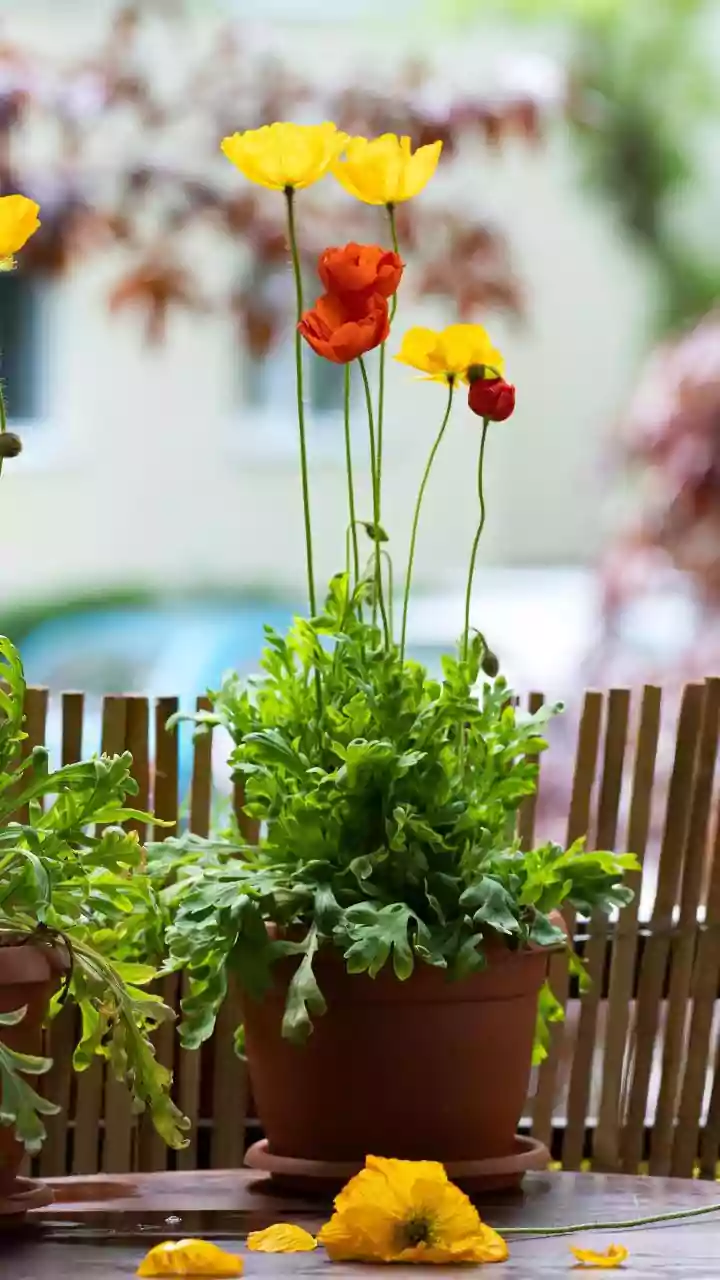
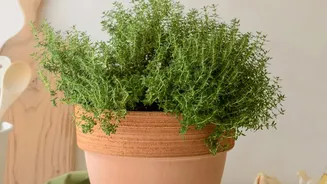
You don’t need a sprawling terrace to start. A kitchen windowsill that gets a few hours of sun is a perfect location for an herb garden. Most herbs require at least four to six hours of sunlight daily, so a south or west-facing window is ideal. If you have a small balcony, you can use railing planters or tiered stands to maximise your space. For containers, simple terracotta pots with drainage holes are a great choice as they help prevent overwatering. Use a well-draining potting mix, which you can buy online or at a local nursery. A good mix often contains garden soil, cocopeat (which helps retain moisture), and compost for nutrients. The ease of access to these supplies online has been a major factor in the urban gardening boom.
The Essentials of Care: Sun, Water, and Use
The biggest fear for new gardeners is killing their plants, but herbs are generally forgiving. The golden rule is to water only when the top inch of soil feels dry to the touch. Overwatering is a more common mistake than underwatering. Check your pots daily, especially during hot summer months, but only water when needed. The second key to a thriving herb garden is regular harvesting. Don't be shy about snipping leaves and stems. Frequent trimming encourages the plants to become bushier and produce more leaves, giving you a continuous supply. It’s a positive cycle: the more you use your herbs, the better they grow.
A Rewarding Lifestyle Shift
What begins with a single pot of mint can quickly evolve into a deeply satisfying hobby. Urban gardening has moved beyond a passing trend to become a permanent lifestyle choice for many in India. It’s a way to reclaim a patch of green amidst the concrete, improve the quality of your meals, and find a moment of peace in your day. Techniques like vertical gardening and using lightweight grow bags are making it possible to grow a surprising amount of food even in compact apartments. Growing herbs is the simplest entry into this world, offering a tangible connection to nature and the food on your plate.