




The Culinary Magic of Sour
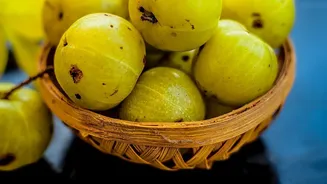
In the world of flavour, sourness is a critical balancing act. It cuts through richness, brightens dull notes, and adds a layer of complexity that makes food exciting. Amla delivers this in spades. Its taste is not a simple, one-dimensional sour like
lemon; it's a complex profile that includes bitterness and a distinct astringency that leaves the mouth feeling clean. This unique combination is why amla is a secret weapon in many Indian kitchens. It can temper the fiery heat of chillies, stand up to the boldest spices, and provide a perfect counterpoint to the deep sweetness of jaggery or sugar, creating a harmonious blend of flavours that is greater than the sum of its parts.
Classic Pairings: Sweet and Spicy
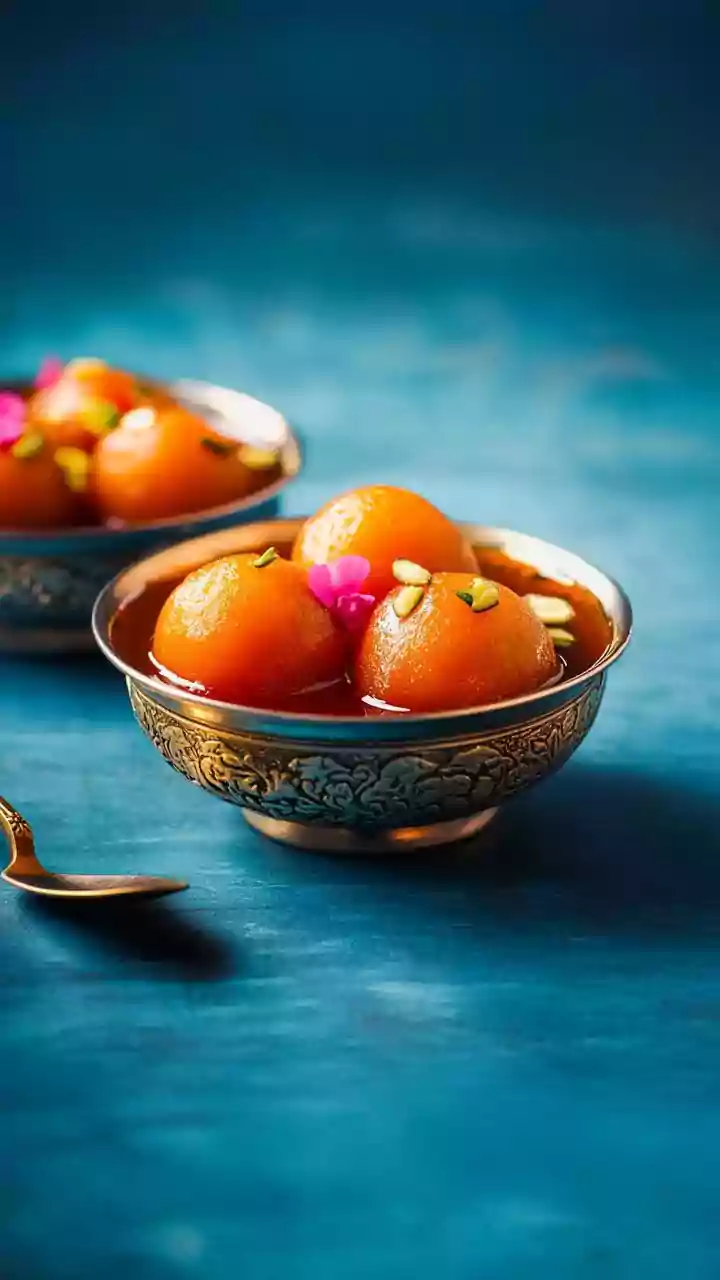
The most beloved preparations of amla masterfully tame its aggressive sourness by pairing it with sweet and spicy companions. Amla murabba is a perfect example, where whole gooseberries are slowly cooked in a thick sugar syrup, sometimes spiced with cardamom. This process softens the fruit and mellows its tang, turning it into a sweet, translucent delicacy. On the other end of the spectrum is amla achaar (pickle), where the fruit is combined with mustard oil, salt, and a potent mix of spices like fenugreek, fennel, and red chilli powder. Another popular use is in chutneys, where amla is blended with cilantro, mint, and green chillies for a fresh, zesty condiment that complements everything from samosas to rice dishes.
Putting Vitamin C in Context
Amla is famously celebrated for its high Vitamin C content, and the reputation is well-deserved. Per 100 grams, fresh amla contains significantly more Vitamin C than an equivalent weight of oranges. According to the Indian Council of Medical Research (ICMR), 100 grams of fresh amla has around 252 mg of Vitamin C. A single fresh amla, which weighs about 8-10 grams, can provide 20-25 mg of Vitamin C, a substantial portion of the daily recommended intake. However, it's important to understand that this nutrient is sensitive to heat and processing. While still a good source, preparations like murabba or pickles that involve boiling will have a reduced Vitamin C level compared to the raw fruit.
A Balanced View on Benefits
Beyond Vitamin C, amla is rich in polyphenols and other antioxidants that contribute to its health-promoting properties. Traditionally used in Ayurveda to support digestion, immunity, and skin health, modern studies have explored its potential benefits for metabolic health, including helping to manage blood sugar levels and cholesterol. The soluble fibre in amla can slow the absorption of sugar, which may help prevent sharp spikes in blood glucose. But context is key. While beneficial, amla is not a magic cure. For instance, while amla murabba provides year-round access to some Vitamin C, it comes with a significant amount of sugar, making moderation essential.
Bringing Amla into Your Kitchen
Incorporating this versatile fruit into your diet is easier than you might think. For maximum nutrient retention, consuming it raw is best. Try grating a small amount of fresh amla into salads, lentil dals, or yogurt for a tangy kick. You can also juice it, often combined with other ingredients like ginger and honey to make it more palatable. Amla powder is a convenient alternative, especially when fresh fruit isn't in season. A teaspoon can be stirred into smoothies, oatmeal, or even a simple glass of water for a quick nutritional boost. Just remember its potent flavour and start with small amounts, adjusting to your taste.