





Exceeding The Limit
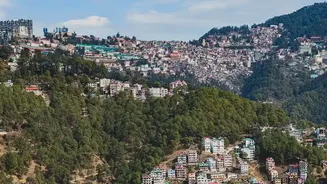
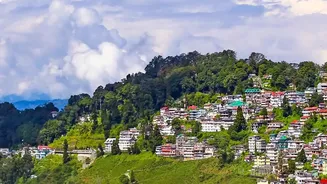
Many of India's most cherished hill stations are buckling under the pressure of 'overtourism'. These towns, often built during the colonial era for much smaller populations, are now seeing visitor numbers that far exceed their carrying capacity. For instance,
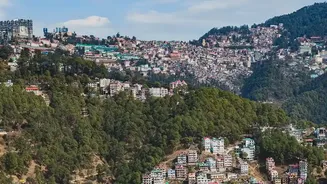
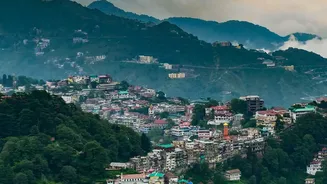
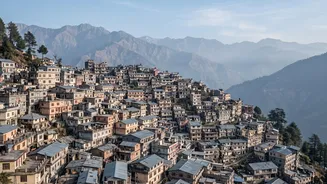
Shimla was originally designed for about 25,000 people but now hosts a massive transient population, especially during peak summer months and holidays. This massive influx, sometimes called 'revenge tourism' after pandemic-era restrictions, puts a huge strain on every available resource. The surge is often accelerated by heatwaves in the plains, pushing a flood of travelers uphill unprepared for the consequences.
Gridlock In The Mountains
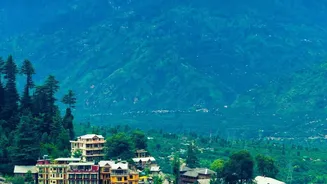
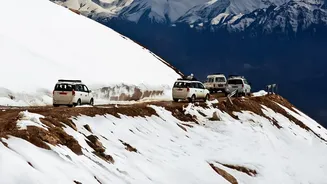
The most visible symptom of this crisis is the traffic. Legendary traffic jams spanning several hours are now a common feature on the roads leading to and within towns like Manali, Mussoorie, and Nainital. Parking has become a nightmare, with limited official spaces forcing tourists to park on narrow roadsides, further choking traffic flow. These long queues of vehicles not only frustrate tourists but also disrupt the daily lives of local residents and have a direct economic impact. When visitors are stuck in traffic for hours, they spend less time and money at local shops, restaurants, and attractions.
A Looming Water Crisis
Beneath the surface of the traffic jams lies a more critical problem: water scarcity. The surge in population, driven by tourists staying in hotels and guesthouses, places an unsustainable demand on fragile local water sources like natural springs and lakes. Hill stations like Shimla have faced severe water shortages, with taps running dry for days during peak season, forcing residents to queue for water tankers. The crisis is so acute that at times, locals have taken to social media to plead with tourists to stay away. Contamination of water sources by untreated sewage from overwhelmed systems has also led to public health crises, like jaundice outbreaks.
The Environmental Toll
The ecological damage extends beyond water. Unchecked construction of hotels and guesthouses, often on steep and unstable slopes, leads to deforestation and soil erosion. Waste management is another major challenge, with tourist areas and trekking trails often littered with plastic bottles, wrappers, and other non-biodegradable trash. The Beas River in the Manali region, for example, has suffered from contamination by untreated sewage and plastic waste. This environmental degradation, including habitat loss for wildlife, threatens the core appeal of these destinations, which is their natural beauty.
Searching for Sustainable Solutions
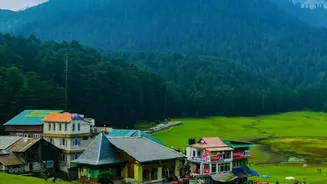
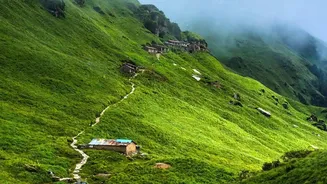
Addressing this crisis requires a multi-pronged approach. Experts suggest a shift from 'volume tourism' to 'value tourism', focusing on curated experiences rather than just managing crowds. This includes promoting lesser-known destinations to distribute the tourist load more evenly and developing community-based tourism models like homestays that empower locals. Stricter regulations on construction, better waste management systems, and investing in public transport are crucial infrastructure upgrades. Ultimately, a collective effort from governments, businesses, and tourists themselves is needed to preserve the charm and sustainability of India's beloved hill stations.