




The Rise of 'Analogue' Paneer
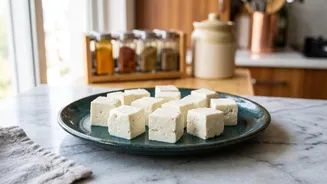
The heart of the issue is 'analogue paneer', a product designed to look and feel like real paneer but made with substitutes. Instead of pure milk, these products often use vegetable oils, palm oil, starches, and milk powder. The primary motivation is cost-cutting,
but it comes at the expense of consumer trust and health. Under FSSAI's definition, authentic paneer must be made from milk and milk solids, coagulated with permitted acids. The analogue versions fall outside this standard, creating a market of lookalikes that often mislead buyers.
FSSAI's Proposed Labelling Crackdown
To tackle this, FSSAI has published a draft amendment in September 2026. The proposal aims to prohibit any product not derived from milk from using the term 'paneer' on its label, packaging, or marketing materials. This means that products currently licensed under the 'Analogue in Dairy Context' category will have to be renamed. The goal is to ensure that when you buy paneer, you are getting the real, milk-based product, allowing for informed purchasing decisions. The rules would also apply to restaurants and caterers, who would need to disclose if they are using a paneer substitute.
The Hidden Health Risks on Your Plate
The problem isn't just about misleading labels; it's a serious health concern. Adulterated paneer can contain harmful substances like detergents, urea, and even formalin, a carcinogenic preservative. Regular consumption of such products can lead to severe health issues. Short-term effects include stomach cramps, diarrhoea, and food poisoning. Long-term exposure to these chemicals is linked to far more dangerous outcomes, including liver and kidney damage, hormonal disruption, and an increased risk of cancer. These adulterants provide no nutritional value and introduce toxins the body cannot process.
How to Spot Fake Paneer: Simple Home Tests
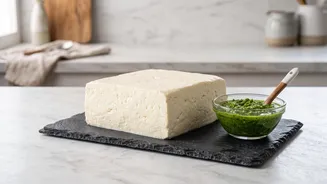
While regulators work on new rules, you can take steps to protect your family. There are several easy tests you can perform at home to check the quality of your paneer. First, the texture test. Real paneer is soft and crumbly. If it feels rubbery, overly hard, or doesn't break easily, it may be adulterated. Second, the iodine test for starch. Boil a small piece of paneer in water and let it cool. Add a few drops of iodine solution. If the paneer turns blue or black, it confirms the presence of starch. Pure paneer will not change colour. Finally, boil a small cube in water. If it releases water and disintegrates, it is likely fake. Real paneer will hold its shape and soften.
What Consumers Should Do Now
The FSSAI's proposal is currently a draft, with a 60-day period for public and stakeholder feedback before it becomes final law. While this regulatory change is a significant step forward, consumer vigilance remains the best defence. Whenever possible, buy paneer from trusted, certified brands or vendors. Be wary of unusually cheap or loose paneer, as it's more likely to be adulterated. Reading the ingredients list on packaged paneer is also crucial. If you suspect a product is adulterated, you have the right to report it to local food safety authorities. By staying informed and cautious, you can ensure the paneer on your family’s table is both delicious and safe.