



The Reality Behind the Hype
In recent years, turmeric and ginger have been praised for everything from curing diseases to providing instant immunity. The reality is more grounded. The power of these spices comes from active compounds: curcumin in turmeric and gingerol in ginger.
Both are known for their potent anti-inflammatory and antioxidant properties. Instead of viewing them as a silver bullet, it's more accurate to see them as valuable components of a balanced, plant-rich diet, a role they have played in Indian cuisine for centuries. Their benefits are best realised through regular, culinary use rather than chasing unproven claims with high-dose supplements.
Practical Ways to Use Turmeric (Haldi)
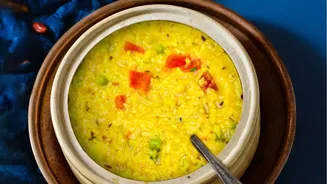
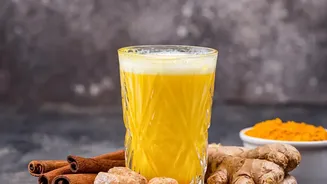
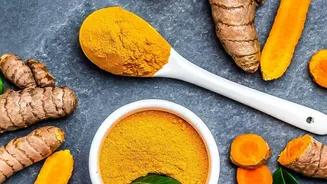
Turmeric is a foundational spice in Indian cooking, known for its earthy flavour and vibrant colour. Its key compound, curcumin, is notoriously difficult for the body to absorb. To get the most out of it, always pair it with a pinch of black pepper; the piperine in pepper can boost absorption by up to 2,000%. Since curcumin is also fat-soluble, cooking it with healthy fats like ghee or oil improves its bioavailability. Simple ways to include it daily include adding half a teaspoon to dals, sabzis, and rice while cooking. A comforting glass of Haldi Doodh, or 'Golden Milk,' made by warming milk with turmeric, a pinch of pepper, and other spices like cinnamon, is a traditional and effective way to consume it. You can also make a simple tea by simmering turmeric powder or fresh root in water.
Getting Creative with Ginger (Adrak)
Ginger offers a pungent, warming spice that works in both sweet and savoury dishes. Its main active compound, gingerol, is celebrated for its ability to aid digestion and soothe nausea. One of the simplest ways to use it is to start your day with a cup of hot water infused with freshly grated ginger and a squeeze of lemon. Finely minced or grated fresh ginger is an essential part of the base for most Indian curries, stir-fries, and marinades, adding a layer of aromatic heat. Don't discard the fibrous pulp after squeezing out the juice; it can be added to soups or dough for an extra kick of flavour. Dried ginger powder has a different, more pungent flavour and is excellent for spice rubs, baked goods, or making a quick tea.
A Powerful Combination
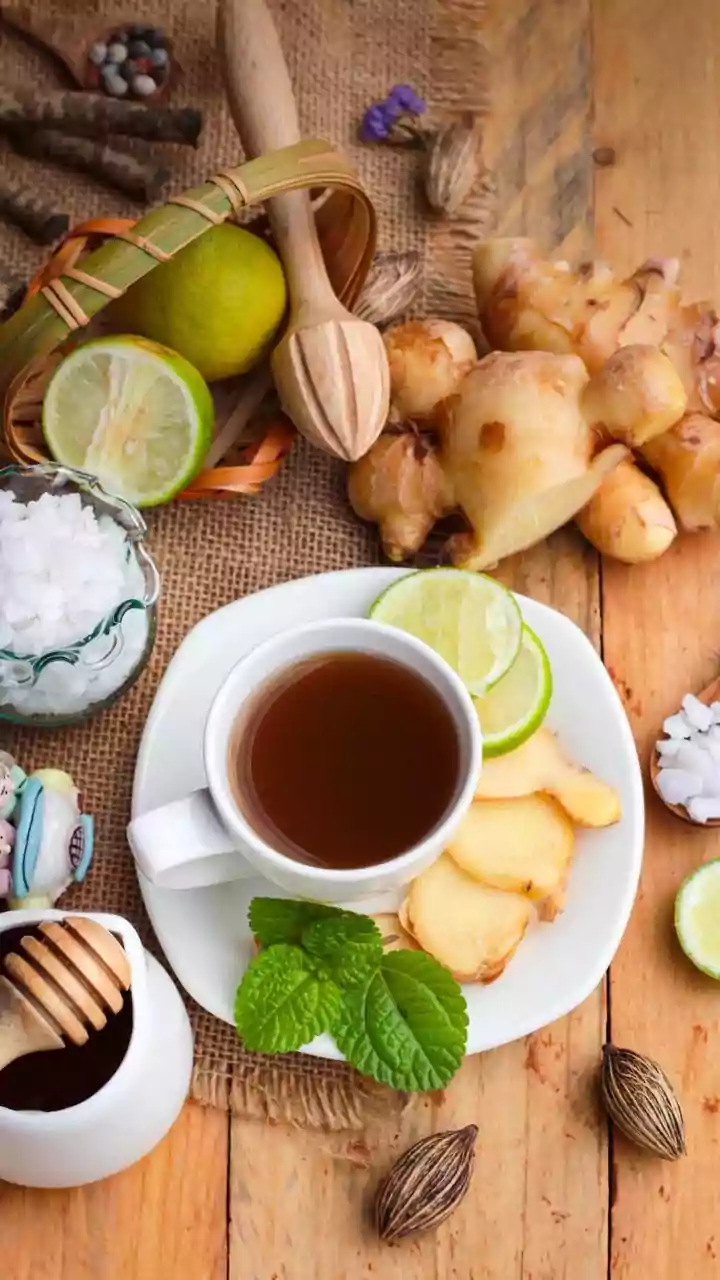
Turmeric and ginger are often used together in traditional medicine and cooking, and for good reason. Their anti-inflammatory properties can work synergistically, meaning their combined effect may be greater than when used alone. This dynamic duo works beautifully in a soothing tea, perfect for a sore throat or general wellness. Simply simmer grated fresh ginger and turmeric (or their powdered forms) in water for about 10 minutes, then strain and add honey and lemon to taste. You can also add both to your morning smoothie, blend them into soups, or create flavourful salad dressings. Making a simple paste of fresh ginger and turmeric with a little coconut oil and freezing it in small pods can give you a convenient flavour base for future meals.
A Note on Moderation and Safety
While culinary amounts of turmeric and ginger are safe for most people, more is not always better. High-dose supplements can cause digestive issues like stomach upset and may interact with certain medications, including blood thinners and diabetes drugs. There have also been rare reports of liver issues linked to high-dose turmeric supplements. Enjoying these spices in your food is the safest and most time-tested approach. Their role is to be a consistent part of your diet, not a temporary, high-dose fix. A daily intake of 1-2 teaspoons of turmeric powder and a similar amount of ginger is a reasonable and beneficial goal for most individuals.