



More Than Just Water
The high-altitude lakes of Northeast India are not just picturesque destinations; they are critical ecosystems and sacred sites deeply woven into the fabric of local communities. For centuries, these water bodies have been revered, with many considered
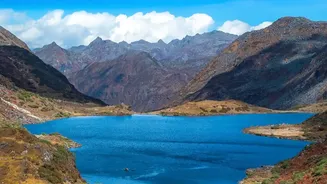
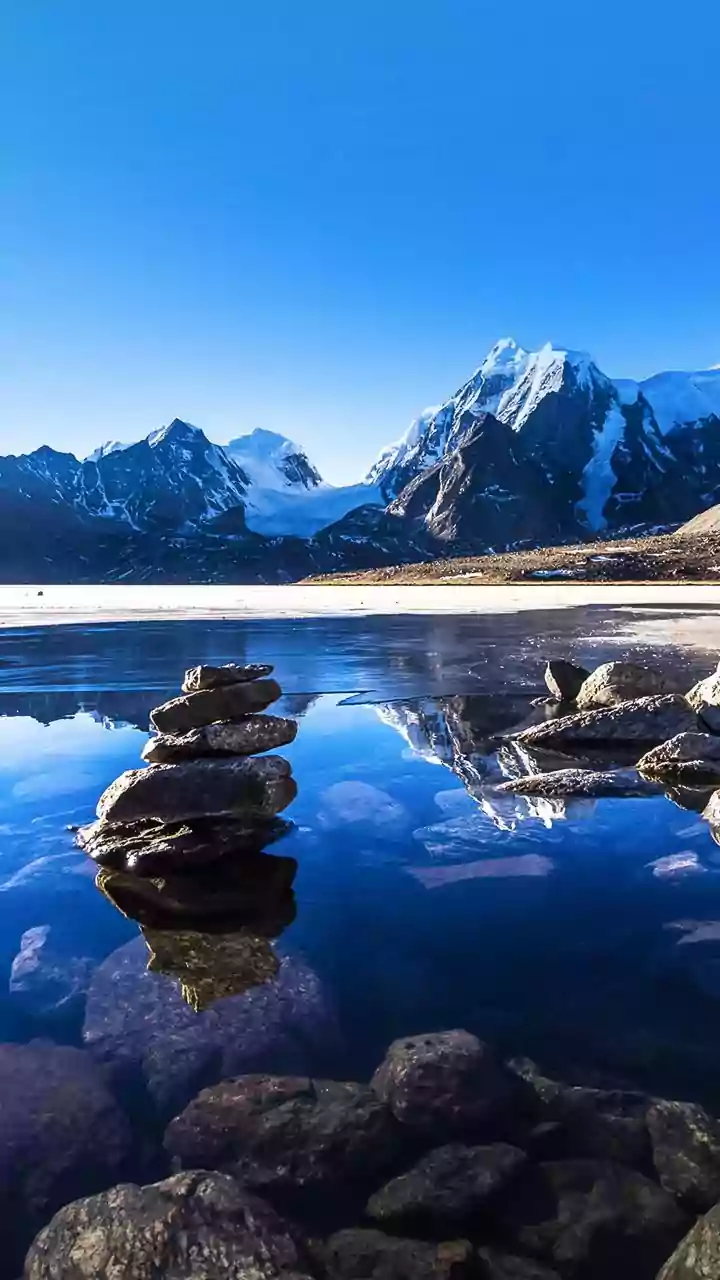
the abode of deities or the subject of origin stories passed down through generations. For example, Gurudongmar Lake in North Sikkim is held sacred by Buddhists, Sikhs, and Hindus, with a legend stating that Guru Padmasambhava blessed a portion of it to never freeze, providing a water source in harsh winters. This cultural reverence is the oldest form of conservation, a traditional wisdom that modern rules now aim to support. Ecologically, these lakes are fragile hotspots of biodiversity, supporting rare flora and fauna, and acting as vital stopovers for migratory birds. This dual role as both cultural and natural treasures is why visiting them comes with a unique set of responsibilities.
The Tsomgo Lake Turnaround
Sikkim's Tsomgo Lake, also known as Changu, is a prime example of successful community-led conservation. Located at over 12,000 feet, its popularity once led to rampant pollution that threatened its very existence. By 2006, the area was choked with waste left by an influx of visitors. In response, the Sikkim government, alongside local communities from villages like Changu and Thegu, formed the Tsomgo Pokhri Sanrakshan Samiti (TPSS). This committee implemented a series of transformative rules. Shops were relocated away from the shoreline, a structured waste management system was put in place with daily collections, and a nominal conservation fee of Rs 10-20 was introduced for tourists to fund these efforts. The success of the TPSS demonstrates that conservation is not about excluding people, but about making everyone—from villagers and shopkeepers to drivers and tourists—accountable for preserving the environment.
Loktak Lake's Legal Protections
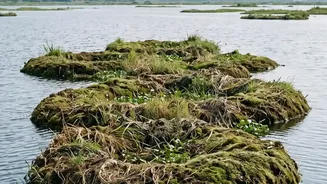
In Manipur, Loktak Lake, famous for its floating islands or 'phumdis', faces different challenges, including pollution, encroachment, and threats to its unique ecosystem. As a designated Ramsar site of international importance, its protection is critical. To safeguard this vital water body, the Manipur government enacted the Loktak Lake (Protection) Act in 2006. This legislation empowers the Loktak Development Authority to manage and conserve the lake, prohibiting activities like selling or leasing parts of the lake and regulating development. In early 2025, the government further tightened these rules, requiring prior approvals for any activities around the lake and setting deadlines to finalize its boundaries to prevent encroachment. These legal frameworks are essential for managing development pressures from projects like inland waterways and ecotourism to ensure they do not compromise the lake's delicate ecological balance.
A Guide for the Responsible Traveller
Respecting these beautiful spaces is straightforward. The core principle is to leave no trace. This means carrying all your waste back with you or using designated bins where available. Many sacred lakes in Sikkim and Arunachal Pradesh, such as Gonkhar La, explicitly prohibit bathing, swimming, or washing, as well as throwing offerings into the water. Using soaps or chemicals near these water bodies is also forbidden to prevent pollution. It is also crucial to be aware of permit requirements. States like Arunachal Pradesh, Nagaland, Mizoram, and Manipur require an Inner Line Permit (ILP) for Indian citizens, while certain areas in Sikkim, like Tsomgo and Gurudongmar lakes, require a Protected Area Permit (PAP) arranged by a registered tour operator. Foreign nationals face stricter rules and are often barred from sites near international borders, like Gurudongmar Lake. Always check the latest regulations before you travel, as they can change.