





How Bad Is It Right Now?
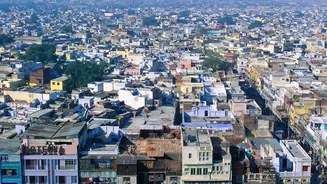
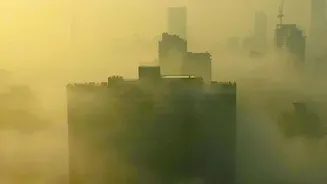
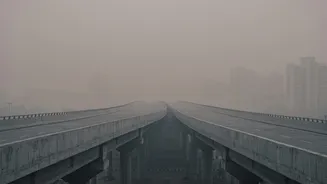
The first week of October has been the most polluted for Delhi in three years, with the average Air Quality Index (AQI) settling at 171. While the overall average remains in the 'moderate' category, numerous monitoring stations across the capital and
its satellite cities like Noida and Gurugram have consistently recorded 'poor' and even 'very poor' air. On some days, areas like Mundka and Narela have seen the AQI climb past 270. This is a significant deterioration from the cleaner air experienced after the monsoon and marks the worst air quality recorded in nearly three months.
An Unwelcome Early Arrival
Typically, Delhi's air quality begins its sharp decline in late October, but this year the shift has been noticeable from the start of the month. The primary reason is a change in weather patterns. Following the withdrawal of the monsoon, wind speeds have dropped significantly. This, combined with falling temperatures, creates a condition known as thermal inversion, where a layer of warm air traps cooler, pollutant-laden air close to the ground, preventing its dispersal. Without rain to wash the atmosphere, pollutants from various sources are accumulating rapidly.
The Perennial Problem of Stubble Burning
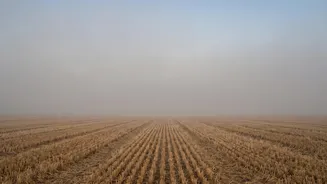
While local factors are the immediate cause, the seasonal threat of stubble burning looms large. Farmers in neighbouring states, particularly Punjab, Haryana, and now increasingly Madhya Pradesh, burn paddy crop residue to clear their fields for the next crop cycle. Satellite data has already detected hundreds of farm fire incidents across these states since mid-September. Though fire counts in Punjab are currently lower than in previous years, incidents in Madhya Pradesh are on the rise. As north-westerly winds strengthen, they will carry this smoke directly towards the landlocked NCR, drastically worsening the pollution. During its peak, stubble burning can contribute up to 45% of Delhi's particulate pollution.
Delhi's Own Pollution Cocktail
Farm fires are a major aggravator, but the NCR generates a significant amount of its own pollution year-round. The main local culprits are vehicular emissions, dust from construction activities, and industrial pollution. With millions of vehicles on the road, traffic is a constant source of PM2.5, the tiny, harmful particles that can penetrate deep into the lungs. The Commission for Air Quality Management (CAQM) recently flagged multiple violations related to construction and road dust along key arterial roads, highlighting the ongoing challenge of controlling local sources.
The Graded Response Action Plan (GRAP)
To combat the annual crisis, authorities implement the Graded Response Action Plan (GRAP), a set of emergency measures that escalate with worsening air quality. For 2026, the CAQM has revised the plan, making it stricter. Several restrictions, such as those on the use of diesel generator sets and the entry of non-compliant buses from other states, have been moved from Stage II to Stage I, meaning they kick in earlier. Stage I is activated when the AQI is in the 'poor' category (201-300). Further stages bring more stringent measures, like a ban on certain vehicles and construction activities. The goal is to act pre-emptively based on forecasts to prevent the AQI from reaching 'severe' levels.
Protecting Yourself and Your Family
As pollution levels rise, taking personal precautions becomes crucial. The health impacts of poor air quality range from coughing and eye irritation to an increased risk of respiratory infections, heart disease, and lung cancer. Children, the elderly, and individuals with pre-existing respiratory or heart conditions are the most vulnerable. Experts advise limiting outdoor activities, especially during the early morning and evening when pollution levels are often highest. When going outside is unavoidable, using a well-fitted N95 or FFP2 mask is recommended to filter out fine particulate matter. At home, using air purifiers with HEPA filters can help maintain cleaner indoor air. Staying hydrated and eating a diet rich in antioxidants can also help the body cope with the oxidative stress caused by pollutants.