




What Exactly Are Ultra-Processed Foods?
Before we dive into the risks, it's important to understand what 'ultra-processed' really means. It's not just about food in a package. Using the widely accepted NOVA classification, foods are grouped by their level of processing. Group 1 is unprocessed
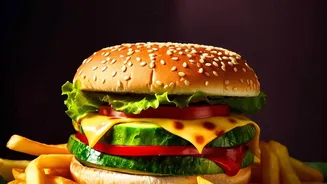
foods like fresh fruits, vegetables, dal, and rice. Group 2 is culinary ingredients like oils and spices. Group 3 is processed foods, like canned vegetables or freshly made bread. The concern lies with Group 4: ultra-processed foods (UPFs). These are industrial formulations made from substances extracted from foods, often with numerous additives like colours, flavours, and emulsifiers you wouldn't find in a home kitchen. Think beyond the obvious junk food; in the Indian context, this includes many common items like biscuits, instant noodles, packaged namkeens, breakfast cereals, sugary drinks, and even some ready-to-eat curries.
The Strengthened Link to Heart Disease
Recent studies have added powerful weight to the connection between UPFs and cardiovascular disease (CVD). A large-scale analysis published in early 2026 found that people consuming over nine servings of UPFs daily had a significantly higher likelihood of suffering a major cardiac event, like a heart attack or stroke, compared to those who ate very few. Other research reinforces this, showing that for every 10% increase in UPFs in a person's diet, the risk of cardiovascular disease rises by as much as 12%. Another meta-analysis found every additional 100 grams of UPF consumed per day was associated with a 14% higher risk of cardiovascular events. These findings are consistent across multiple studies, suggesting this isn't a coincidence but a pattern.
Why Are These Foods So Harmful?
The problem with UPFs goes beyond just high sugar, salt, and fat content. These products are engineered to be 'hyper-palatable', meaning their taste and texture can override our natural fullness signals, encouraging overconsumption. Furthermore, the industrial processes they undergo strip out beneficial nutrients like fibre and vitamins while introducing additives that may disrupt our gut health and increase inflammation, both of which are linked to heart disease. The displacement effect is also a major factor; when we fill up on nutrient-poor UPFs, we have less room for wholesome, heart-protective foods like fresh vegetables, fruits, and whole grains.
The Indian Health Landscape
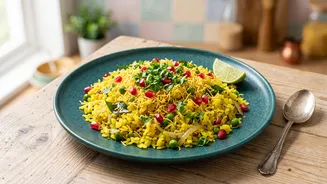
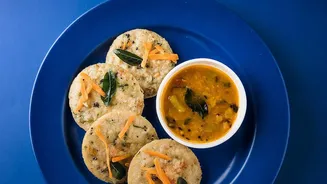
This global issue has a specific and urgent relevance for India. The country is facing a dual burden of rising obesity and diabetes, both major risk factors for heart disease. Simultaneously, the consumption of UPFs has skyrocketed, with sales increasing dramatically over the last two decades. Busy lifestyles, convenience, and aggressive marketing have pushed these products into every corner of the country, replacing traditional, freshly prepared meals. Even seemingly traditional foods like instant poha or packaged dhokla mixes can qualify as ultra-processed, making it harder for consumers to make informed choices.
Practical Steps Toward a Healthier Diet
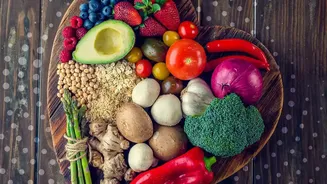
Cutting back on UPFs doesn't mean you have to eat a boring diet. The goal is to shift the balance back toward whole or minimally processed foods. Start by reading ingredient lists; if it's long and full of unfamiliar chemical names, it's likely a UPF. Prioritise home-cooked meals using fresh ingredients. Swap out packaged snacks for healthier alternatives like fruit, nuts, seeds, or roasted chana. Instead of sugary drinks or packaged juices, opt for water, buttermilk (chaas), or fresh lemonade (nimbu pani). Re-embracing traditional Indian food patterns—which are naturally rich in dals, vegetables, and whole grains—is a powerful strategy. A small change, like swapping your evening biscuits for a handful of nuts, can make a significant difference over time.