






The Golden Rule: Hours of Sunlight
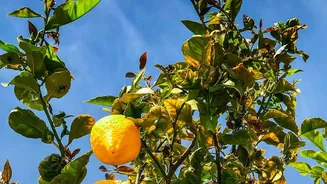
Lemon trees are sun-lovers. To fuel their growth and, most importantly, produce fruit, they require a substantial amount of direct sunlight. The general rule is that a lemon plant needs a minimum of six to eight hours of direct, bright sun every day.
While they can survive on less, falling below this threshold will likely result in a plant that has leaves but produces few to no flowers or fruit. For optimal health and a bountiful harvest, aiming for eight hours or more is ideal.
Best Placement Outdoors
If you have a garden, patio, or an open terrace, you have excellent options for placing your lemon plant. The ideal spot is one that receives plenty of morning and early afternoon sun. An east-facing location is often perfect in the Indian climate, as it provides the bright light the plant craves without the scorching intensity of the late afternoon sun. While established trees are heat-tolerant, the harsh western sun can sometimes cause stress or leaf burn, especially for younger plants. If your sunniest spot faces west, consider providing some light shade during the peak heat of the day, especially during intense summer months.
Thriving in Balconies and Indoors
For those living in apartments, a balcony or a sunny window can be a perfect home for a potted lemon tree. The best indoor location is typically an unobstructed, south-facing window, as this provides the most consistent and prolonged sunlight throughout the day. A west-facing window is a second-best option. Be sure to place the plant as close to the glass as possible to maximize light absorption. Remember to rotate the pot every couple of weeks to ensure all sides of the plant get an even amount of light, promoting balanced growth.
Signs of Too Little Sunlight
Your lemon plant will give you clear signals if it's not getting enough light. The most obvious sign is a lack of flowers and fruit. You might also notice 'leggy' growth, where stems become long and stretched out with sparse leaves as the plant reaches for a light source. Other symptoms include leaves turning yellow and dropping, stunted growth, and an overall unhealthy appearance. If you see these signs, it's time to move your plant to a sunnier location.
Can a Lemon Plant Get Too Much Sun?
Yes, especially young trees or those suddenly moved into intense, direct sun. The primary sign of too much sun is sunburn or 'sunscald' on the leaves, which appears as yellow, white, or brown patches. The leaves might also curl, and the plant may look wilted during the hottest part of the day. In severe cases, the fruit and even the bark can be damaged. In the strong Indian sun, particularly during peak summer, it is wise to protect young plants from the harshest afternoon rays between 1 PM and 4 PM.
A Note on Vastu and Placement
For those who follow Vastu Shastra, the placement of a lemon tree can hold significance. It is considered an auspicious plant that can help remove negative energy. Many Vastu experts suggest that placing a lemon tree in the east or north direction of the garden or home is ideal for attracting positive energy, health, and prosperity. Some sources advise against placing it in the south or west, though others suggest west is also acceptable.