



In the vast and varied landscape of Indian cuisine, few ingredients are as humble yet versatile as moong dal. This split mung bean is a kitchen staple, but beyond the comforting bowl of dal, it transforms into an array of delightful dishes.
The Golden Foundation: Understanding Moong Dal
Before we can
appreciate the tikki, we must first understand its source: the moong bean. Known as green gram when whole, it becomes moong dal when split and husked, revealing a sunny yellow interior. Esteemed in Ayurveda for being one of the easiest lentils to digest, it's a food of comfort, nourishment, and incredible adaptability. Its mild, slightly sweet flavour makes it a perfect canvas for the vibrant spices of Indian cooking. This quality allows it to be the star in everything from the soupy dal tadka and wholesome khichdi to savoury pancakes and even sweets.
Enter the Tikki: A Crispy, Savoury Delight
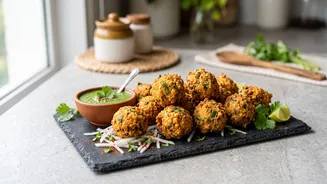
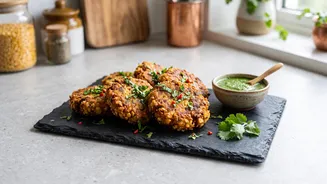
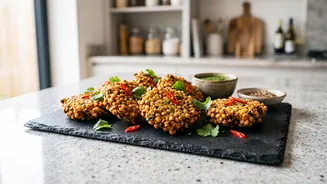
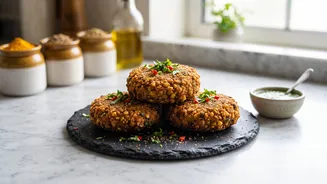
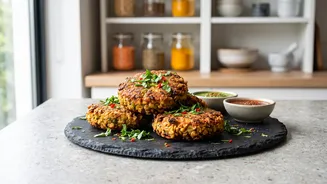
Among the many creations, the moong dal tikki stands out as a beloved snack. Unlike the more common aloo (potato) tikki, this version uses a coarse paste of soaked moong dal as its base. This simple swap results in a patty that is wonderfully crispy and golden on the outside, with a surprisingly soft and flavourful interior. It’s a high-protein, fibre-rich alternative that doesn’t compromise on taste. The fundamental process involves soaking the dal, grinding it coarsely, mixing it with spices, shaping it into patties, and then shallow-frying them to perfection.
The Symphony of Spices and Aromatics
The true magic of the moong dal tikki lies in its blend of aromatic spices and fresh herbs. A classic preparation will almost always feature finely chopped ginger, green chillies, and fresh coriander leaves, which form the flavour backbone. From there, a host of powdered spices join the mix. Cumin powder adds an earthy warmth, coriander powder provides a mild citrusy note, and a pinch of turmeric lends its golden hue and subtle flavour. For a tangy kick, aamchur (dry mango powder) or a squeeze of fresh lemon juice is essential, while chaat masala sprinkled on top before serving adds that final, irresistible layer of savoury zest.
Variations on a Classic Theme
The beauty of moong dal tikki is its versatility. The base recipe is a canvas for culinary creativity. For added texture and nutrition, finely chopped vegetables like onions, carrots, and green peas can be mixed into the dal paste. Some recipes introduce grated paneer for a richer, creamier texture and a boost of protein. For a healthier binding agent, some cooks use oats flour or mashed poha (flattened rice) instead of more traditional options. There are even variations that use whole sprouted moong, which are boiled and mashed to create a uniquely textured and nutrient-dense tikki. These patties can be served simply with mint chutney and tamarind chutney or transformed into a decadent chaat, topped with yoghurt, spices, and sev.
A Family of Flavours: Moong Dal's Many Forms
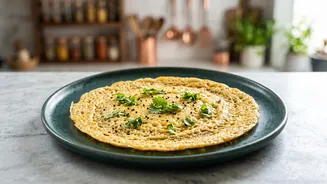
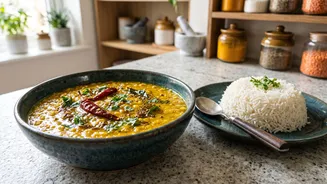
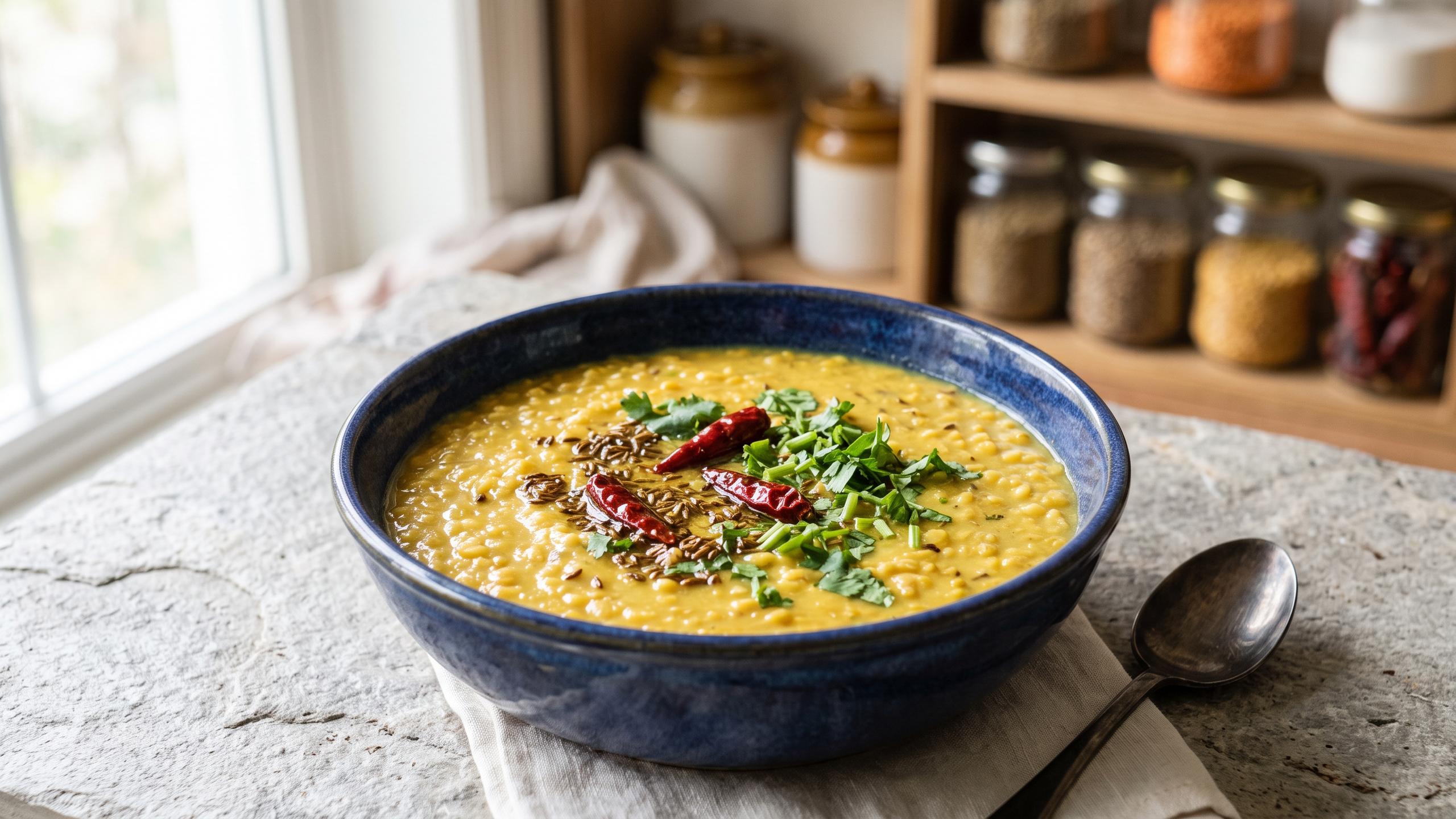
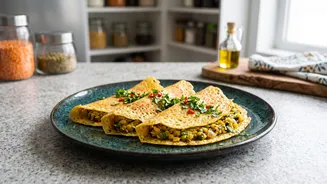
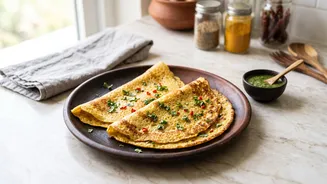
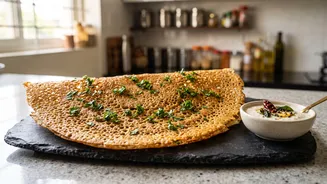
The tikki is just one member of the extensive moong dal family. Its closest cousin is the moong dal cheela, a savoury pancake also made from a ground dal batter. While the tikki is thick and fried, the cheela is a thin, crepe-like creation cooked on a griddle, often enjoyed for breakfast. Beyond snacks, moong dal is the foundation of the iconic dal tadka, a simple lentil stew elevated by a tempering of ghee, cumin, garlic, and chillies. It’s also the key component in khichdi, India’s ultimate comfort food, where it’s cooked with rice into a soft, nourishing porridge. From the crispy tikki to the comforting dal, moong truly is a lentil for all occasions.