


From Last Outpost to First Welcome
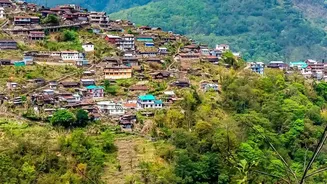
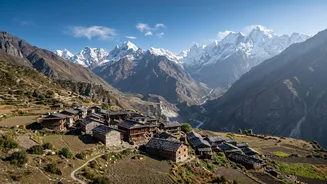
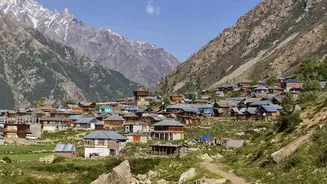
For generations, Mana village in Uttarakhand's Chamoli district carried the tag of being the 'last Indian village'. Situated just a few kilometres from the Badrinath shrine and about 24 km from the border with China, it was seen as the final inhabited
point on the map. This perception officially changed following a visit by Prime Minister Narendra Modi in October 2022. He declared that border villages are not the country's last outposts but its first, signifying their importance to national identity and security. By April 2023, the Border Roads Organisation (BRO) had installed a new signboard at the village entrance, proudly proclaiming Mana as the 'First Indian Village', formalising a powerful shift in narrative and focus.
More Than Just a Name Change
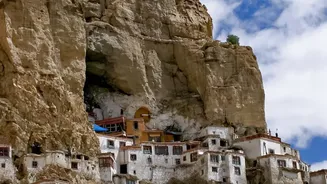
The rebranding of Mana is the most visible part of a much larger initiative: the Vibrant Villages Programme. Launched by the central government, this scheme aims to stop out-migration and comprehensively develop border habitations across states like Uttarakhand, Himachal Pradesh, and Arunachal Pradesh. For Mana, this means a concerted push for improved infrastructure, including better road connectivity, reliable electricity, and telecommunications. The programme is designed to improve the quality of life for residents and harness tourism potential by promoting local culture and heritage. The goal is to transform these remote areas into self-reliant and thriving communities, making them active participants in the country's growth rather than passive, forgotten frontiers.
A Land Steeped in Myth and Legend
Mana's significance stretches back to antiquity, deeply woven into the fabric of Hindu mythology. It is believed to be a crucial site in the epic Mahabharata. Legend holds that this is where Maharishi Ved Vyas dictated the epic poem to Lord Ganesha, who transcribed it in a nearby cave; both Vyas Gufa and Ganesh Gufa are major pilgrimage spots today. It is also said that the Pandavas passed through Mana on their final journey to heaven (the Swargarohini). A massive, natural stone bridge known as Bheem Pul is believed to have been placed across the roaring Saraswati River by the mighty Bheema for his wife Draupadi to cross. These stories give the village a profound spiritual aura, making it a sacred destination for pilgrims and history enthusiasts alike.
The Latest Picture: A Tourism Boom
The 'first village' designation has ignited a surge in tourism, fundamentally altering the local economy. Where tourist traffic was once modest, there is now a significant spike, with many pilgrims visiting Badrinath making it a point to travel the extra few kilometres to Mana. This has created a wave of new employment opportunities. Locals have converted homes into homestays and opened shops, with women earning by selling handmade woollen clothes. The village, once quiet, now bustles with commercial activity. While this economic boost is welcomed, it also brings challenges. Recent reports have highlighted concerns about pollution and waste management as visitor numbers grow, raising important questions about the need for sustainable and responsible tourism to protect the fragile Himalayan ecosystem and the sanctity of the Saraswati River.
The Road Ahead: Balancing Progress and Preservation
The transformation of Mana into the 'First Indian Village' presents a model for border development, but its long-term success hinges on a delicate balance. The government's plans include not just infrastructure but also promoting local crafts and culture to create a sustainable tourism model. For the Bhotiya community, the traditional inhabitants of Mana who practice seasonal migration to escape the harsh winters, this new era offers both promise and peril. The challenge will be to manage the influx of tourists without overwhelming the village's resources or diluting its unique cultural identity. As Mana charts its future, it serves as a crucial case study in how to integrate remote communities into the national story while preserving the very heritage that makes them special. The focus now must be on ensuring that development is thoughtful, inclusive, and respects the ancient spirit of the land.