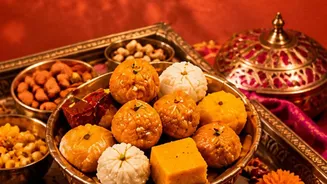





The joyous lights of Diwali have dimmed, but the effects of festive indulgence may linger. Feeling bloated or sluggish is common, but getting back on track doesn't require extreme 'detoxes'. It's about gently returning to balance.
Understanding the Post-Festive Slump
After days of feasting
on sweets, fried snacks, and rich meals, it's normal for your body to feel off-kilter. This sudden shift to foods high in sugar, salt, and fat, combined with late nights and altered schedules, can disrupt your digestive system and leave you feeling tired and heavy. It's not just about the extra calories; this style of eating can lead to bloating, indigestion, and a general lack of energy. Recognising this is the first step toward recovery, which should be about supporting your body’s natural processes, not punishing it for celebrating.
Hydration: The Heart of Recovery
The simplest yet most powerful step towards feeling better is focusing on hydration. According to cardiologists, staying well-hydrated is crucial for heart health because it helps the heart pump blood more easily through the body. When you are dehydrated, your blood volume can decrease, forcing your heart to work harder. After consuming salty snacks and sugary sweets, water helps your body flush out excess sodium and supports your kidneys. Aim to sip water consistently throughout the day rather than drinking large amounts at once. If plain water feels boring, try infusing it with lemon or cucumber slices, or opt for unsweetened herbal teas like ginger or mint to aid digestion.
Rebalance Your Plate, Don't Skip Meals
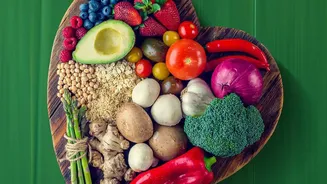
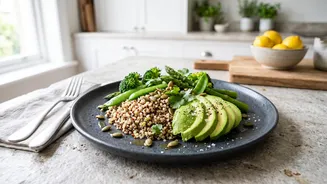
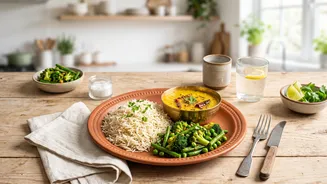
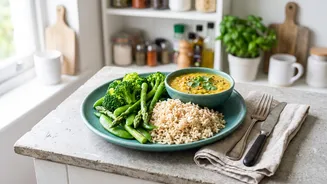
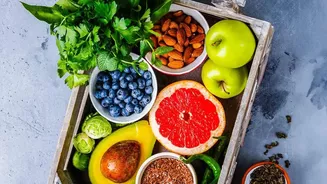
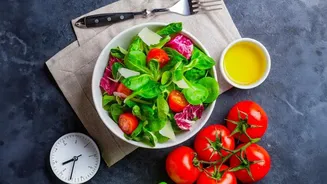
The temptation to skip meals to 'compensate' for overeating is a common mistake. This often backfires, leading to extreme hunger and another round of overindulgence. A better approach is to return to a regular meal schedule and focus on balanced, lighter foods. Reintroduce fibre-rich options like seasonal vegetables, fruits, and whole grains such as oats or dalia. These foods aid digestion and help restore balance. A simple home-cooked meal of dal, sabzi, and roti or a bowl of khichdi can be incredibly restorative for a digestive system that has been working overtime.
Make Room for Protein
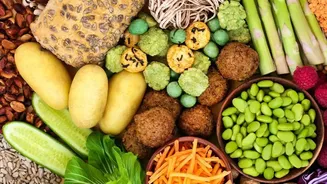
Festive diets are often heavy on carbohydrates and fats, with protein taking a backseat. Bringing protein back to the forefront is essential for feeling satisfied and balancing your meals. Good sources include dal, chickpeas, paneer, eggs, and yogurt. A protein-rich snack, like a handful of nuts or a bowl of curd, can also help manage post-Diwali cravings for leftover sweets and snacks. Protein gives you sustainable energy and helps you avoid the sharp energy crashes associated with high-sugar foods.
Gentle Movement and Rest Are Key
You don't need to engage in intense workouts to feel better. Gentle movement is highly effective. A short 20–30 minute walk after meals can significantly aid digestion, reduce bloating, and help regulate blood sugar levels. Staying upright after eating also helps prevent issues like acid reflux. Just as important is getting back to a regular sleep schedule. The late nights of Diwali can disrupt your body's internal clock. Aiming for 7–9 hours of quality sleep helps your body repair and reset, boosting your energy levels for the day ahead.