

The Vegetable Foundation
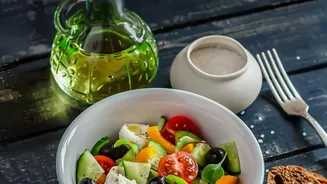
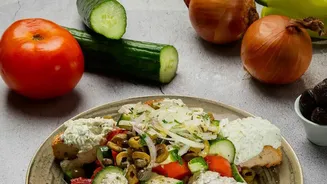
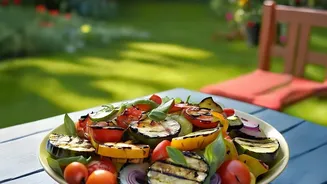
The heart of Mediterranean cooking is an abundance of fresh vegetables. Think of produce not as a side dish, but as the main event. Kitchens in Greece, Italy, and Spain are guided by the seasons, so the focus is on what’s fresh, local, and flavourful.
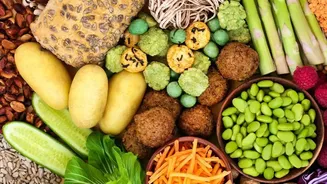
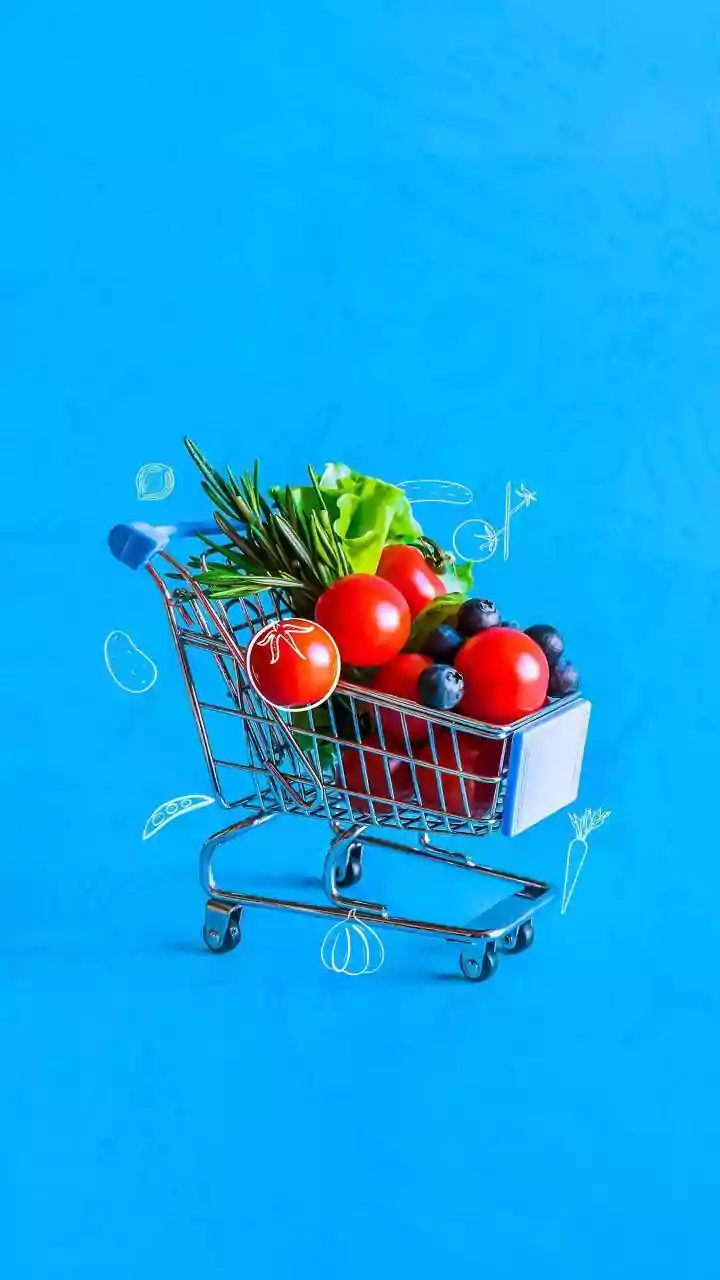
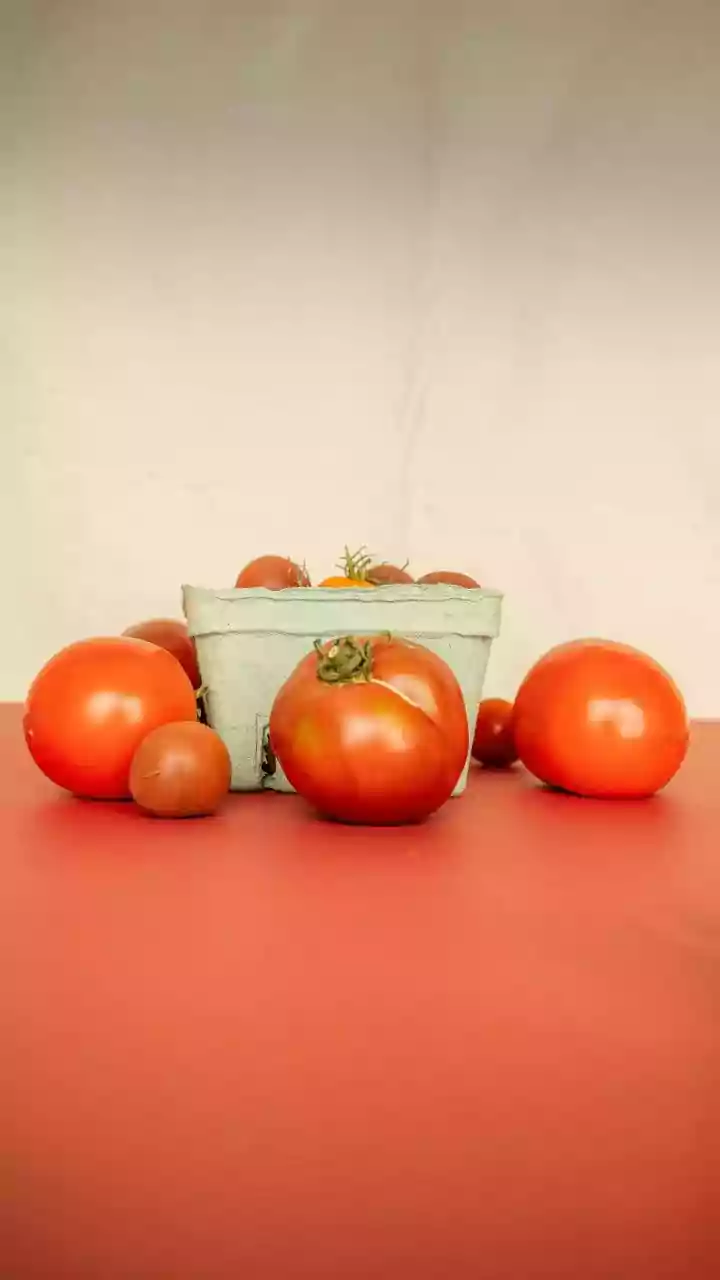
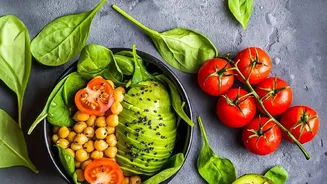
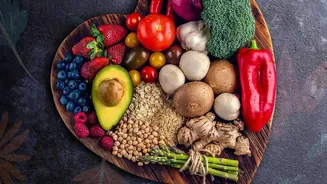
Your shopping basket should be colourful: deep green leafy vegetables like spinach and kale, vibrant red tomatoes and bell peppers, and rich purple eggplants. Onions and garlic are essential aromatics that form the base of countless recipes, providing a depth of flavour that defines the cuisine. Don’t forget zucchini, cucumbers, and beets. The goal is variety and volume. Aim to include vegetables in almost every meal, whether they're roasted, grilled, stewed, or enjoyed raw in a crisp salad. This approach ensures your diet is packed with vitamins, minerals, and fibre.
The Power of Pulses
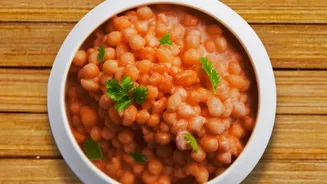
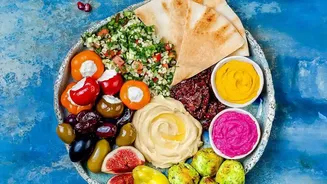
Pulses—the edible seeds of legume plants—are the humble, protein-rich backbone of the Mediterranean diet. This category includes lentils, chickpeas, and a wide variety of dried beans like cannellini and fava beans. Historically, pulses were a staple because they were affordable, shelf-stable, and provided a substantial source of protein during periods when meat was scarce or expensive. Today, they are prized for their versatility and nutritional powerhouse status, packed with protein, fibre, and essential nutrients that help control blood sugar and promote gut health. In Mediterranean kitchens, pulses are often the star of the show in hearty soups, slow-cooked stews like Greek 'fasolada', and smooth purées such as hummus or 'fava'. Keeping a variety of dried or canned pulses in your pantry is a simple way to create satisfying and authentically Mediterranean meals.
Wholesome Whole Grains
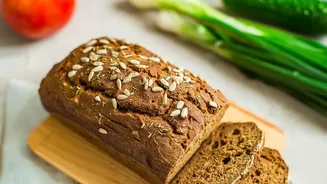
Whole grains are another cornerstone, eaten at most meals to provide sustained energy. Unlike refined grains where the nutritious bran and germ are removed, whole grains keep all parts of the kernel, delivering more fibre, vitamins, and minerals. The Mediterranean diet celebrates a wide array of these grains. Barley is baked into hard, crunchy rusks in Greece, perfect for salads like 'dakos'. Bulgur wheat is the key ingredient in tabbouleh, while farro and spelt add a nutty chewiness to salads and soups. Whole-wheat bread is used to soak up sauces and olive oil, and other grains like oats and brown rice are also common. When shopping, look for bread labelled "100% whole grain" and stock up on grains in their least-processed form, such as steel-cut oats over instant varieties.
The Flavourful Finishers
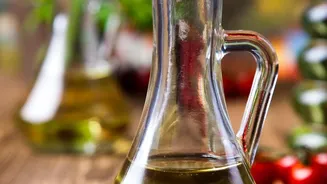
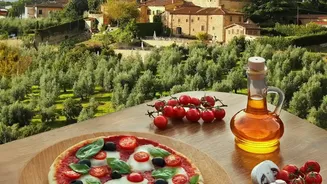
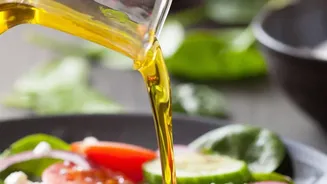
While vegetables, pulses, and grains form the base, the diet’s signature flavour comes from a few key ingredients. Extra virgin olive oil is indispensable, used generously for cooking, dressing salads, and finishing dishes. It's the primary source of fat, prized for its health benefits and ability to enhance the natural flavours of food. Fresh and dried herbs like oregano, basil, rosemary, and parsley are used in abundance, adding aromatic complexity without relying on salt. A squeeze of lemon or other citrus often provides the bright, acidic note needed to balance a dish. Finally, nuts and seeds such as almonds, walnuts, and sunflower seeds are eaten as snacks or added to meals for texture and healthy fats.