



An Art of Patience and Physics
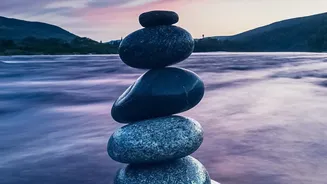
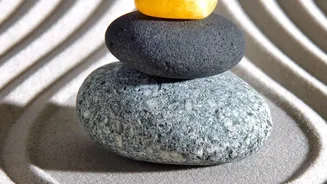
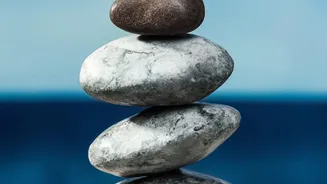
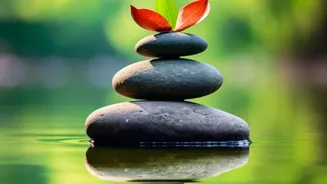
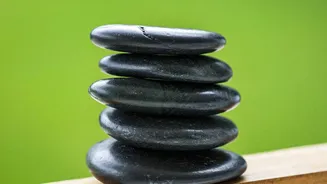
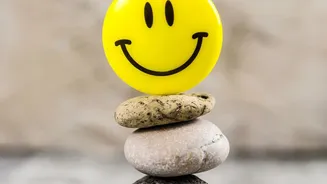
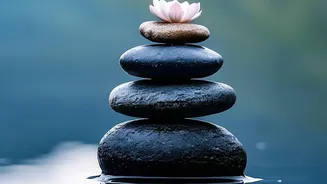
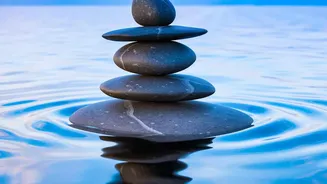
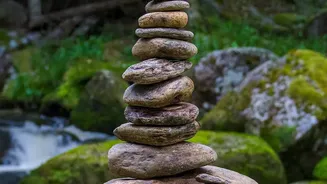
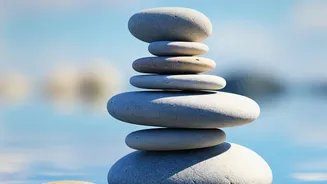
At its core, stone balancing is the practice of stacking rocks in improbable formations without using any adhesives or supports. It’s an act that is part art, part physics, and all patience. Practitioners don’t just place stones; they feel for the subtle
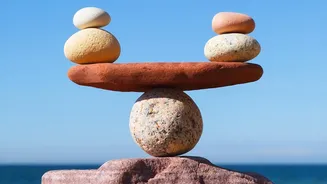
indentations and points of friction that create a stable connection. This process requires finding each rock’s unique centre of gravity and aligning it perfectly with the ones below. It’s a slow, deliberate dialogue with natural forces. Unlike many hobbies that demand expensive gear or specialised locations, stone balancing is accessible to nearly everyone. All it requires are stones and a willingness to slow down and concentrate. The goal isn't to conquer nature, but to collaborate with it, creating temporary sculptures that are as much about the process as they are about the final, seemingly magical result.
Training the Mind Through Touch
The primary benefits often attributed to stone balancing are enhanced focus and improved coordination. This isn't a far-fetched claim. The activity demands intense, single-minded concentration. To find the precise point where two stones will lock in a stable balance, your mind must filter out distractions and become fully present. Practitioners describe entering a meditative or 'flow' state, where the usual mental chatter fades away, replaced by a deep immersion in the task at hand. This state of heightened awareness and concentration isn't just a feeling; it’s a form of mental training. Studies on mindfulness and motor control show that even brief periods of focused, meditative activity can improve a person's ability to maintain specific coordination patterns and regulate movement. By repeatedly engaging the hands and eyes in such a delicate task, stone balancing serves as a practical exercise for strengthening the neural pathways responsible for fine motor skills and sustained attention.
The Refreshing Power of Modesty
Perhaps the most compelling aspect of stone balancing in the modern wellness landscape is the modesty of its claims. In an industry often filled with pseudoscience and promises of overnight transformation, stone balancing simply offers a way to become a little more focused and a little more coordinated. There are no detoxes, no bio-hacks, just a simple, tangible outcome derived from dedicated practice. This honesty is its strength. While some proponents speak of deeper spiritual healing, the core benefits remain grounded and achievable. It’s a direct challenge to the idea that self-improvement must be complex, expensive, or drastic. The trend towards simplified wellness reflects a growing desire for authentic, sustainable practices over fleeting fads. Stone balancing fits perfectly into this ethos, reminding us that meaningful change can come from small, consistent, and quiet actions.
Getting Started: A Practice of Presence
Beginning with stone balancing is as simple as the practice itself. Start by finding a place with a variety of stones, like a riverbank or a quiet corner of a park. Look for rocks with interesting shapes and textures. The key is to be patient and experimental. Begin with a larger, stable base stone and try to find a second rock that can stand on it. You’ll quickly learn that it’s less about brute force and more about sensitivity. You have to feel for the tiny vibrations and shifts in weight as you make micro-adjustments. The process is one of trial and error; collapses are not failures but learning opportunities. The true reward comes from the act of focusing so intently that the world around you seems to disappear, leaving only you, the stones, and the force of gravity holding everything in a delicate, temporary harmony.