


The Rhythmic Soul of the Harvest Festival
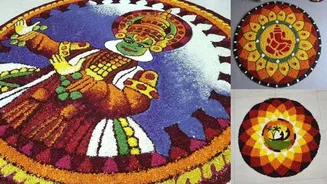
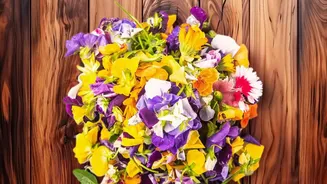
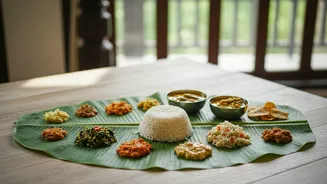
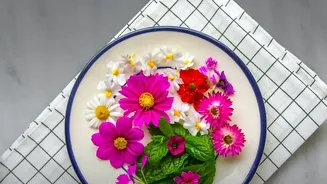
Onam, Kerala’s most significant festival, is a vibrant 10-day harvest celebration that marks the annual homecoming of the mythical King Mahabali. In 2026, the main festivities will culminate on Thiruvonam, which falls on August 26. While floral carpets
(pookalam) and the elaborate feast (sadya) are widely recognised symbols, the festival's deeper cultural pulse is felt through its performing arts. This year, Kerala Tourism is organising an Onam Tourism Week from August 24-30, with cultural events planned across the state, placing a special focus on these traditional performances. Among the myriad of cultural expressions, Kathakali, Mohiniyattam, and Thiruvathira stand out as pillars of the Onam experience, each telling a unique story of Kerala's history, mythology, and community spirit.
Kathakali: The Epic Story-Play
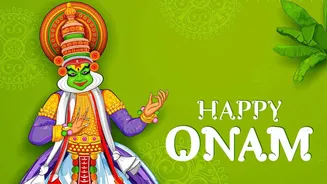
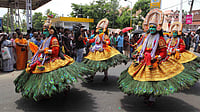
Kathakali is a powerful and dramatic dance-drama that is more than 300 years old. It is a stunning blend of dance, music, and acting, where performers tell stories from Hindu epics like the Ramayana and Mahabharata. What makes Kathakali unforgettable is its elaborate and symbolic makeup and costumes. The characters are not meant to look realistic but larger-than-life. The colour of the makeup signifies the nature of the character; 'Pacha' (green) is used for noble figures, while 'Kathi' (green with red streaks) denotes characters of high birth with an evil streak. Performers do not speak; instead, they use a complex language of facial expressions (navarasas) and hand gestures (mudras) to convey the narrative, making it a universally appreciated art form. During Onam, Kathakali performances are staged in temples and cultural venues, often running through the night, bringing ancient myths to life with mesmerising intensity.
Mohiniyattam: The Dance of the Enchantress
If Kathakali is defined by its dramatic vigour, Mohiniyattam is the embodiment of graceful, feminine charm. The name itself translates to 'dance of the enchantress,' referring to the celestial enchantress avatar of Lord Vishnu. This classical solo dance, performed by women, is characterised by its gentle, swaying movements and fluid expressions. The costume is iconic: a pristine white and gold-bordered Kasavu sari, with jasmine flowers adorning the dancer's hair. The dance style is known for its 'lasya' quality—soft, flowing, and lyrical. Mohiniyattam performances during Onam often narrate stories related to the festival or other mythological tales, adding an element of serene beauty and devotion to the celebrations. It is a visual representation of Kerala's gentle landscapes and cultural elegance.
Thiruvathira Kali: A Dance of Unity and Joy
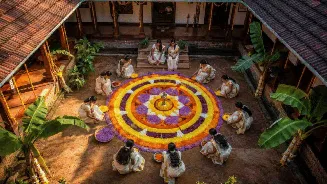
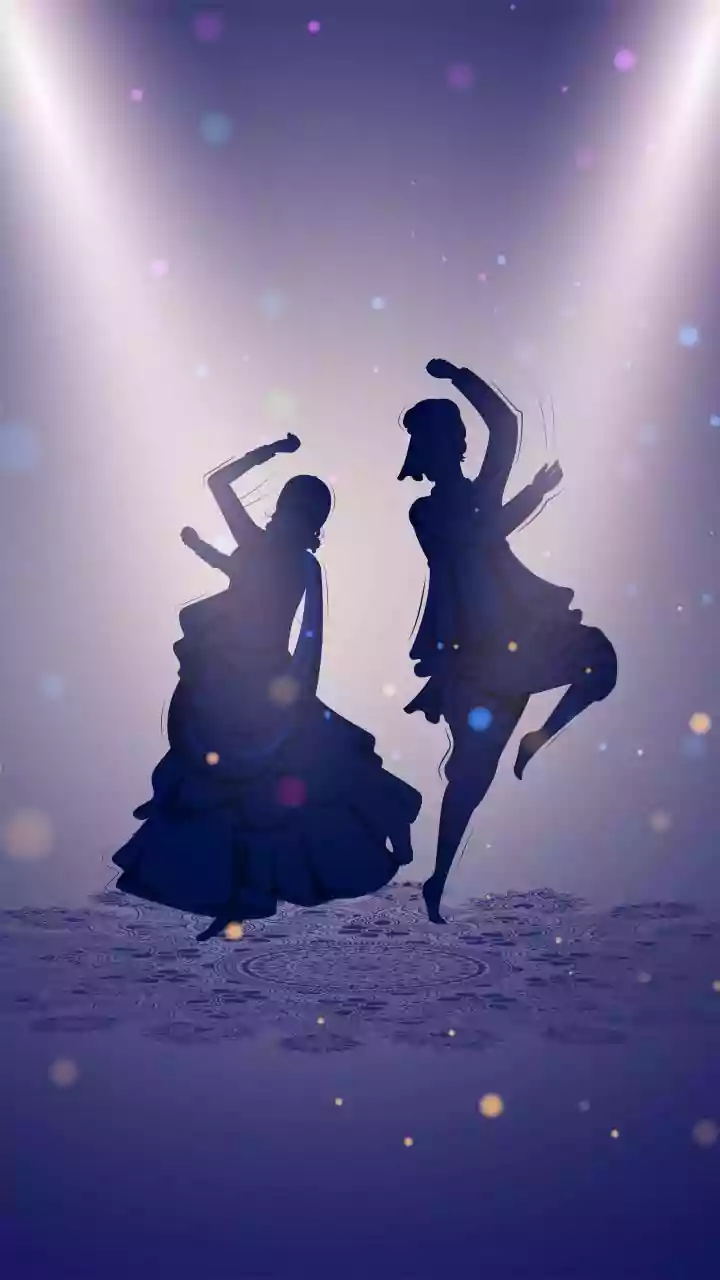
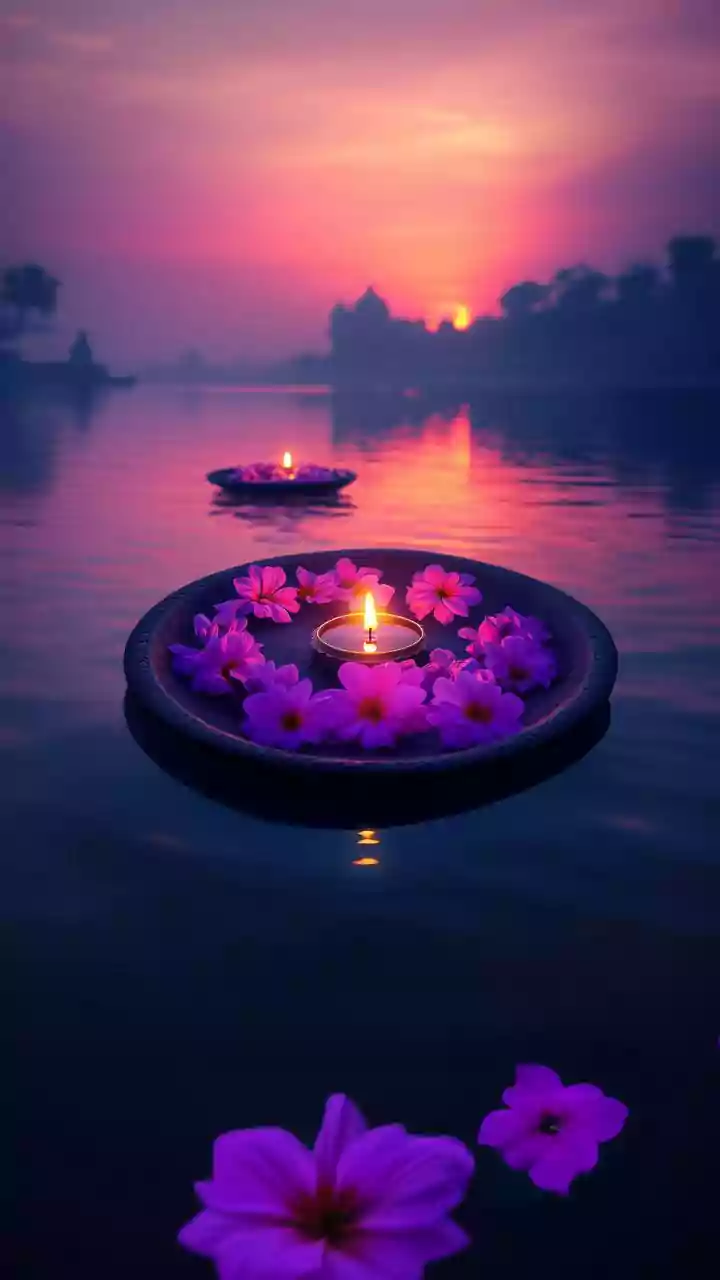
Thiruvathira, also known as Kaikottikali, is a communal dance that radiates joy and unity. Performed by a group of women, it involves them moving in a circle around a traditional lamp (nilavilakku), clapping their hands in rhythmic unison. Dressed in traditional white and gold Mundu-Neriyathu or Kasavu saris, the dancers create a mesmerising spectacle of synchronised movement. The songs accompanying the dance are often folk tunes that tell stories of love and devotion, particularly celebrating the marital bliss of Lord Shiva and Goddess Parvati. Thiruvathira is an integral part of Onam festivities in homes, communities, and public spaces, symbolising togetherness, harmony, and the collective spirit of the festival. Its simple elegance and joyful nature make it one of the most widely performed and beloved dances during the Onam season.