





The Science in the Sky
At its core, a kite flies because of a delicate balance of aerodynamic forces. When wind flows over and under the kite's surface, it creates a pressure difference. The air moving over the top travels faster, creating lower pressure, while the slower air underneath
creates higher pressure. This difference generates an upward force called lift. For the kite to stay aloft, this lift must be greater than the downward pull of gravity on the kite's own weight. The kite line, held by the flyer, provides tension that prevents the kite from being simply blown away by the force of drag. The bridle—the set of strings attached directly to the kite's frame—is crucial for setting the kite's angle against the wind, known as the 'angle of attack'. Adjusting this angle allows a kite to fly in various wind conditions.
The Art of the Flyer
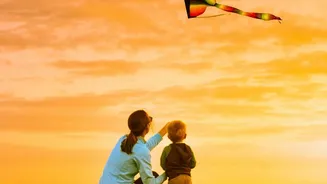
Simply holding the string is not enough; a skilled flyer develops an intuitive understanding of the wind. This starts with 'reading the wind'—judging its direction, strength, and consistency before even launching. A successful launch on a breezy day might only require a small tug, but on calmer days, the flyer might need to run to generate enough relative airspeed for takeoff. Once airborne, control is about subtle adjustments. The flyer learns to handle the line, pulling to make the kite climb and letting it out to change direction or recover from a gust. In sports like kite fighting, or 'pench larana' in India, this skill becomes an art form, involving rapid manoeuvres to cut an opponent's line. Even with simpler kites, developing hand-eye coordination and fine motor skills is essential to keep it dancing gracefully.
An Escape into the Open
Beyond the technical aspects, kite flying is a profoundly beneficial outdoor activity. It encourages physical movement, from running during the launch to the constant small adjustments and walking that keep the kite stable. This provides a gentle form of exercise that engages various muscle groups and improves cardiovascular health. It’s also an antidote to our screen-focused lives. Gazing up at a kite against a vast sky helps reduce eye fatigue and encourages better posture, counteracting the neck and shoulder strain from looking down at devices. Being outdoors connects us with nature, and the simple act of focusing on the kite promotes a state of mindfulness, reducing stress and anxiety by keeping you present in the moment.
A Cultural and Social Thread
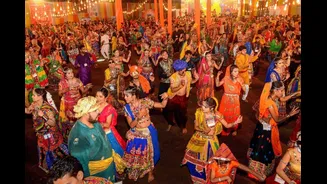
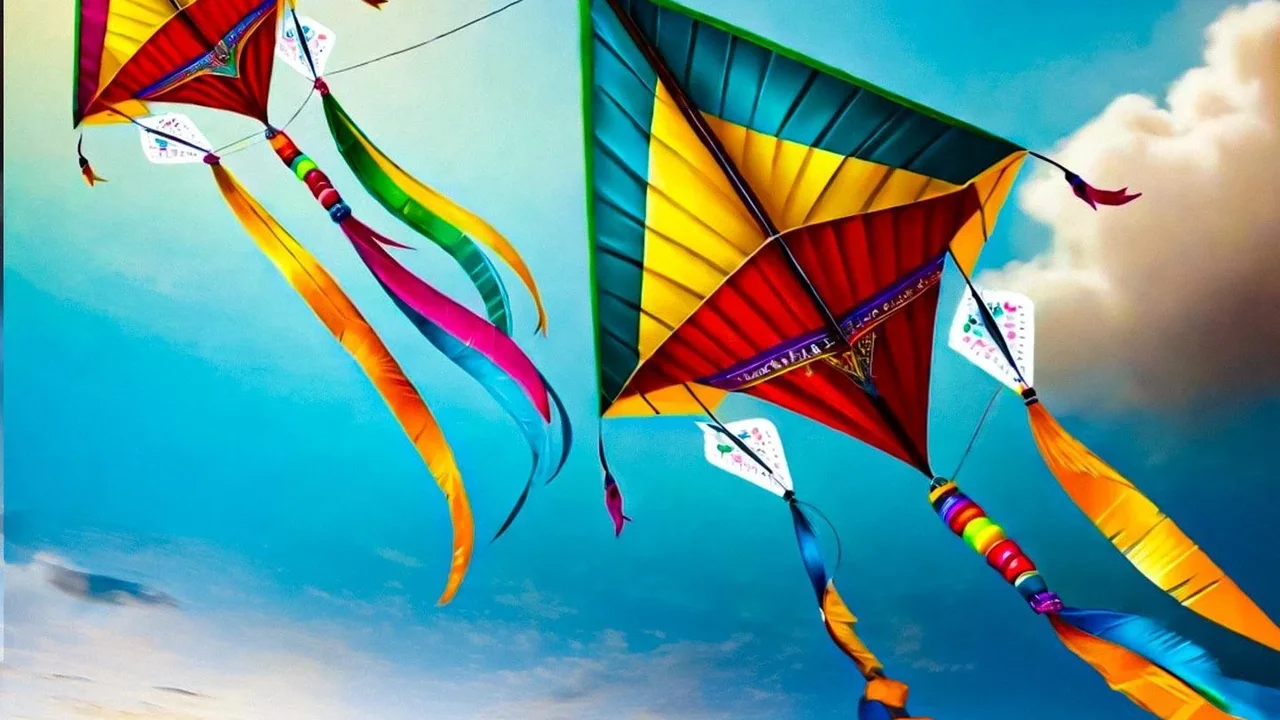
In India, kite flying is deeply woven into the cultural fabric, far surpassing a mere hobby. It is a centrepiece of festivals like Makar Sankranti and Basant Panchami, which celebrate the change of seasons and the harvest. During these events, rooftops and fields transform into social hubs where families and communities gather. The sky fills with kites of all colours, symbolising hope, freedom, and joy. The tradition dates back centuries and has even been used as a form of expression and resistance. The collective shouts of 'Kai Po Che!' when a line is cut echo a spirit of friendly competition and communal celebration that strengthens social bonds.
From Simple Diamonds to Powerful Foils
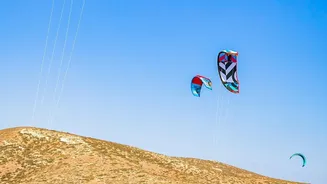
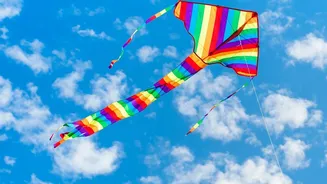
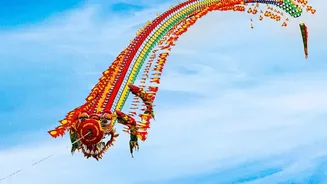
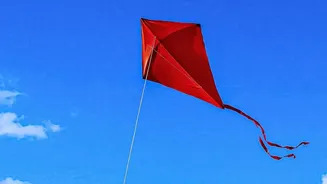
The world of kites is vast, offering a progression for every skill level. Beginners often start with single-line kites like the classic Diamond or the highly stable Delta kite, which are easy to launch and fly in moderate winds. As skill grows, one might move to multi-line stunt kites that allow for complex tricks and precision control, essentially letting you choreograph a ballet in the sky. For the ultimate challenge, power kites are large foils designed to generate immense pull, used for sports like kiteboarding and landboarding. This variety ensures that kite flying is not a static activity but one that can evolve with the flyer, constantly offering new challenges and rewards.