





The New Food Reality
GLP-1 agonists work by mimicking a hormone that slows down digestion and signals fullness to the brain. This quiets the constant mental chatter about food, often called “food noise.” For many, the persistent cravings and obsessive thoughts about the next
meal simply fade. While this brings relief, it also creates a new challenge: how to get adequate nutrition when your body is telling you it's full after just a few bites. Because you're eating less, every choice matters more. The goal isn't just to eat smaller portions, but to make those portions as nutritionally effective as possible.
Make Protein Your Priority
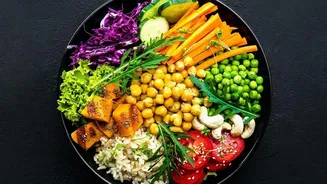
When losing weight, especially with GLP-1s, the body can lose muscle mass along with fat—sometimes up to 40% of the weight lost. Prioritising protein is the single most important strategy to counteract this. Protein helps preserve lean muscle, which is crucial for maintaining strength and a healthy metabolism. Experts recommend aiming for 25 to 30 grams of protein per meal. Because your appetite might fade quickly, a helpful tip is to eat the protein portion of your meal first. Good sources include lean meats like chicken and fish, eggs, low-fat dairy like Greek yogurt, and plant-based options like tofu, beans, and lentils. If solid food feels unappealing, a protein shake can be an effective supplement.
Nutrient Density Is a Must
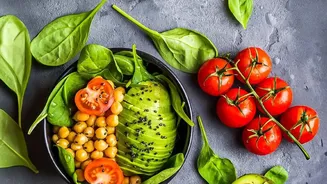
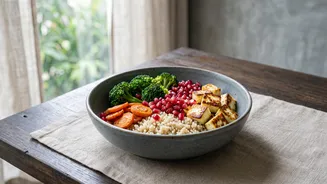
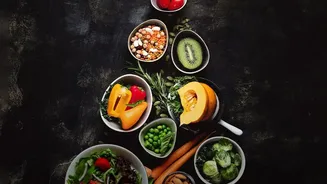
With a reduced caloric intake, your body has fewer opportunities to get the vitamins and minerals it needs to function. This is where nutrient density—the amount of nutrients per calorie—becomes critical. Focus on whole, minimally processed foods that are rich in vitamins, minerals, and antioxidants. This includes a wide variety of fruits and vegetables, whole grains like quinoa and oats, and healthy fats from sources like avocado, nuts, and seeds. These foods provide sustained energy and support overall health, helping to avoid the fatigue that can come with eating less. Greasy, fried, and highly processed foods should be limited, as they offer little nutritional value and can worsen common side effects like nausea.
Fibre and Fluids for Digestive Comfort
One of the ways GLP-1s work is by slowing digestion. While this helps with feeling full, it can also lead to uncomfortable side effects like constipation, bloating, and nausea. A diet rich in fibre can help manage these issues by supporting digestive health. Good sources include fruits, vegetables, legumes, and whole grains. Staying hydrated is equally important. These medications can sometimes reduce the sensation of thirst, making dehydration a risk. Dehydration can worsen both constipation and nausea. Aim to sip water consistently throughout the day, rather than drinking large amounts with meals, which can increase feelings of fullness and discomfort.
Rethink Your Plate and Schedule
The traditional three-large-meals-a-day model may no longer work. Many users find it easier to eat smaller, more frequent meals or snacks throughout the day. This approach can feel less daunting than a large plate of food and can help manage digestive side effects. Instead of a big dinner, you might have a small portion of grilled salmon with quinoa, followed by a Greek yogurt snack a couple of hours later. It's also wise to avoid high-fat, greasy, or very sugary foods, as they can sit heavily in a slowed-down digestive system and trigger nausea or discomfort. Listening to your body’s new fullness cues is key to finding a sustainable and comfortable eating pattern.