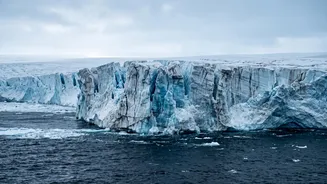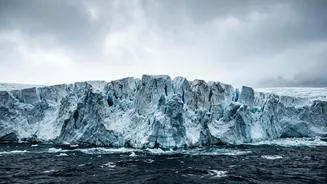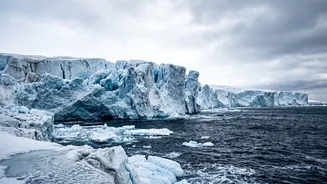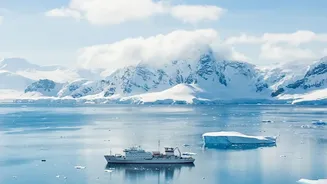







It's nicknamed the 'Doomsday Glacier' for a reason. New research on Antarctica's enormous Thwaites Glacier has climate scientists concerned. Revised models suggest its collapse could be faster and its impact on global sea levels more severe than we thought.
What is the 'Doomsday Glacier'?
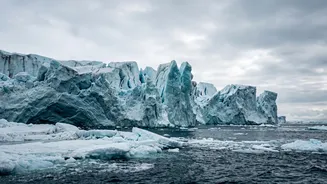
Thwaites Glacier, located in West Antarctica, is one of the widest and fastest-melting glaciers on Earth. Spanning an area roughly the size of Florida or Great Britain, it's a colossal river of ice. Its ominous nickname comes from the catastrophic consequences of its potential collapse. Currently, it contributes about 4% of annual global sea-level rise. More importantly, it acts as a natural cork, holding back the rest of the vast West Antarctic Ice Sheet. If Thwaites were to collapse entirely, it could raise sea levels by over two feet on its own, and its failure could destabilise the surrounding ice, which holds enough water to raise seas by a catastrophic 10 feet.
What the New Models Reveal
The latest headline-making research, published in October 2026, comes from scientists at the University of California, Irvine, and NASA's Jet Propulsion Laboratory. Their work focused on a critical area called the 'grounding zone'. Previous models treated the point where the glacier lifts off the seabed and starts to float as a simple, fixed line. However, new satellite data revealed this isn't a line but a wide zone, several kilometres across. In this zone, warm, salty ocean water intrudes far beneath the glacier, lifting the ice with the tides and melting it from below in a process researchers call 'vigorous melting'.
Twice the Impact by 2100
By incorporating this more realistic 'grounding zone' into their computer models, the scientists found that their simulations matched the glacier's actual observed retreat since the 1990s four times more closely. When they ran the model forward, the results were sobering. The revised projections show Thwaites could contribute up to 30 millimeters (1.2 inches) to global sea levels by the year 2100. That figure is roughly double the amount projected by earlier, more conventional models. Alarmingly, the researchers noted this could happen even without any additional climate warming beyond what has already occurred, suggesting a certain amount of future sea-level rise is already locked in.
A Critical Anchor Point at Risk
The accelerated melting at the grounding zone creates another significant risk. The glacier's flow is currently slowed by an underwater mountain called the Mouginot Ridge, which acts as a stabilizing anchor. The new models show that the intense melting from below is weakening this connection. The study found there is a 60% probability that Thwaites will become completely detached from this ridge by 2100, a development that could happen as early as the late 2030s. If the glacier unpins from this ridge, its retreat could accelerate dramatically, triggering a much faster flow of ice into the ocean.
Why It Matters for India's Coasts
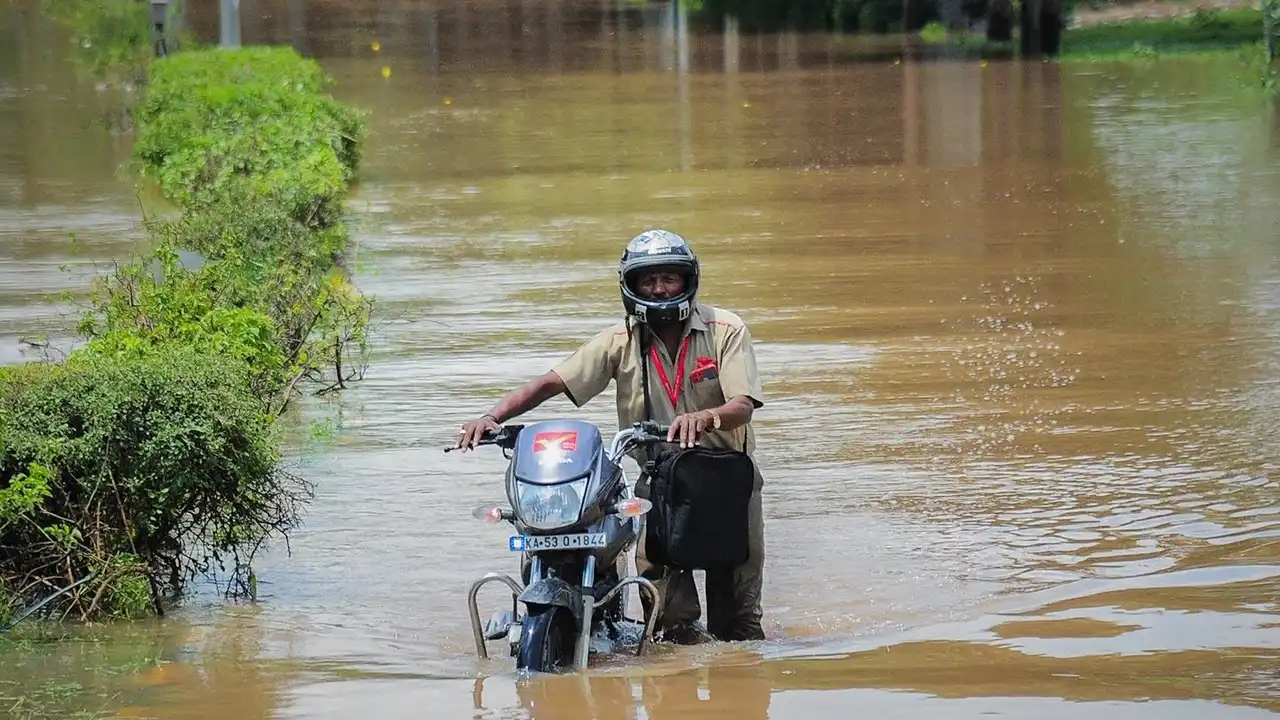
A rise of 30 millimeters from a single glacier may not sound like much, but it represents a significant acceleration in a global problem with direct consequences for India. With over 7,500 kilometres of coastline, numerous low-lying regions, and densely populated coastal megacities like Mumbai, Chennai, and Kolkata, India is exceptionally vulnerable to rising seas. Even small increases in the global sea level magnify the impacts of storm surges, lead to more frequent and severe coastal flooding, accelerate erosion, and threaten freshwater sources with saltwater intrusion. The new Thwaites research is a critical warning that these threats may arrive sooner and be more severe than previously anticipated, adding urgency to calls for both global climate action and local adaptation strategies along India's shores.