


A Conservation Triumph
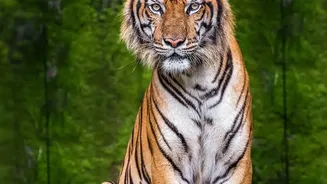
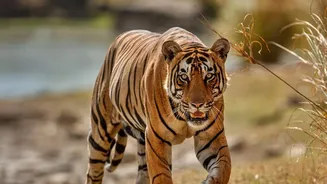
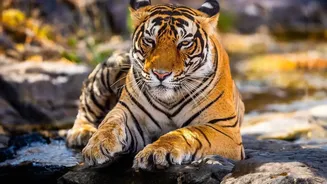
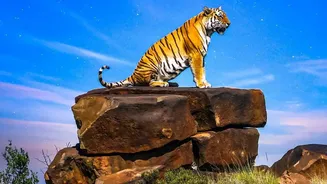
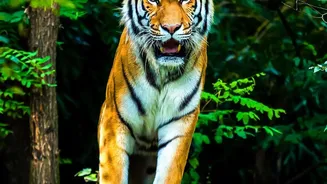
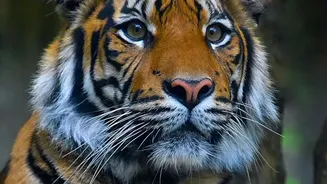
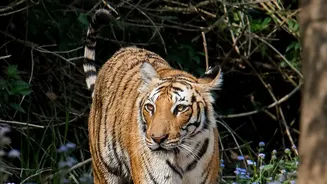
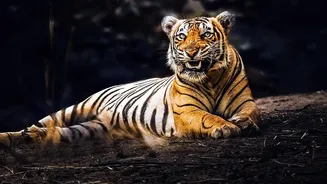
Not long ago, the future of the Bengal tiger in Nepal looked bleak. By 2009, only around 121 individuals remained in the wild. In response, Nepal embarked on an ambitious conservation journey, joining a global pledge to double its tiger numbers. The results
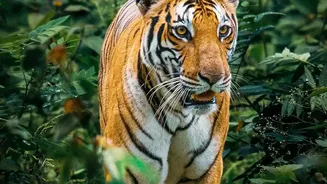
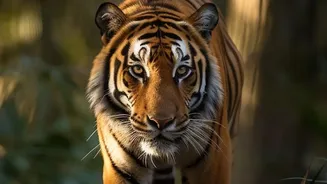
have been nothing short of spectacular. According to the latest survey results announced in July 2026, the country is now home to a record 429 tigers. This success is built on a multi-pronged strategy: strong anti-poaching patrols, effective law enforcement, and, crucially, a pioneering community-based conservation model. The Terai Arc Landscape, a vast transboundary area of forests and grasslands shared with India, has been central to this effort. This initiative focused on restoring degraded forests and vital wildlife corridors, involving tens of thousands of local people as forest watchers, anti-poaching patrollers, and eco-tourism guides. By giving communities a direct stake in the health of the ecosystem, Nepal not only boosted its forest cover but also created a blueprint for conservation worldwide.
The Rising Cost of Coexistence
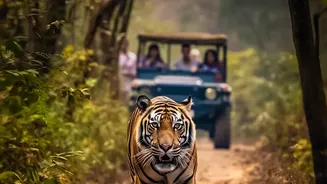
The return of the tiger has brought a new, and often dangerous, reality for those living on the fringes of protected areas. As the tiger population grows and expands, these powerful predators are increasingly venturing out of national parks and into the community forests and farmlands where people live and work. This has led to a sharp increase in human-tiger conflict. Encounters that were once rare are becoming more frequent, leading to livestock losses and, tragically, human injuries and fatalities. One study noted that an 11-fold increase in human-wildlife incidents coincided with the rise in tiger numbers. For families who depend on forest resources for firewood, fodder, or grazing their animals, the risk is now a part of daily life. These are often the same communities that have been the backbone of conservation success, creating a painful paradox where the protectors are now facing the consequences of their achievement.
When Community Models Are Strained
The community-led conservation model, which relies on local tolerance and participation, is now facing its greatest test. When a family loses livestock, it represents a significant economic blow. When a person is injured or killed, it erodes the goodwill that has been built over decades. While government and conservation groups provide some financial relief for losses, these compensation schemes are under pressure and may not be enough to offset the growing costs borne by local people. The challenge is no longer just about protecting tigers from people, but also about protecting people from tigers. This requires a shift in strategy. Authorities are dealing with new ecological issues, such as a rising number of tigers that need to be held in captivity after repeated conflicts. The very success of the program has pushed the tiger population towards the estimated carrying capacity of the habitat, leading to more territorial disputes among the animals and pushing them into human-dominated landscapes.
Searching for a New Balance
Finding a sustainable path forward is now the top priority for conservationists in Nepal. The focus is shifting from pure population growth to managing a healthy, stable population in a way that ensures human safety. This involves a range of strategies aimed at promoting coexistence. Conservation groups are helping communities build predator-proof livestock enclosures to reduce attacks. Efforts are also underway to improve and secure wildlife corridors, allowing tigers to move more safely between protected areas without having to pass through villages. Furthermore, there is a push to create and support alternative livelihood opportunities that reduce local communities' direct dependence on forest resources, lessening the chance of dangerous encounters. Nature-based tourism, for example, allows communities to benefit economically from the presence of tigers without direct conflict. Ultimately, the goal is to ensure that the people who live alongside these magnificent animals continue to see them as a valued asset, not a threat.