


Why Homemade Beats the Jar
Store-bought pasta sauces are convenient, but they often come with a hidden cost: high levels of sugar, salt, and preservatives. When you make your own, you control every single ingredient. This means you can ditch the added sugars that are common in many
commercial brands and manage the salt content. Making a large batch from scratch is not only healthier but can also be more economical. You can freeze it in portions, ensuring a quick and wholesome meal is always on hand for those busy weeknights. This control allows you to build a flavour profile that you know your children will enjoy, making mealtime less of a battle and more of a victory.
The Flavour Foundation: A Simple Master Recipe
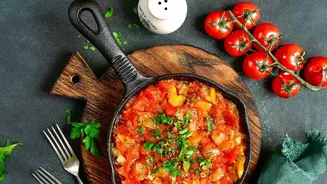
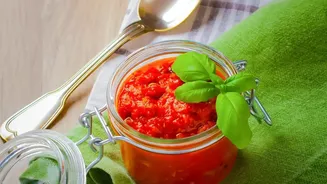
The key to a great sauce is starting with good ingredients. While fresh, ripe tomatoes are wonderful, high-quality canned tomatoes or passata provide consistency and a deep flavour base year-round. Here is a simple, foundational recipe to get you started. In a saucepan, gently heat a tablespoon of olive oil. Sauté one finely chopped onion until it becomes soft and translucent, then add a crushed clove of garlic and cook for another minute until fragrant. Pour in a 700g jar of tomato passata or two 400g cans of chopped tomatoes. Add a teaspoon of dried oregano, a pinch of salt, and let it simmer gently for at least 15-20 minutes to allow the flavours to meld and the sauce to thicken. For a super smooth consistency that picky eaters prefer, use an immersion blender to blitz the sauce directly in the pot.
Beating the 'Bland' Barrier
“Simple” doesn’t have to mean a lack of flavour. The secret to a rich, complex taste that kids still love lies in balancing the natural acidity of the tomatoes. Instead of sugar, try adding a whole, peeled carrot to the sauce while it simmers. The carrot releases natural sweetness, and you can simply remove it before serving. Another trick is to cook the tomato paste for a minute before adding the other liquids, which deepens its flavour. For an extra savoury, or umami, kick that adds depth without being overpowering, a tiny splash of soy sauce or a teaspoon of nutritional yeast can be stirred in. These additions create a more rounded sauce that moves beyond basic tomato taste.
The Art of the 'Sneaky' Vegetable
A smooth tomato sauce is the perfect vehicle for adding extra nutrients. The key is to ensure the vegetables are cooked until completely soft and then blended seamlessly into the sauce, leaving no tell-tale chunks or green flecks. Finely diced carrots, celery, zucchini, and red bell peppers are excellent candidates. Sauté them with the onion until they are very soft and even slightly caramelized before adding the tomatoes. This not only breaks them down for easy blending but also adds another layer of natural sweetness. Even a handful of spinach, wilted into the sauce before blending, can disappear completely, boosting the iron and vitamin content without a fight at the dinner table.
Adapting and Growing with Your Child
This basic sauce is a launchpad. As your child’s palate becomes more adventurous, you can start introducing new elements. Begin with a small amount of fresh, chopped basil stirred in at the end of cooking for a brighter flavour. Later, you might try other herbs like thyme or a different dried herb blend. The sauce is also a fantastic base for other dishes. You can add meatballs, lentils for a vegetarian bolognese, or use it as a base for a simple chicken parmesan. By starting with a flavour profile they already accept and making small, incremental changes, you can gently expand their culinary horizons without overwhelming them. The goal is progress, not perfection.