

What Exactly Is a Dual-Fuel Train?
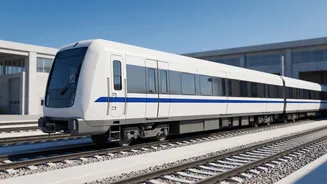
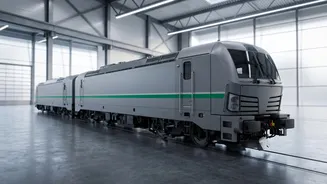
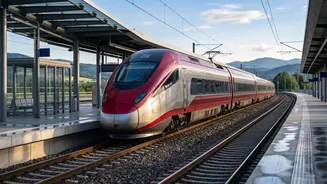
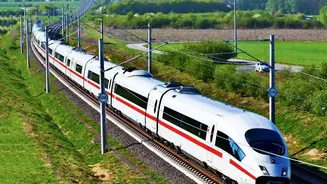
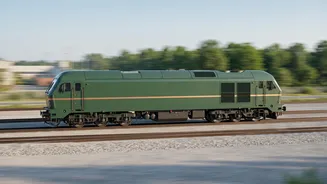
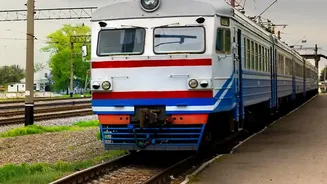
This new train, a modified Diesel-Electric Multiple Unit (DEMU), doesn't run purely on LNG. Instead, it uses a dual-fuel system where LNG is blended with diesel in the engine. The technology allows Liquefied Natural Gas to substitute for about 40% of
the diesel that would normally be consumed. The engine can seamlessly switch between the dual-fuel mode and running entirely on diesel, which ensures operational flexibility and reliability even if LNG isn't available. This initiative involved retrofitting two 1,400-horsepower Driving Power Cars (DPCs) at the Sabarmati depot in Gujarat. The goal isn't to eliminate diesel on this train, but to significantly reduce its consumption.
The Primary Goal: A Cleaner, Cheaper Ride
The main driver behind this LNG trial is twofold: cutting costs and reducing pollution. LNG is a cleaner-burning fossil fuel than diesel, producing lower emissions of carbon dioxide (CO₂), nitrogen oxides (NOx), and particulate matter. This makes it an attractive option for reducing the carbon footprint of railway operations. Economically, LNG is also cheaper than diesel. Based on initial trial data from over 2,000 km of testing, Indian Railways estimates that using the dual-fuel system on a single eight-coach train could lead to annual fuel savings of around ₹23.9 lakh. While the conversion of a DEMU train costs roughly ₹1.86 crore, the long-term fuel savings present a compelling financial case.
Part of a Bigger Green Mission
This LNG trial isn't happening in a vacuum. It's a key part of Indian Railways' ambitious "Mission Net Zero," which aims to make the rail network a net-zero carbon emitter by 2030. While the primary strategy to achieve this is the massive electrification of its broad-gauge network, alternative fuels play a crucial role. Some routes, particularly those with low traffic density or in difficult terrain, are not economically or technically viable for full electrification. For these non-electrified sections, dual-fuel systems like LNG-diesel, and even hydrogen-powered trains which are also being trialled, offer a practical bridge to decarbonisation without needing to build costly overhead electric infrastructure.
Challenges and the Road Ahead
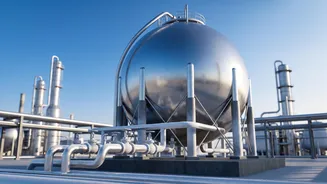
Despite the promise, a network-wide shift to LNG is not on the immediate horizon. This is a deliberate and cautious technology trial. One of the biggest hurdles is infrastructure. LNG is a cryogenic fuel, stored at -162°C, which requires specialised, insulated tanks and dedicated refuelling facilities that currently do not exist across the vast rail network. The retrofitted DPCs are equipped with 2,200-litre cryogenic tanks, each holding about 950-1,000 kg of usable LNG, which is enough for around 444 km of operation. Ensuring the safety and logistics of handling this fuel on a large scale is a significant challenge.
A Test Case, Not a Revolution
The inaugural run of the LNG-powered train from Sabarmati to Mahesana is the beginning of a data collection phase. Indian Railways will closely monitor the performance, reliability, and real-world savings of the five trains slated for conversion in this pilot project. The results will determine the future of LNG in its fuel mix. It's an adaptive strategy, aimed at making the existing fleet of diesel-powered DEMU trains cleaner and more efficient. Unlike the complete technological overhaul required for hydrogen fuel-cell trains, the LNG dual-fuel system is an incremental improvement—an important distinction. It's an experiment in fuel diversification, not a replacement for the primary goal of electrification.