

The Search for a Healthier Plate
Across India, there is a quiet revolution happening at the dinner table. With a greater awareness of lifestyle and health, many are rethinking daily food choices. The perception of Indian food as being universally heavy with oil and spices is being challenged
from within our own homes. The goal is no longer just about taste but about well-being. It’s not about giving up our beloved dishes, but about preparing them more mindfully. This has led to a rediscovery of age-old cooking methods that prioritise health without compromising on the authentic flavours we cherish. This shift is a practical response to the need for meals that nourish the body and soul, paving the way for a more sustainable and wholesome approach to eating.
The Gentle Power of Steaming
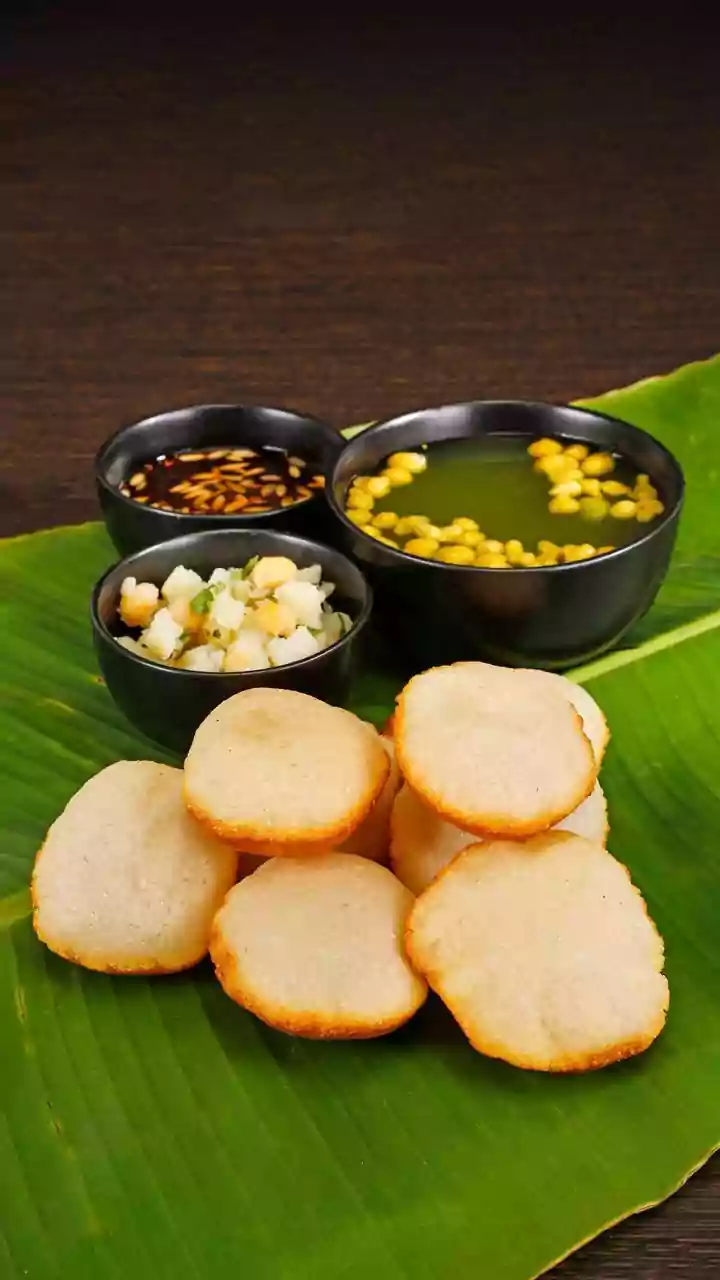
Steaming is one of the healthiest ways to cook, and it has always been a part of India's culinary heritage. From the fluffy idlis of the South to the spongy dhoklas of Gujarat, steaming has given us some of our most beloved dishes. The science is simple: food is cooked with the moist heat of water vapour, not direct heat or oil. This gentle process has significant benefits. Firstly, it preserves nutrients exceptionally well. Studies show that water-soluble vitamins like Vitamin C and B vitamins, which are often lost during boiling, are largely retained during steaming. Steaming also maintains the food's natural texture, colour, and flavour, making vegetables more vibrant and fish more tender. Since no oil is required, it's an excellent way to cut down on fat and calories. The result is food that is light, easy to digest, and packed with its original goodness.
Rethinking Oil in the Indian Kitchen
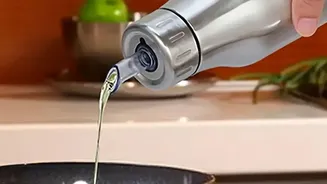
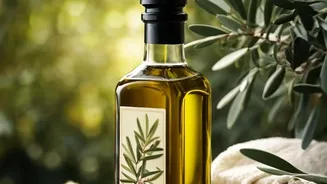
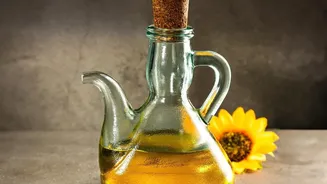
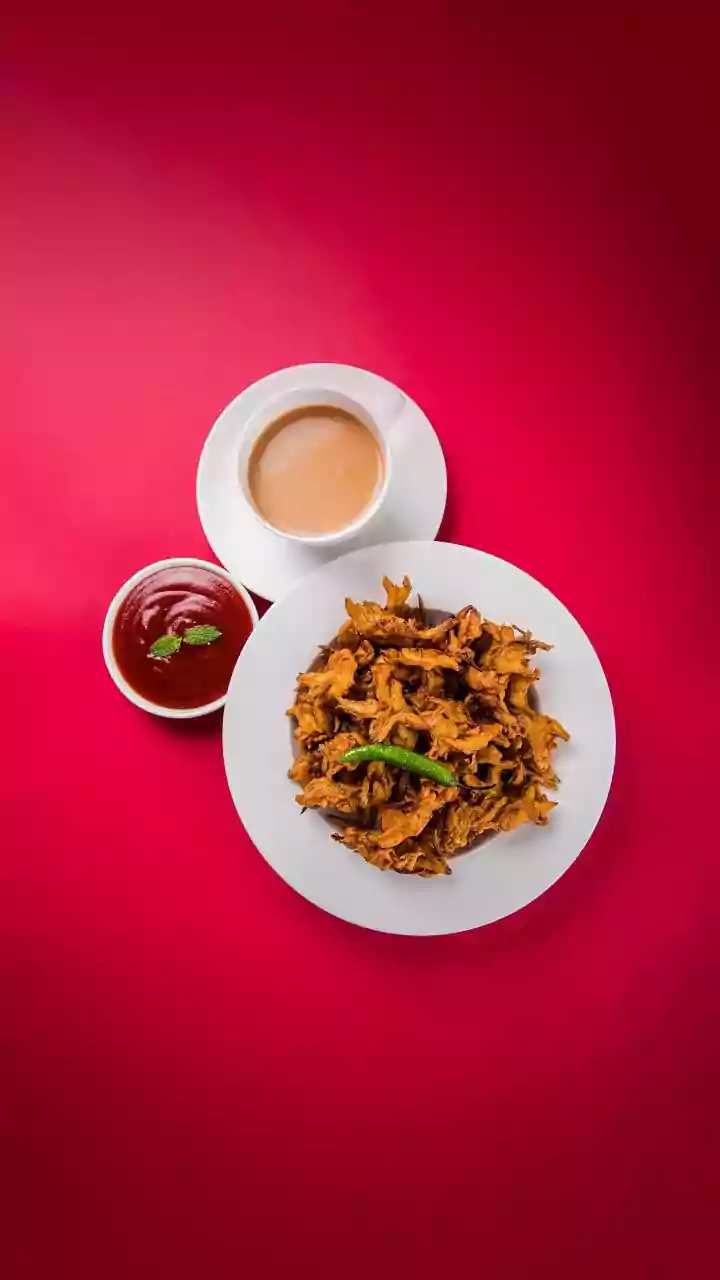
Oil is essential in Indian cooking for flavour and texture, but the quantity we use is often more a matter of habit than necessity. Healthy cooking isn't about eliminating oil, but using it smartly. For most daily sabzis, one to two teaspoons of oil is often enough, especially when using good non-stick or cast iron cookware. One effective technique is to 'sauté' with water or broth; once aromatics like onions and ginger are in the pan, adding a splash of water helps soften them without extra fat. Another trick is to dry roast whole spices before grinding. This process releases their aromatic essential oils, meaning you need less fat to carry their flavour through the dish. Modern appliances like air fryers can also replicate the crispiness of snacks like samosas and pakoras using up to 80% less oil.
Simple Ways to Start at Home
Adopting these methods doesn't require a complete kitchen overhaul. For steaming, you can start with a simple stainless steel steamer basket placed inside a regular pot with a lid. A pressure cooker (used without the whistle) or even a sturdy metal colander can also work. For low-oil cooking, the first step is to measure your oil with a spoon instead of pouring it directly from the bottle. This small change alone can significantly reduce your consumption. Try using a cooking spray for an even, thin coating. When making a tadka, heating a small amount of oil properly delivers a bigger flavour punch than a larger quantity of lukewarm oil. Finally, covering your pan while cooking vegetables allows them to cook in their own steam, reducing the need for additional oil to prevent sticking.
Flavour Without the Fat
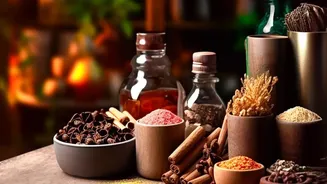
A common fear is that less oil means less taste. However, flavour in Indian food comes from a complex interplay of spices, not just fat. By reducing oil, other flavours get a chance to shine. Generous use of fresh herbs like coriander and mint, the tang of tamarind or amchur (dry mango powder), and the creaminess of yogurt-based marinades can all add depth and richness to a dish. A squeeze of lemon juice at the end can brighten up an entire preparation, tricking the palate into perceiving richness without the heaviness of excess oil. The story of healthier cooking is ultimately one of enhanced, cleaner flavours, where the true essence of the ingredients is celebrated.