






A Tale of Two Competitors
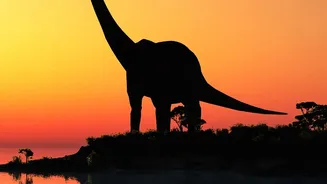
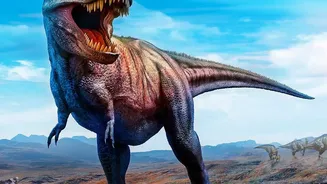
For decades, the prevailing theory was that dinosaurs of all sizes suppressed mammal evolution for over 150 million years. The logic was simple: with giant predators and herbivores dominating every landscape, mammals were confined to small, nocturnal
lifestyles to survive. However, new research published in the journal Evolution proposes a more nuanced and surprising dynamic. Scientists suggest that while large dinosaurs kept mammals small, early mammals may have returned the favour by preventing dinosaurs from ever becoming tiny. This mutual competition shaped the evolutionary paths of both groups in ways scientists are only now beginning to fully appreciate. It appears our shrew-sized ancestors were not just hiding; they were holding their ground.
The Mystery of the Missing Mini-Dinosaurs
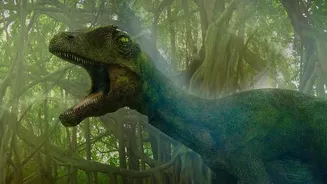
One of the enduring puzzles in palaeontology is the near-total absence of very small dinosaurs in the fossil record. While the Earth today teems with small animals—from mice and shrews to sparrows and geckos—the smallest known non-avian dinosaurs were still relatively large, weighing around 400 grams, roughly the size of a rabbit. According to mathematical models based on energy and reproduction, there should have been an abundance of dinosaurs in the 100-gram range, but fossil evidence for them is nonexistent. This isn't due to poor preservation, as the fossils of tiny mammals, lizards, and amphibians from the same period are regularly found, sometimes in the very same rock layers. The new study argues that this gap wasn't an accident of biology but the result of an occupied marketplace.
The Crowded World of Small Niches
An ecosystem is made up of various 'ecological niches'—essentially, the roles or jobs available for different species, defined by factors like diet, habitat, and size. During the Mesozoic Era, researchers propose that early mammals had already expertly filled the niches for very small, fast-metabolising insectivores and seed-eaters. These shrew-like mammals thrived in the undergrowth and the night, creating a world so saturated with tiny competitors that there was simply no room for dinosaurs to evolve downwards in size. In this view, mammals effectively locked dinosaurs out of the small-bodied marketplace. Any dinosaur lineage that might have started to shrink would have faced intense competition for resources from mammals that were already established and highly adapted to that way of life.
An Evolutionary Stalemate
This created a kind of evolutionary stalemate that lasted for millions of years. Large dinosaurs reigned supreme, preventing mammals from growing to large sizes and becoming apex predators or giant herbivores. In turn, the successful and diverse population of small mammals prevented dinosaurs from shrinking to occupy the tiniest roles in the ecosystem. It was a world divided by size. Dinosaurs had the high ground, controlling the medium-to-large animal niches, while mammals cornered the market on being small and resourceful. This long period of competitive exclusion explains why mammals remained small for so long, but also why dinosaurs never diversified into the mouse-sized creatures that biological models predict should have existed.
The Asteroid and the Aftermath
This delicate, size-based balance of power was shattered 66 million years ago when an asteroid impact triggered a mass extinction. With the non-avian dinosaurs gone, the medium and large ecological niches they had monopolised for millennia were suddenly vacant. This event is famously credited with paving the way for the age of mammals. With their main suppressors gone, mammals exploded in diversity, evolving into larger forms and filling the roles of top predators and massive herbivores. But the new research adds a critical layer to this story. The extinction didn't just remove the 'ceiling' that kept mammals small; it also eliminated other competing mammal groups, further opening the field for the ancestors of modern mammals to diversify into all body sizes, both large and small.