









The Rising Cost of Getting Around
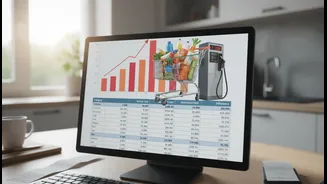
A significant driver of the squeeze on consumer finances is the escalating cost of fuel. Recent data from June 2026 shows a sharp rebound in transportation inflation, which rose to 4.31% after a period of relative stability. This increase is a direct
result of higher global crude oil prices, driven by geopolitical tensions, which oil marketing companies have started passing on to consumers. The impact is twofold. First, it directly increases the cost for individuals who own cars and two-wheelers. Second, it drives up operational expenses for public transport, taxis, and ride-hailing services, leading to higher fares. This isn't just about the daily commute; the entire logistics network, which relies heavily on road transport, feels the pressure. Higher diesel prices mean increased costs for moving goods—from agricultural produce to manufactured products—and these expenses are ultimately passed on to the end consumer in the form of higher prices for a wide range of items.
Why Your Dining Bill is Growing
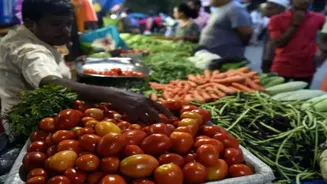
The price of meals, whether cooked at home or eaten out, has seen a noticeable increase. India's food inflation climbed to 5.32% in June 2026, a significant jump from the previous month. Several factors are contributing to this surge. An erratic and weaker-than-normal monsoon has disrupted agricultural output, creating supply concerns for key crops. This has led to sharp price spikes in specific vegetables like tomatoes and ginger, which saw increases of over 30% and 50% respectively. Beyond raw ingredients, global events are also playing a role. The potential for a “super” El Niño weather pattern and rising fertiliser costs are creating uncertainty and could lead to further price shocks for core commodities. For those dining out, restaurants are grappling with not only higher ingredient costs but also rising expenses for cooking gas and labour, forcing them to increase menu prices to maintain their margins.
The Premium on Personal Care
It's not just essentials like food and transport; the personal care category is also becoming more expensive. The 'personal care, social protection and miscellaneous goods & services' segment saw high inflation in June, influenced by several underlying factors. Many companies in the Fast-Moving Consumer Goods (FMCG) sector are facing a spike in the cost of raw materials, including palm oil and petroleum-based derivatives used in packaging like High-Density Polyethylene (HDPE). These cost pressures have led manufacturers to implement price hikes of 3-7% across various home and personal care products. Some companies are also employing strategies like 'shrinkflation'—reducing the quantity of the product while keeping the price the same—particularly at popular price points like ₹5 and ₹10, to manage rising input costs without deterring price-sensitive consumers. This trend is a direct response to squeezed household budgets, as consumers increasingly opt for smaller packs to manage their spending.
The Bigger Economic Picture
These individual price hikes are symptoms of a broader economic trend. India's overall retail inflation, as measured by the Consumer Price Index (CPI), accelerated to 4.38% in June, crossing the Reserve Bank of India's (RBI) 4% medium-term target for the first time in over a year. This figure is a composite of the price pressures seen across different sectors. The RBI has noted these persistent pressures, even raising its inflation forecast for the fiscal year, citing food and energy costs as key concerns. The combination of domestic issues like weather patterns and global factors such as commodity prices and supply chain disruptions creates a challenging environment. While core inflation, which excludes volatile food and fuel prices, has been more stable, the headline inflation number is what most directly impacts the day-to-day cost of living for the average person.