






The Power of a Versatile Pantry
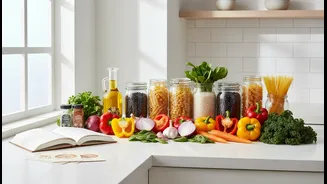
The core principle is simple: buy fewer items but choose ones that can be used in multiple ways. This approach, often called ingredient overlapping, is the opposite of buying a special jar of sauce for a single recipe that then languishes in the back
of the fridge. By focusing on versatile staples, you streamline your shopping list, drastically cut down on food waste, and unlock new levels of creativity in the kitchen. Every item you buy should have the potential to appear in at least two or three different meals during the week. This makes your grocery runs more efficient and your weekly budget more predictable, freeing you from the stress of last-minute meal decisions.
Your Kitchen’s Most Valuable Players
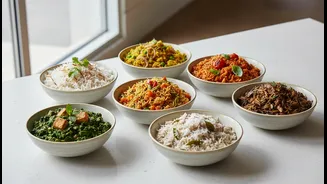
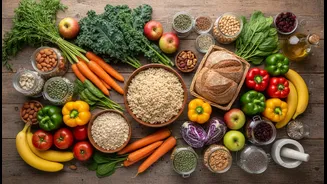
Certain ingredients form the backbone of countless Indian meals. Think of them as your kitchen's most valuable players (MVPs). Onions, tomatoes, ginger, and garlic are the undisputed champions, forming the base for everything from simple dals to elaborate curries. Potatoes are another hero, equally at home in a dry sabzi, a gravy-based curry, or as the star of a paratha. Lentils (dal) and chickpeas (chana) are protein-packed powerhouses that can be prepared in hundreds of ways. Paneer is another excellent example; it can be scrambled for bhurji, cubed for matar paneer, or pan-fried as a standalone snack. Stocking these foundational items ensures you always have the building blocks for a satisfying, home-cooked meal.
From One Ingredient, Three Meals
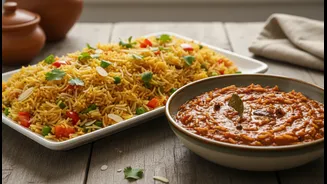
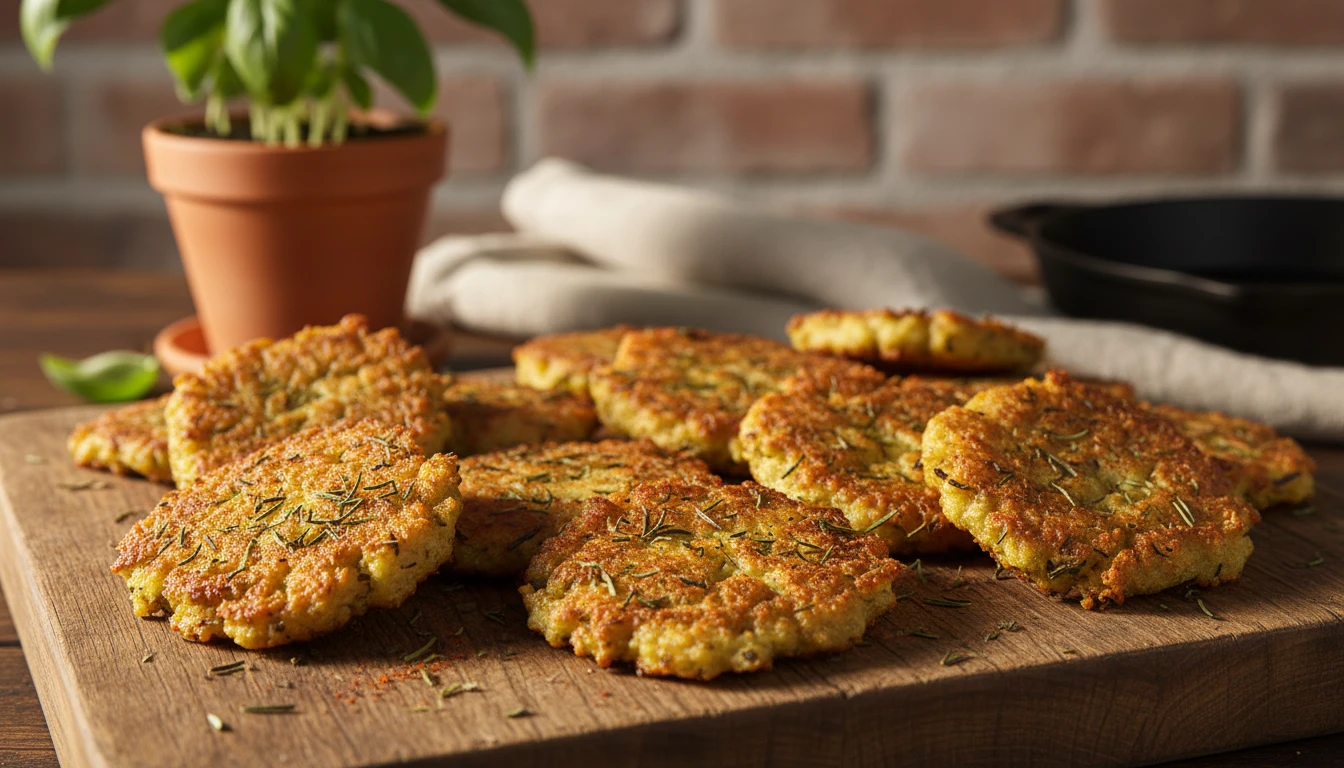
Let's put the theory into practice with a common ingredient: the humble potato. On Sunday, you might boil a larger batch of potatoes. For Monday's breakfast, mash some with spices to create a delicious filling for aloo parathas. For Tuesday's lunchbox, you could turn another portion into a quick aloo gobi, stir-frying it with cauliflower and spices. By Wednesday, the remaining potatoes can be mixed with other vegetables, coated in breadcrumbs, and shallow-fried to make vegetable cutlets for an evening snack. One initial cooking effort provides the base for three distinct dishes, saving you time and ensuring no food goes to waste. This same logic can be applied to a batch of cooked dal, which can be served plain one day and used to make dal parathas the next.
Plan Your Culinary Week
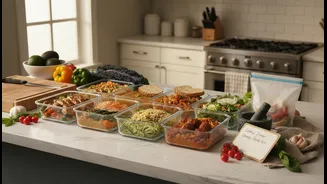
A little planning goes a long way. Before you shop, take a few minutes to outline a rough menu for the week. Start by choosing two or three 'hero' vegetables or proteins you want to focus on. For example, you could decide on cauliflower and lentils. With those two items, you could plan to make gobi paratha, a mixed vegetable kurma with cauliflower, and a simple dal fry. This approach gives your shopping list a clear focus. You buy only what you need for those planned meals, which prevents impulse purchases and overflowing vegetable drawers. Your plan doesn't need to be rigid; think of it as a flexible guide that simplifies your daily cooking process.
The Foundation: Spices and Grains
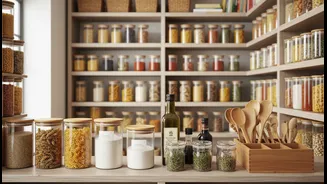
The true magic of this strategy lies in a well-stocked pantry of dry goods. Basic grains like rice and whole wheat flour are essential. But the real transformative power comes from your spice box. Spices like cumin, coriander, turmeric, and garam masala can turn the exact same set of base ingredients—like onion, tomato, and potato—into completely different dishes. A potato curry seasoned with mustard seeds and curry leaves will taste entirely different from one flavored with cumin and dried mango powder. Because spices and lentils have a long shelf life, investing in a good variety allows for endless culinary combinations without the risk of spoilage.