



The Journey Is the Destination
For decades, Indian domestic tourism often meant picking a single spot and staying put. But traveller mindsets are changing. A growing number of tourists are now seeking more dynamic and flexible holidays, favouring exploration and discovery over a static
itinerary. This shift is away from the classic 'point A to point B' vacation. Instead of just tolerating the travel between destinations, people are starting to embrace it. Recent travel trends show a rising interest in slower, more immersive experiences and multi-modal journeys that combine flights, trains, and, crucially, road travel. This change is partly driven by a desire to escape crowded mainstream spots and discover the smaller towns, local cultures, and hidden gems that lie in between the big cities.
Highways That Do More Than Connect
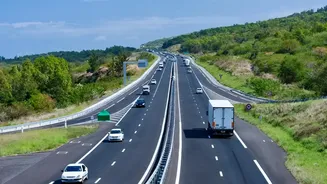
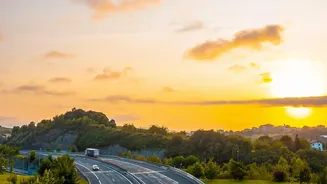
India's new network of expressways is the critical enabler of this trend. These are not just wider, faster roads; they are conceived as economic and tourism corridors. Projects like the Delhi-Mumbai Expressway, Samruddhi Mahamarg, and Bundelkhand Expressway are designed to provide seamless connectivity to clusters of heritage sites, wildlife sanctuaries, and pilgrimage centres. A recent report on Indian tourism highlights that these expressways are creating practical, multi-destination circuits. For instance, a drive is no longer just a long haul but a curated experience with planned wayside amenities, offering a safe and comfortable environment for families and solo travellers alike.
The Samruddhi Mahamarg Example
The Hindu Hridaysamrat Balasaheb Thackeray Maharashtra Samruddhi Mahamarg, connecting Mumbai and Nagpur, is a prime example of this new vision. The 701-km expressway has slashed travel time between the two cities from around 17 hours to just eight. More importantly, it provides direct access to a wealth of attractions. Interchanges are strategically placed near key destinations, creating a ready-made tourist circuit. Travellers can now easily visit the holy town of Shirdi, the wine-growing region of Nashik, the Trimbakeshwar temple, and the UNESCO World Heritage sites of the Ajanta and Ellora caves, all in a single, well-connected trip. This has been noted by experts as a significant boost for the region's hospitality and tourism sectors.
Connecting Capital to Coast
Similarly, the Delhi-Mumbai Expressway is redrawing the tourist map of western and northern India. What was once a journey of over 24 hours is being reduced to around 12, making weekend getaways from Delhi to places in Rajasthan and Gujarat far more feasible. A single drive can now comfortably link the heritage of Jaipur and Udaipur with wildlife safaris in Ranthambore or Sariska tiger reserves, and onward to the cultural hubs of Ahmedabad. The expressway connects a string of historically and culturally rich cities, allowing travellers to hop from one experience to another without the logistical challenges of the past.
A Ripple Effect on Local Economies
This transformation is about more than just traveller convenience; it’s a powerful engine for local economic growth. As tourists venture beyond the metros, smaller towns and villages along these expressways are seeing a surge in visitors. This boosts demand for hotels, homestays, restaurants, and local handicrafts, creating jobs and new opportunities for communities that were previously bypassed by the tourism industry. Government bodies and industry reports both note that this improved connectivity is attracting investment and stimulating development in previously underserved regions, ensuring the economic benefits of tourism are more widely distributed. Upcoming projects like the Char Dham Mahamarg and Shaktipeeth Expressway are expected to further strengthen this trend, especially for pilgrimage tourism.