





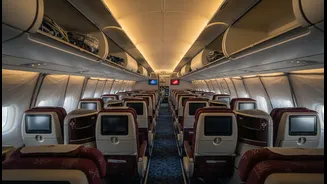


A High-Capacity Workhorse
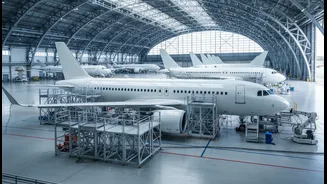
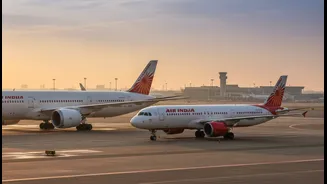
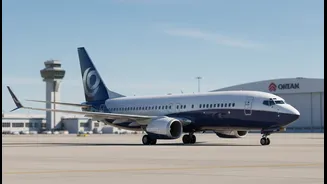
As part of its multi-billion dollar fleet renewal, Air India placed orders for the Boeing 737-10, the largest member of the 737 MAX family. In January 2026, the airline firmed up an order for 10 of these jets, a crucial component of its plan to dominate
India's booming aviation market. Designed to carry up to 230 passengers, the 737-10 is a strategic choice for high-density domestic routes and busy short-haul international flights. Its key advantage lies in offering the lowest cost per seat among single-aisle aircraft, making it an essential tool for an airline focused on competitive pricing and operational efficiency. These aircraft are intended to be the backbone of Air India's narrow-body expansion, enabling it to increase capacity and connectivity across the region.
The Certification Logjam
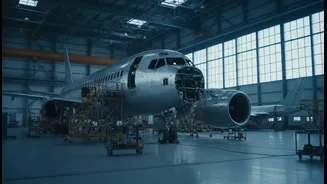
The path to delivery, however, runs through one of the most stringent regulatory landscapes in aviation history. The Boeing 737-10, along with its smaller sibling the 737-7, has faced a prolonged certification journey with the U.S. Federal Aviation Administration (FAA). These delays stem from heightened regulatory scrutiny following two fatal 737 MAX crashes in 2018 and 2019, as well as a subsequent cabin-panel blowout on a 737 MAX 9 in January 2024. Regulators have demanded extensive reviews and redesigns, particularly concerning the engine anti-ice (EAI) system, which was found to have a potential overheating issue. This intense focus has transformed the certification from a routine check into a meticulous, multi-year process involving exhaustive flight tests and safety assessments.
Nearing the Finish Line
Recent updates from Boeing in July 2026 suggest the end of the long wait is finally in sight. The manufacturer has reported that certification flight testing for the 737-10 is approximately 98% complete, with over 2,000 flight hours logged. The remaining hurdles are no longer about the aircraft's performance in the air, but about paperwork and process. Engineers and regulators are focused on completing Development Assurance Reviews (DARs) and finalising system safety assessments to ensure every component meets the FAA's strict standards. Boeing has shifted its messaging from speed to certainty, emphasising that it has a clear and predictable path to final approval, a move designed to rebuild confidence with airlines and the public.
The Ripple Effect for Air India
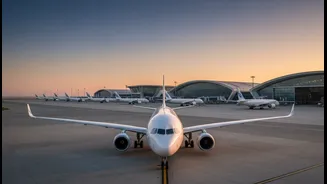
For Air India, this regulatory timeline is more than just a distant headline; it directly impacts its growth strategy. An airline executive recently stated that Air India expects to be one of the first customers to receive the 737-10 once it is certified, with hopes for deliveries to begin early next year. The delays are one of several supply chain challenges the Tata-owned carrier has faced, impacting its ambitious Vihaan.AI transformation plan. While waiting for the new jets, the airline has had to manage its network with its existing fleet, which includes older aircraft undergoing extensive retrofitting to improve the passenger experience. The timely arrival of the 737-10 is critical for Air India to fully execute its network expansion, increase flight frequencies, and maintain a competitive edge against rivals in the cut-throat Indian market.