





The Magic of Almond and Lemon
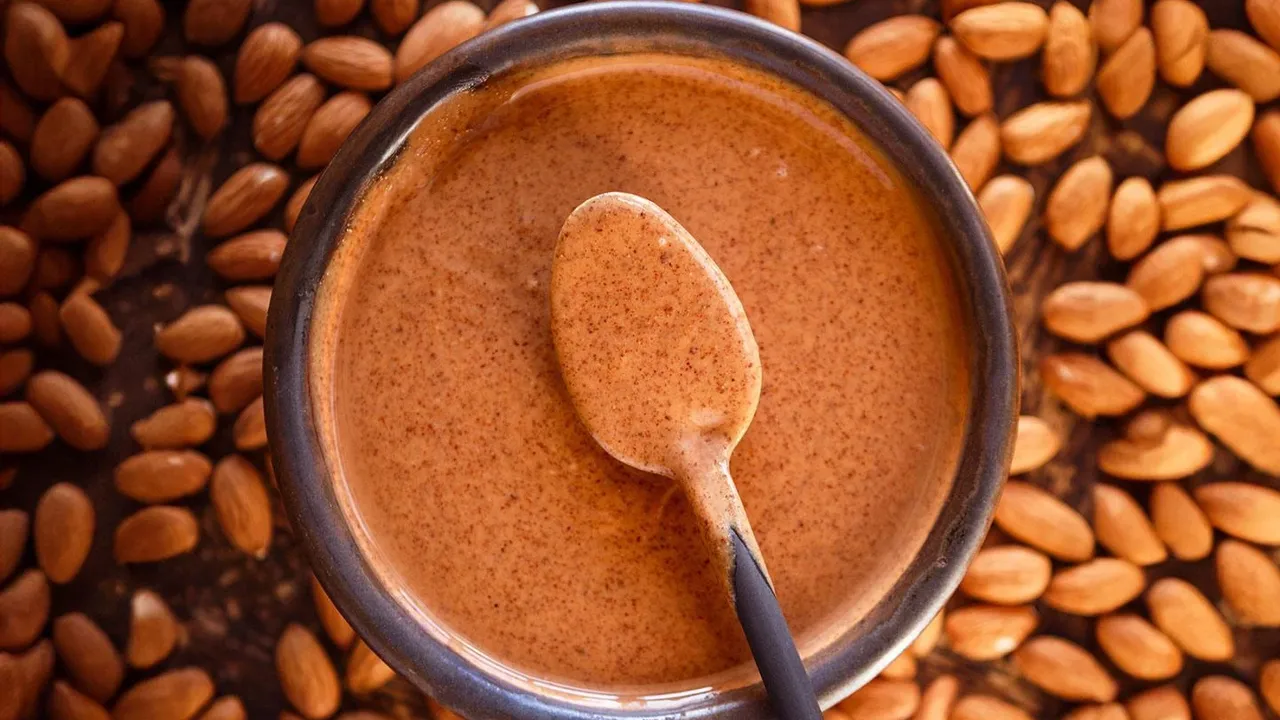
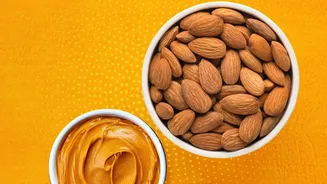
The secret to a truly memorable dressing lies in balancing flavours, and few pairings do this as well as almond butter and lemon. The almond butter provides a deep, toasted nuttiness and a wonderfully creamy base, rich in healthy fats and protein. But
on its own, it can be quite dense. This is where fresh lemon juice comes in. Its bright, zesty acidity cuts through the richness, lifting the overall flavour and preventing the dressing from feeling too heavy. The result is a perfectly balanced sauce that’s both indulgent and refreshing, making any bowl of greens feel like a gourmet meal.
Your Core Ingredients
You only need a handful of simple ingredients to create this versatile dressing. At its heart, the recipe calls for creamy almond butter, fresh lemon juice, water to achieve the perfect consistency, and a touch of seasoning. For best results, choose a smooth, natural almond butter where the only ingredient is almonds. This provides the purest flavour. Freshly squeezed lemon juice is also non-negotiable for that vibrant taste. From there, you can add a neutral oil for extra richness, a little maple syrup or honey for a hint of sweetness, and aromatics like garlic to build more complexity.
A Simple Recipe for Creamy Almond Dressing
This basic recipe is a fantastic starting point and can be whipped up in minutes. In a small bowl or jar, combine 1/2 cup of creamy almond butter, 1/4 cup of cold water, and 2 tablespoons of fresh lemon juice. Add 1/2 teaspoon of garlic powder, a pinch of salt, and a pinch of black pepper. Whisk vigorously or shake the jar until the mixture is completely smooth and creamy. At first, the almond butter might seem to clump, but keep whisking for a minute or two, and it will transform into a velvety dressing. If it's thicker than you'd like, add more water one tablespoon at a time until you reach your desired consistency. Taste and adjust the seasoning as needed.
Tips for Perfect Results
Getting your dressing just right is easy with a few simple tips. The consistency is key; for a pourable dressing, it should fall from a spoon in a slow, steady ribbon. Don't be afraid to add more warm water to thin it out. The dressing will thicken as it cools in the refrigerator. For flavour, the type of almond butter matters. A salted variety might mean you need less added salt. While creamy almond butter creates the smoothest texture, a crunchy version can add interesting texture. You can also make this dressing in a small blender or food processor, which is an excellent way to ensure it becomes perfectly smooth, especially if your almond butter is quite thick.
Delicious Variations to Experiment With
Once you've mastered the basic recipe, the possibilities for customisation are endless. For an Asian-inspired twist, add a tablespoon of coconut aminos or tamari, a teaspoon of toasted sesame oil, and some finely grated fresh ginger. If you like a little heat, a few red pepper flakes can provide a welcome kick. For a dressing that mimics a creamy ranch, add a teaspoon of dried dill and some onion powder. You can also introduce different acids, like balsamic vinegar or apple cider vinegar, for a tangier profile. Don't hesitate to experiment with other nut and seed butters like cashew, sunflower, or tahini for different flavour profiles.
Storing and Using Your Dressing
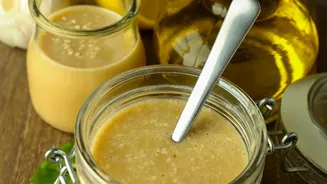
Store your homemade almond butter dressing in an airtight container, like a glass jar, in the refrigerator. It will typically stay fresh for up to one week. Keep in mind that it will thicken when chilled, so you may need to let it sit at room temperature for a few minutes or whisk in a splash of water before serving. This dressing is incredibly versatile. Beyond drizzling it over your favourite green salads, it works wonderfully as a sauce for grain bowls, a dip for raw vegetables like carrots and bell peppers, or a flavourful spread for sandwiches and wraps.