






The Cardio Gap in a Pilates Practice
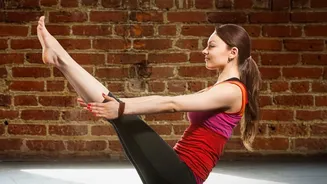
Pilates is a formidable workout focused on strength, stability, and controlled movement. It excels at engaging deep core muscles, improving body awareness, and building lean muscle. However, most traditional Pilates sessions, whether on a mat or reformer,
are low-impact and primarily anaerobic. This means they don't consistently elevate your heart rate into the aerobic zone needed for significant cardiovascular conditioning. While some faster-paced Pilates classes can offer a light cardio benefit, they generally don't match the sustained intensity of activities like running. A well-rounded fitness program includes cardiorespiratory exercise, and relying solely on Pilates might leave a gap in your heart and lung health.
How Running Supercharges Your Fitness
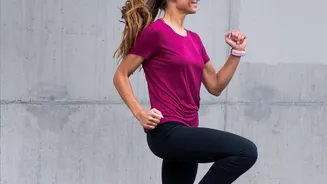
Running is the quintessential cardiovascular exercise. It trains your heart to pump blood more efficiently, strengthens your lungs, and builds endurance. The high-impact nature of running, while a potential risk for joints, is also what stimulates bone density. This form of exercise is highly effective for managing weight and boosting your metabolism. From a holistic health perspective, running provides a different kind of mental challenge and release than the focused precision of Pilates. The repetitive rhythm can be meditative, and outdoor runs offer the added benefits of fresh air and a connection with nature.
A Two-Way Street: Pilates Powers Your Run
The magic of this combination lies in how Pilates directly improves your running. Pilates builds immense core strength, which is the foundation of a stable and efficient running form. A strong core prevents excess movement in your torso, reducing energy waste and allowing your limbs to move more powerfully. This enhanced stability helps protect your hips and knees from the repetitive impact of pounding the pavement. Furthermore, Pilates increases flexibility and mobility, particularly in the hips, which can lengthen your stride and prevent other muscles from overcompensating. By fostering a strong mind-body connection and promoting proper breathing techniques, Pilates helps you run with better posture and control, ultimately reducing the risk of common overuse injuries like IT band syndrome and shin splints.
Creating a Balanced Weekly Schedule
Integrating running into a Pilates routine doesn't have to be complicated. Consistency is more important than volume, especially when starting out. Many runners benefit from one or two Pilates sessions per week to complement their runs. You could alternate days: run on Monday, Wednesday, and Friday, and do Pilates on Tuesday and Thursday, with weekends for rest or active recovery. Another effective strategy is to use Pilates as a form of cross-training on your non-running days. A short, 20-minute Pilates session can also serve as an excellent dynamic warm-up before a run, activating your core and glutes to prepare your body for the work ahead. The key is to avoid doing too much too soon and to allow your body adequate time to adapt to the new demands.
Listen to Your Body and Prevent Burnout
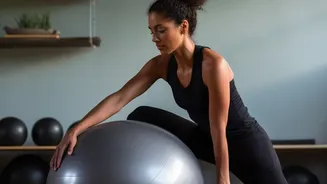
As with any fitness program, the most crucial element is listening to your body. Running is a high-impact activity, and injuries are often linked to doing too much, too soon. When you add running to your routine, pay close attention to any new aches or pains. Ensure you schedule at least one or two complete rest days per week to allow your muscles to repair and rebuild. Pilates can be an excellent tool for active recovery, offering low-impact movement that maintains mobility without adding more stress. If you feel persistent fatigue or your performance in either activity declines, it might be a sign of overtraining. Don't be afraid to scale back, prioritize sleep, and focus on nutrition to support your newly intensified regimen.