

The Core Difference: Natural vs. Processed
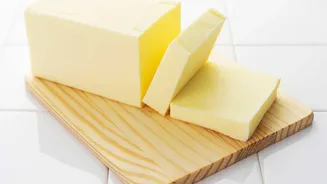
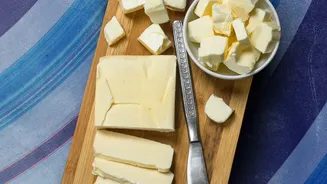
The most significant difference between homemade white butter and commercial yellow butter lies in the processing. White butter, or makkhan, is simply churned from milk cream (malai), often at home, with the buttermilk separated out. This minimal processing means
it's free from added salt, preservatives, and artificial colours that are often found in yellow butter. Commercial yellow butters are manufactured, often using pasteurised cream, and salt is added to act as a preservative, extending its shelf life. Some may also contain colouring agents to achieve a consistent yellow hue.
Myth: White Butter Has Far Fewer Calories
This is a common belief, but the reality is more nuanced. Both butters are predominantly fat and therefore high in calories. Some sources suggest that a tablespoon of white butter has around 90 calories, while the same amount of yellow butter contains about 105 calories. However, other analyses place them closer, with a tablespoon of butter generally containing around 102 calories. The slight variation can be attributed to the water content; white butter often has a higher moisture content, which can marginally lower its fat, and thus calorie, density per serving. Ultimately, both are energy-dense foods, and moderation is key regardless of the type.
Fact: The Sodium Advantage is Real
Here, homemade white butter has a clear and significant advantage. Since it's made without added salt, its sodium content is negligible. In contrast, salted yellow butter can contain around 90 mg of sodium per tablespoon. For those monitoring their blood pressure or advised to follow a low-sodium diet, this difference is crucial. Excessive sodium intake is linked to health issues like hypertension and water retention, making unsalted white butter a better choice for regular consumption.
The Nutrient Question: Vitamins and Healthy Fats
Butter is a source of fat-soluble vitamins like A, D, E, and K. White butter is particularly noted for these nutrients because it is less processed. Both types of butter also contain butyric acid (or butyrate), a short-chain fatty acid that is a primary energy source for the cells in our colon and supports gut health. Butter is one of the richest dietary sources of butyrate. Homemade butter from grass-fed cows may also contain Conjugated Linoleic Acid (CLA), a fatty acid with potential anti-inflammatory and immunity-boosting properties. While commercial butter also contains these, the unprocessed nature of homemade makkhan means these fragile nutrients are well-preserved.
Myth: White Butter Is a Weight Loss Food
This claim should be taken with a large grain of salt. While some proponents suggest that lecithin in white butter aids fat metabolism, this isn't a magic bullet for weight loss. Butter, in any form, is a fat. It is calorically dense, and consuming it in large amounts will contribute to weight gain, not loss. The idea that one type of butter is a diet food is misleading. However, its rich flavour can increase satiety, potentially helping you feel full and satisfied with smaller portions. The key is strict portion control.
Fact: It’s Often Easier to Digest
Some evidence suggests that white butter may be easier on the digestive system for certain individuals. It is claimed to have fewer milk solids and potentially lower lactose content compared to some commercially produced butters, which might make it a more suitable option for those with mild lactose sensitivity. Furthermore, the natural enzymes present in fresh, unpasteurised cream can also aid digestion, an advantage lost in high-heat commercial processing.