


The Treasure Inside Each Thread
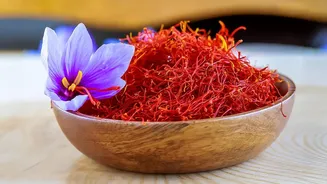
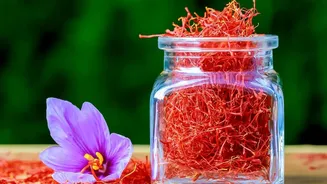
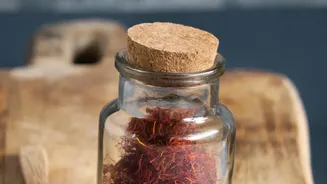
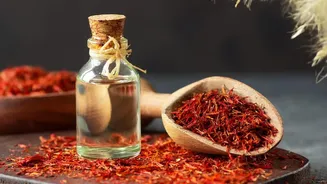
Known as 'red gold', saffron consists of the delicate dried stigmas of a crocus flower, harvested painstakingly by hand. Its price reflects this labour, making it the most expensive spice by weight. But its value lies in three key compounds: crocin, which
provides the vibrant golden colour; picrocrocin, which imparts a characteristic bitter taste; and safranal, responsible for its unique earthy, hay-like aroma. These elements are locked within the dry threads. Just sprinkling them into your cooking means you might only get a fraction of their power, resulting in uneven colour and a muted flavour that fails to perfume the whole dish. To truly do justice to this spice, you must first help it release its treasure.
The Gold Standard: Blooming Saffron
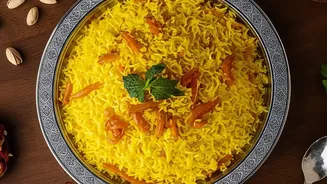
The single most effective technique for extracting saffron's full potential is called 'blooming'. This process involves steeping the saffron threads in a small amount of warm liquid before adding them to your recipe. This gentle infusion coaxes out the water-soluble crocin for colour and helps release the aromatic safranal, ensuring they are distributed evenly throughout your food. Without this crucial step, you'll see specks of red in a pale dish instead of a uniform, golden glow, and the aroma will remain trapped in the threads. Think of it as making a concentrated saffron tea that becomes the flavour base for your entire meal.
A Simple Step-by-Step Guide
Mastering this technique is simple and requires only a few minutes of prep time. For a dish serving four to six people, a generous pinch of about 15 to 20 threads is usually sufficient. 1. Lightly Crush the Threads: Before blooming, gently crush the threads. You can do this between your fingers or, for best results, use a small mortar and pestle. This increases the surface area and helps the compounds release more efficiently. 2. Add Warm Liquid: Place the crushed saffron in a small bowl and pour over two to three tablespoons of warm liquid. This can be water, milk, or broth from the dish you are cooking. The liquid should be warm to the touch but not boiling, as boiling water can destroy saffron's delicate aroma. 3. Let It Steep: Allow the saffron to steep for at least 15 to 20 minutes. You will see the liquid transform, turning a deep golden-orange. If you have more time, letting it steep for 30 minutes or longer will only deepen the infusion. 4. Add Everything to Your Dish: Pour the entire contents of the bowl—both the vibrant liquid and the softened threads—into your recipe. It's best to add this towards the end of cooking to preserve the complex aroma.
Alternative Methods and Common Mistakes
While warm blooming is the most common method, some chefs prefer a cold-water technique using an ice cube. Placing crushed saffron over an ice cube and letting it melt slowly is believed to provide a gentler extraction that preserves even more of the delicate flavour. This takes longer but can yield a deeper colour. Regardless of the method, the biggest mistake is skipping the blooming process entirely. Other common errors include using too much saffron, which can make a dish bitter, or using boiling liquid, which can scorch the spice. Finally, avoid the temptation to buy pre-ground saffron powder. It often loses its potency quickly and can sometimes be mixed with other substances. Using whole threads that you crush and bloom yourself guarantees the best and most authentic saffron experience.