






What Is Seed Cycling?
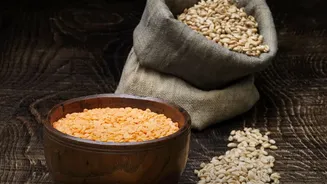
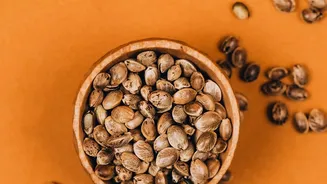
Seed cycling is a dietary practice that has gained significant attention in wellness circles, particularly on social media. The method involves eating specific seeds—namely flax, pumpkin, sesame, and sunflower seeds—at different stages of the menstrual
cycle. The core idea is to support the body’s natural hormonal fluctuations. The cycle is typically divided into two main phases. The first is the follicular phase, which runs from day one of your period until ovulation (roughly days 1-14). During this time, practitioners consume ground flax and pumpkin seeds daily. The second is the luteal phase, from ovulation until the next period starts (roughly days 15-28), during which they switch to ground sunflower and sesame seeds. The theory is that this rotation can help regulate estrogen and progesterone, the primary hormones governing the menstrual cycle.
The Claims vs. The Science
Proponents claim that seed cycling can alleviate a host of hormonal issues, including irregular periods, severe PMS, acne, and even symptoms of PCOS and endometriosis. The theory is that the nutrients in the seeds support hormone production and metabolism at key times. For example, flax seeds are rich in lignans, which are phytoestrogens that may help modulate estrogen levels during the follicular phase. Pumpkin seeds provide zinc, thought to support progesterone production for the upcoming luteal phase. In the luteal phase, sunflower seeds offer Vitamin E, and sesame seeds provide zinc and selenium, nutrients believed to support progesterone levels. However, the scientific evidence for seed cycling as a complete system is very limited. Most of the support is anecdotal. While some small studies have looked at the benefits of individual seeds—for instance, flaxseed's potential effect on cycle length or PCOS markers—there are no large-scale clinical trials that validate the specific practice of rotating them as a treatment for hormonal conditions. The benefits people feel could be due to the placebo effect or simply from adding nutrient-dense foods to their diet.
The Dangers of Self-Treatment
While adding nutritious seeds to your diet is generally a healthy choice and low-risk for most people, relying on this practice to treat significant hormonal symptoms is where the danger lies. Hormonal imbalances can be symptoms of serious underlying medical conditions like polycystic ovary syndrome (PCOS), endometriosis, thyroid disorders, or pituitary gland issues. These conditions require a proper diagnosis and a comprehensive treatment plan from a qualified healthcare professional. Delaying or forgoing medical care in favour of a wellness trend can lead to worsening symptoms and prevent effective management of the root cause. Red flags for any wellness trend include promises of rapid results, pressure to buy specific products, and especially any recommendation to avoid conventional medical care. A doctor can order blood tests and other diagnostics to understand your specific hormonal profile and provide evidence-based treatments, which may include lifestyle changes, medication, or other therapies.
A Balanced and Safe Approach
Integrating seed cycling into your routine as a complementary nutritional strategy is unlikely to be harmful, provided you don't have a seed allergy. The seeds themselves are packed with fibre, healthy fats, vitamins, and minerals that are beneficial for overall health. However, it should be viewed as a supportive dietary habit, not a medical treatment. Think of it as one small part of a broader healthy lifestyle that includes a balanced diet, regular exercise, stress management, and adequate sleep—all of which are proven to support hormonal health. If you are experiencing persistent or severe symptoms like debilitating period pain, highly irregular cycles, unexplained weight changes, or severe acne, it's essential to consult a doctor. Be open with them about your symptoms and any natural approaches you are considering, like seed cycling. They can provide guidance and ensure you're not overlooking a condition that needs medical attention.