


From Niche Trend to Home Staple
Not long ago, matcha was an unfamiliar name on the menus of specialty cafes in metropolitan cities. Today, it has become a mainstream curiosity. According to recent Google Trends data, searches for “how to make matcha” in India have surged by a staggering
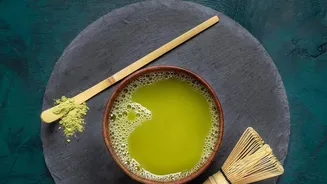
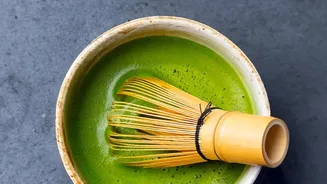
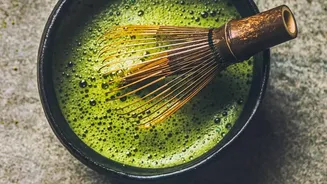
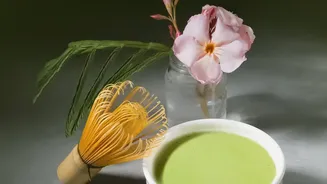
1,300% over the past year. This isn't just passive interest; people are actively looking to bring the experience home. Searches for “matcha kit” have doubled, and queries for the specific tools of the trade—the bamboo “matcha whisk” and ceramic “matcha bowl”—have seen breakout growth. This shift from ordering a drink to buying the equipment shows that for many, matcha is becoming more than a one-time taste; it's becoming a personal ritual.
What Exactly Is Matcha?
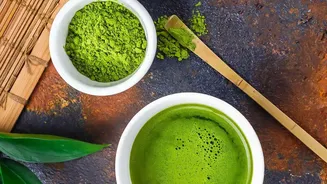
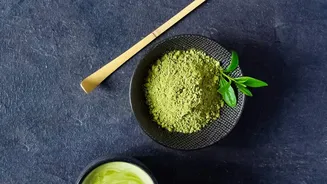
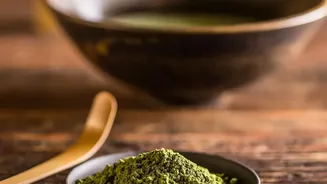
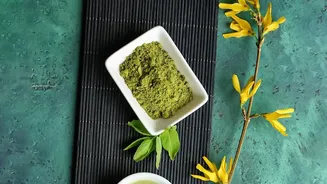
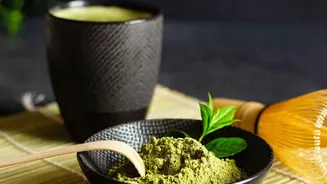
Matcha comes from the same plant as green tea, Camellia sinensis, but its preparation is what sets it apart. The tea leaves are shade-grown for about a month before harvest. This process boosts their chlorophyll and L-theanine content, giving matcha its brilliant green colour and unique flavour profile. Unlike regular green tea, where leaves are steeped in water and then discarded, with matcha, you consume the entire leaf, which has been stone-ground into a fine powder. This means you get a more concentrated dose of the leaves' nutrients and antioxidants.
The Wellness Factor: Calm Energy
A huge driver of matcha's popularity is its health narrative. Search interest for “matcha health” has climbed by 1,000%. One of the most celebrated components of matcha is L-theanine, an amino acid that promotes relaxation and focus. When combined with caffeine, L-theanine provides a state of 'calm alertness', a sustained energy boost without the jitters or crash often associated with coffee. This unique effect has made it a popular alternative for those looking to cut down on coffee while staying productive. Studies suggest L-theanine can help reduce stress, improve sleep quality, and enhance cognitive function.
A Beginner’s Guide: Ceremonial vs. Culinary
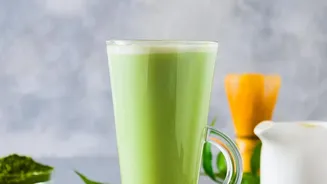
For those venturing into the world of matcha, the first choice is between two main grades: ceremonial and culinary. Ceremonial grade is the highest quality, made from the youngest tea leaves. It has a delicate, smooth, and naturally sweet flavour, making it ideal for drinking on its own, whisked with hot water in the traditional Japanese style. Culinary grade is made from older leaves, giving it a more robust and slightly bitter flavour. This makes it perfect for mixing into lattes, smoothies, desserts, and other recipes where it needs to stand up to other ingredients. For a first-timer wanting to make a simple tea, ceremonial is best. For a home-style latte, a high-quality culinary grade will work perfectly.
The Indian Adaptation
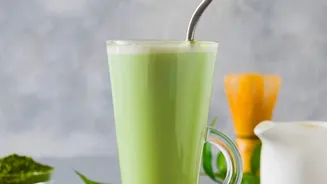
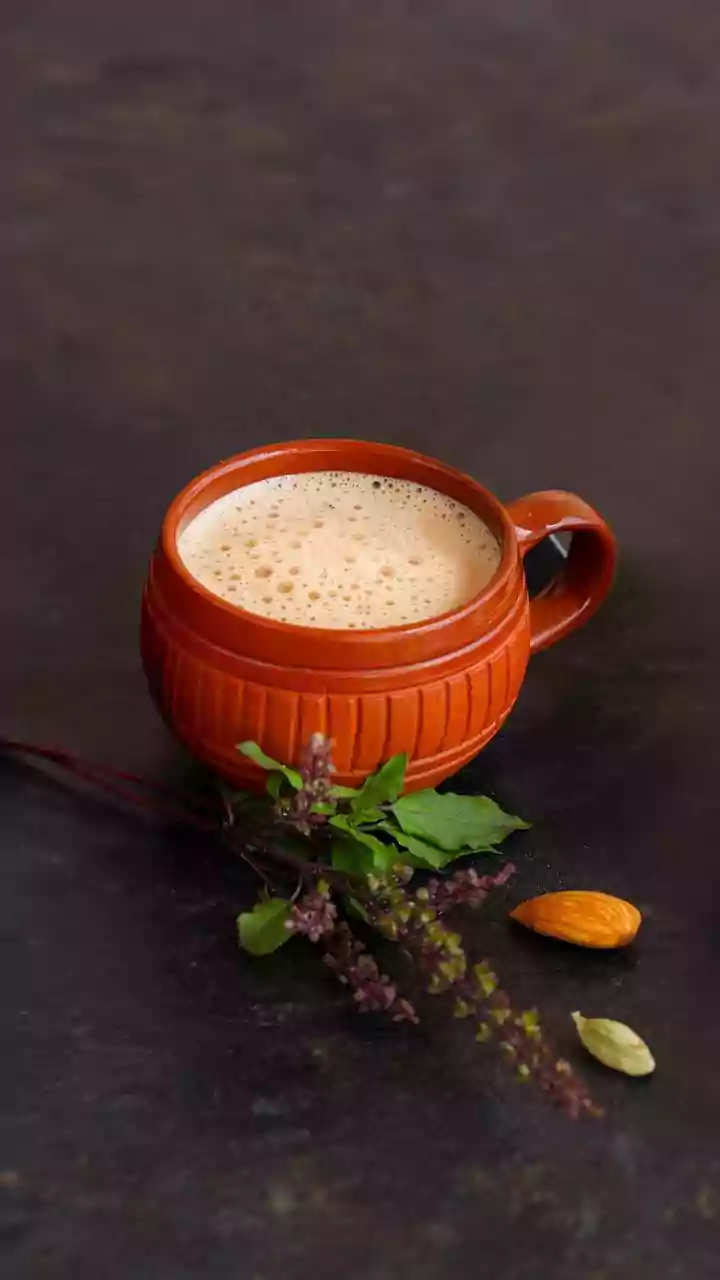
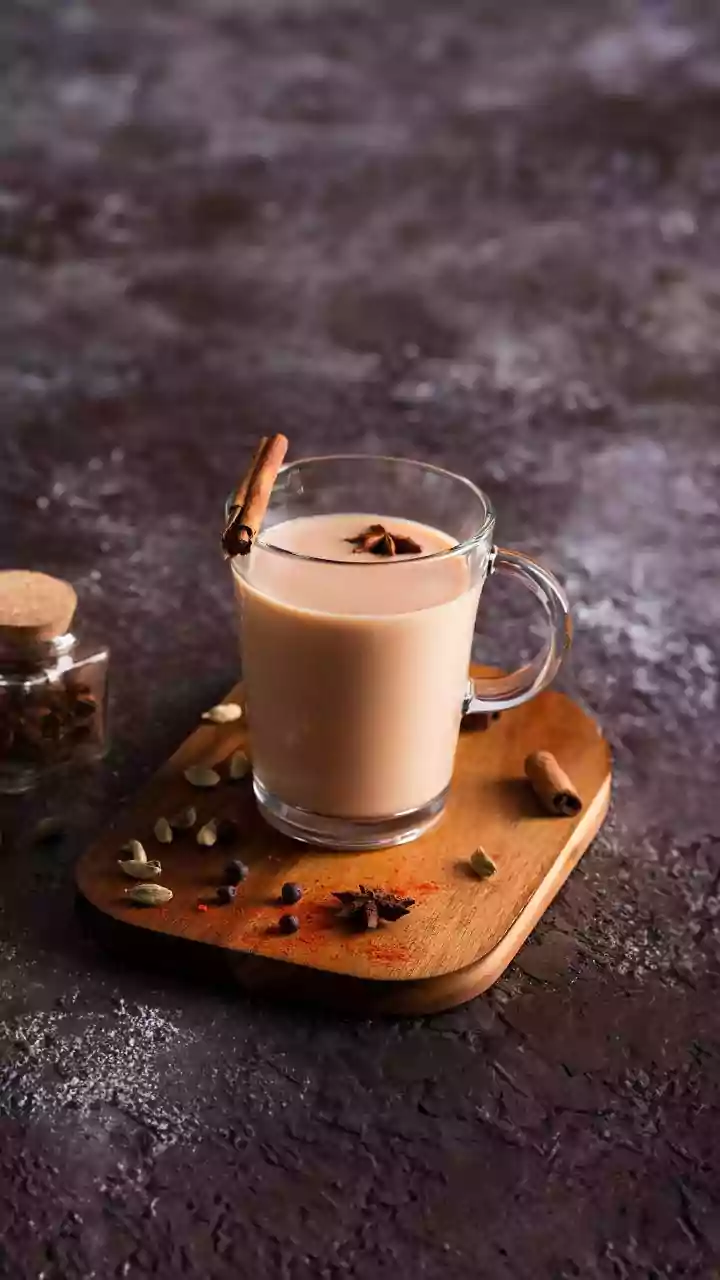
As matcha settles into Indian kitchens, it’s also getting a local twist. People are not just sticking to the traditional preparation; they're experimenting. Search data shows a 200% rise in queries for “mango matcha” and a 400% jump for “strawberry matcha.” During the monsoon season, combinations like “dirty matcha” (a mix of matcha and coffee) and “coconut matcha” also saw breakout interest. Creative home cooks and chefs are infusing the earthy powder into local dishes, from matcha chai lattes with cardamom and ginger to fusion desserts like matcha mango rasgulla tiramisu. This adaptability shows how a global trend is being woven into India’s diverse culinary fabric.