






A Market in Overdrive
The numbers from the first quarter of the 2026-27 financial year paint a remarkable picture of an industry firing on all cylinders. According to the Society of Indian Automobile Manufacturers (SIAM), passenger vehicle (PV) dispatches surged to a record
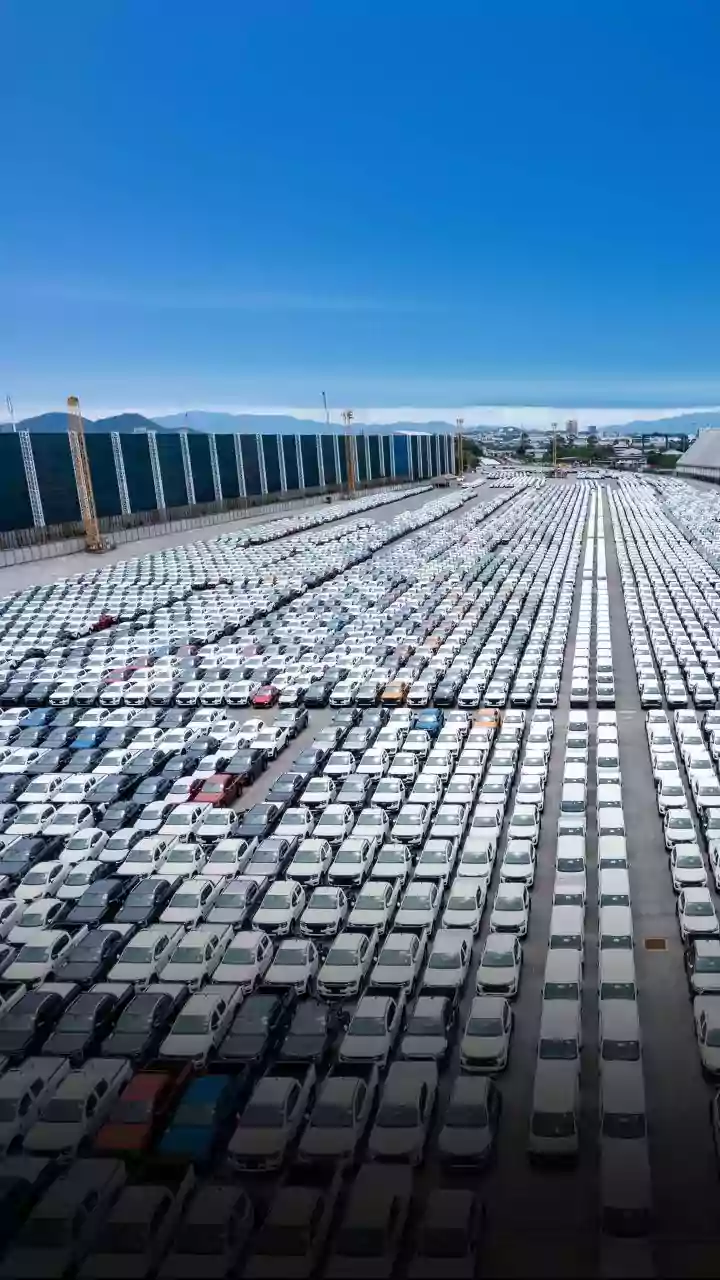
12,73,811 units between April and June 2026, a leap of nearly 26% year-on-year. This wasn't limited to cars; commercial vehicles and three-wheelers also posted their best-ever Q1 sales. The momentum was driven by a confluence of factors, including supportive domestic demand, softer financing costs, and the introduction of new models that captured consumer interest. June 2026 alone saw PV sales climb by over 24% compared to the previous year, with two-wheeler sales also showing robust growth of over 18%. This consistent performance, even in months traditionally considered slower for sales, suggests a structural shift in the market rather than a temporary spike.
Fuelling the 'Make in India' Engine
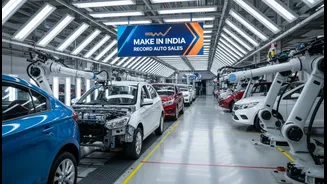
These record sales are more than just a commercial success; they are a significant boost to India's larger economic narrative. The automotive industry is a cornerstone of the nation's manufacturing sector, and its health has a ripple effect across the economy, creating jobs and driving growth in ancillary industries like steel, tyres, and electronics. Government initiatives like the Production Linked Incentive (PLI) schemes and a focus on improving the ease of doing business have been instrumental in creating a favourable environment. The strong performance, which includes record exports of over 2.2 lakh passenger vehicles in the quarter, reinforces India's growing stature as a global manufacturing and export hub. This success story aligns perfectly with the goal of increasing manufacturing's contribution to the national GDP, a long-held ambition of policymakers.
Navigating the Speed Bumps Ahead
Despite the celebratory mood, the road ahead is not without potential hazards. Industry leaders remain cautious, closely monitoring several risk factors that could temper growth. Commodity costs continue to be a pressure point for manufacturers, potentially squeezing margins. While the Reserve Bank of India has held the repo rate steady at 5.25%, providing some stability to loan EMIs, any future hikes to combat inflation could make financing more expensive and dampen consumer demand. Furthermore, geopolitical instability and global economic uncertainty remain persistent threats that could disrupt supply chains or impact export markets. Domestically, challenges like skill shortages in advanced manufacturing and logistical bottlenecks persist, which could hinder the sector's ability to scale efficiently.
The Electric and Premium Shift
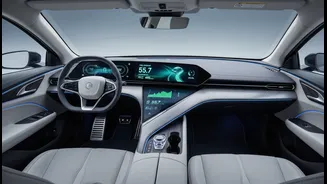
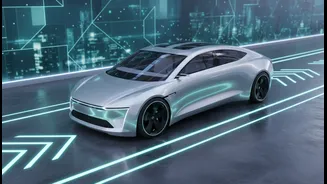
Looming over the entire industry is the transformative shift towards electric vehicles (EVs) and a consumer preference for more feature-rich, premium models. While EV sales are growing at an impressive rate, their overall market penetration remains in the single digits for passenger vehicles. This presents both an immense opportunity and a significant challenge. Carmakers are in a high-stakes race to develop affordable and appealing EVs while also catering to the booming demand for high-end SUVs. The transition requires massive investment in new technologies, charging infrastructure, and reskilling the workforce. How legacy automakers and new entrants navigate this multi-fuel, multi-segment landscape will be critical in determining the future leaders of the Indian auto market. The trend towards premiumisation also means manufacturers must constantly innovate to meet rising consumer expectations for advanced features and technology.