



The Universal Challenge of Balance
Both skating and Tai Chi are masterful explorations of balance. In any activity where we move, our body is in a constant dialogue with gravity. This conversation is managed by a hidden sense called proprioception: our body's awareness of its position
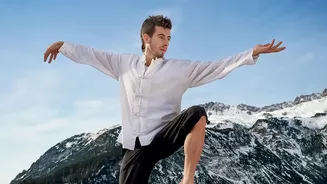
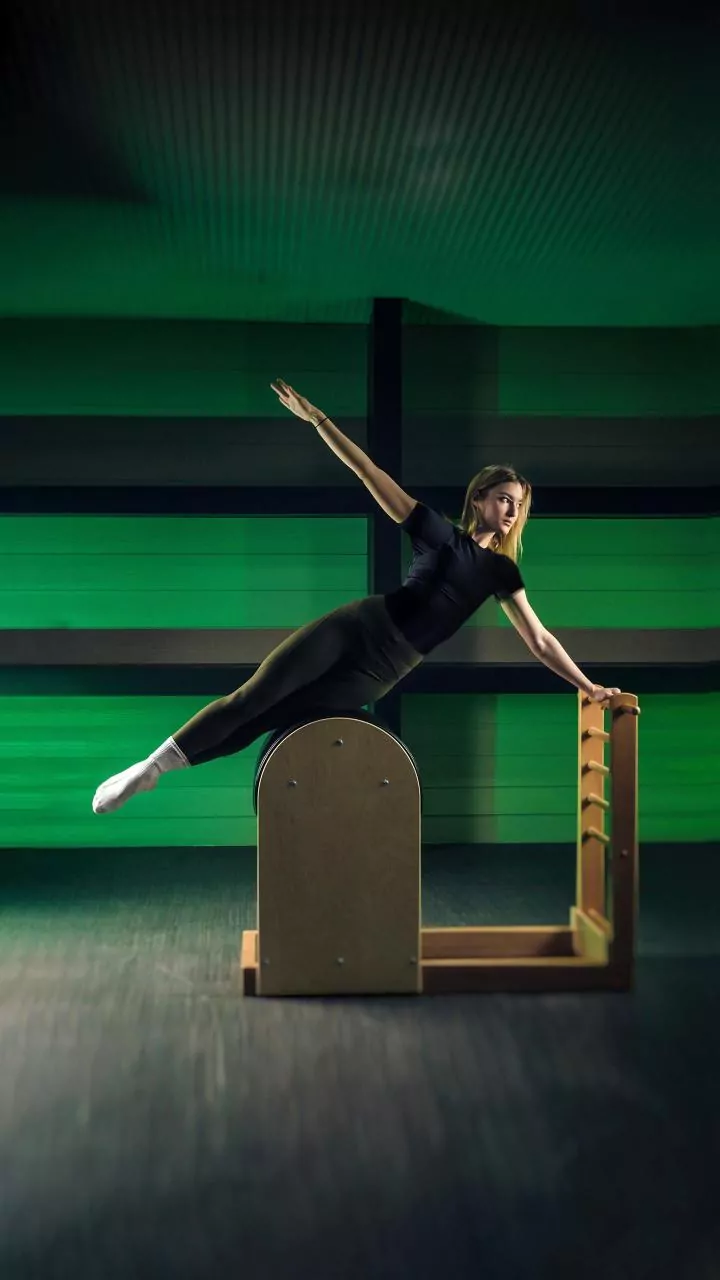
in space. Whether you're on a thin blade of steel on ice or standing on solid ground, your brain receives millions of signals from your muscles and joints. Skating challenges this system with high speed and an unstable surface, while Tai Chi challenges it through slow, controlled weight shifts that demand hyper-awareness. Both force the body to make constant, subtle corrections to keep the center of gravity over the base of support.
Skating's Reactive, High-Speed Corrections
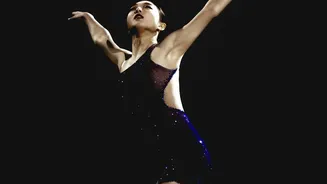
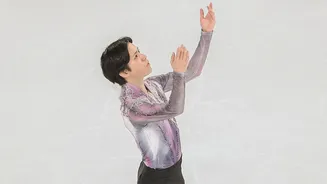
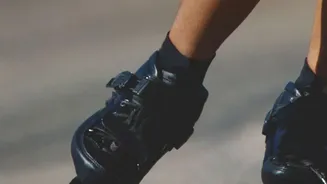
For a skater, balance is dynamic and reactive. Gliding on a thin blade, every tiny imperfection in the surface, every shift in momentum, and every turn requires an immediate, almost subconscious adjustment. This is where 'fast adjustments' are most obvious. Skaters keep their knees bent to lower their center of gravity and engage core muscles to maintain stability. The body learns to make split-second corrections by altering ankle pressure, shifting hip position, and using the upper body as a counterbalance. These adjustments are primarily a reaction to external forces—the skater is constantly adapting on the fly to a changing environment to maintain control and speed.
Tai Chi's Intentional, Internal Adjustments
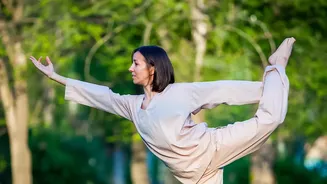
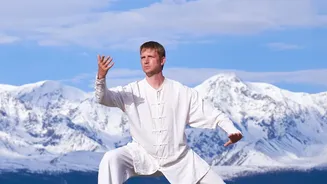
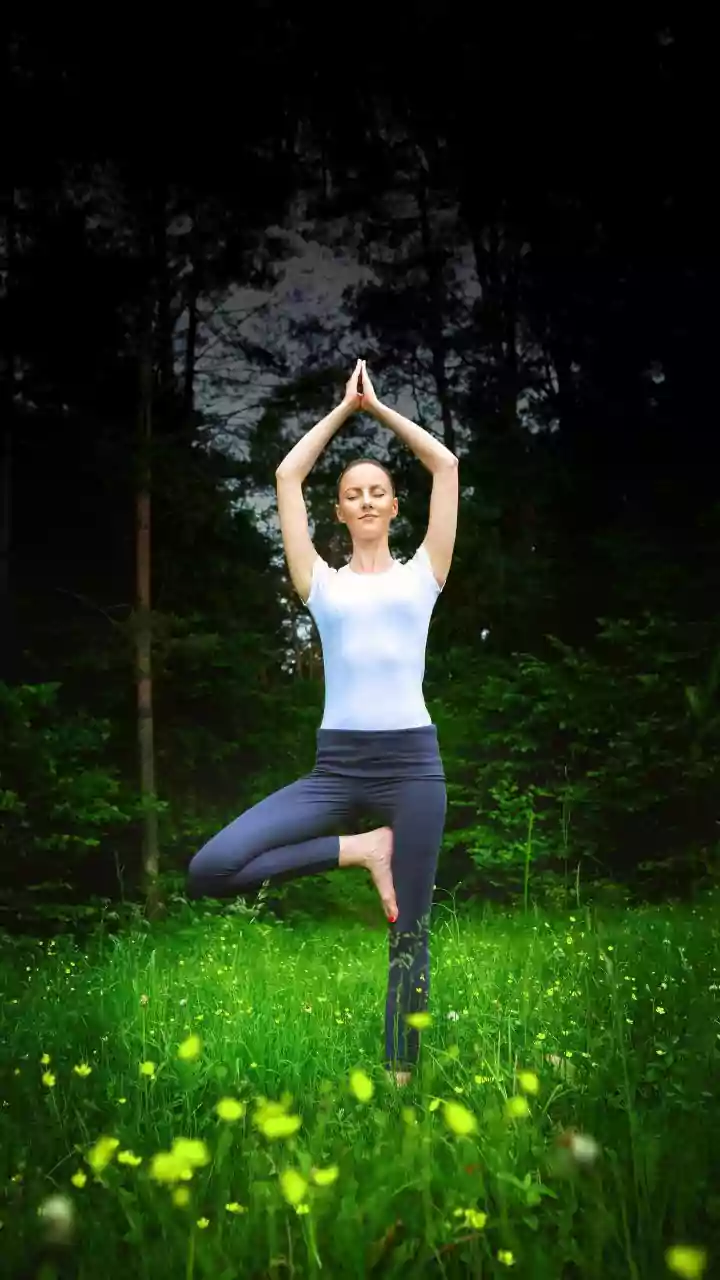
Tai Chi approaches balance from the inside out. While the movements appear slow, the internal adjustments are incredibly sophisticated. The practice teaches practitioners to become 'rooted' to the ground, creating a stable base from which to move. The 'fast adjustments' in Tai Chi are not about reacting to external chaos, but about making precise, intentional shifts in weight and alignment. Practitioners learn to move from their 'dantian,' or center, located in the lower abdomen. This develops a profound mind-body connection where even in slow motion, the body is learning to anticipate and manage force, improving its ability to recover from a potential stumble. While some styles incorporate explosive movements, the foundation is built on this slow, mindful training.
Mindfulness vs. External Focus
The mental state required for each discipline highlights a key difference. A skater's focus is often external: watching the path ahead, navigating other people, and responding to the immediate environment. Their body awareness becomes a tool to serve this external goal. In contrast, Tai Chi cultivates internal awareness. The focus is on the breath, the quality of movement, and the feeling of energy flow. This meditative aspect calms the mind and allows for a deeper connection to the body's subtle signals. However, both disciplines ultimately rely on a state of flow where the mind and body are perfectly synchronized, whether moving at high speed or in near stillness.
Yielding to Force vs. Overcoming It
Perhaps the most profound difference lies in their philosophy toward force. Skating is often about generating and managing force—pushing off for speed, leaning into a turn, and maintaining momentum. The adjustments help the skater dominate the physical challenges of friction and gravity. Tai Chi, rooted in Taoist philosophy and martial arts, is based on the principle of 'yielding'. Instead of meeting force with force, a practitioner learns to absorb and redirect it. The slow, circular movements train the body to be soft and responsive, allowing it to neutralize an opposing force with minimal effort. This teaches a different kind of resilience, one based on adaptability rather than rigid strength.