


A Tale of Two (or More) Airlines
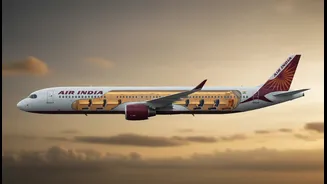
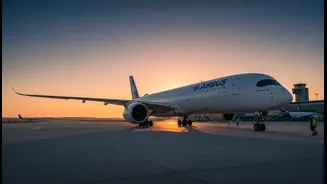
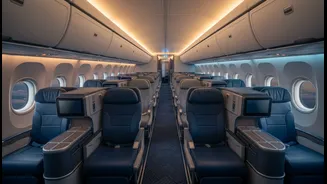
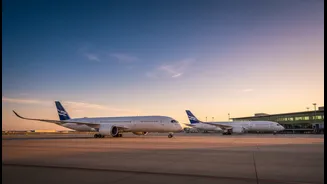
For today's Air India passenger, flying the airline can feel like a game of chance. One flight, from Delhi to London, might be on a brand-new Airbus A350 with private business class suites, large entertainment screens, and a modern, spacious feel. The
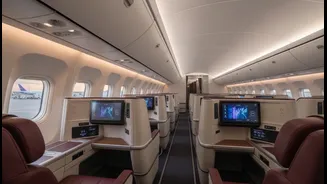
return journey, however, could be on an older, un-refurbished Boeing 777 with dated 2-3-2 business class seating, smaller screens, and a visibly tired interior. This stark inconsistency is the core operational challenge facing the airline. The fleet is a mix of cutting-edge new arrivals, recently acquired second-hand planes with different layouts, and a legacy fleet that is years, if not decades, behind modern standards. This inconsistency makes it difficult to build a coherent brand promise; when customers don't know what to expect, it's hard to earn their loyalty or command premium fares.
The $400 Million Gamble on Sameness
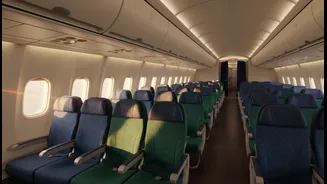
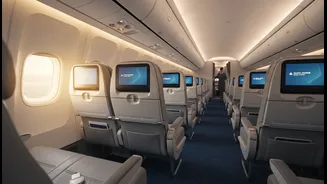
Recognising this, Air India, under Tata Group ownership, has launched one of the most ambitious fleet renewal and refurbishment programs in aviation history. Dubbed 'Vihaan.AI', the five-year transformation plan has a cornerstone project: a US$400 million investment to completely retrofit its legacy wide-body and narrow-body aircraft. The goal is to install new seats, modern inflight entertainment (IFE) systems, Wi-Fi, and updated cabin interiors across 40 wide-body (Boeing 777 and 787) and over 100 narrow-body (Airbus A320 family) aircraft. The first retrofitted B787 aircraft was unveiled in April 2026, showcasing new three-class cabins that will become the standard. This massive undertaking is about more than just aesthetics; it's a strategic imperative to create a consistent, predictable, and high-quality product that passengers can rely on, flight after flight.
The Logistical Mountain to Climb
While the vision is clear, the execution is a logistical nightmare. Every aircraft taken out of service for refurbishment is an aircraft that isn't flying passengers or generating revenue. The entire retrofit program for the legacy wide-body fleet is a multi-year effort, with the B787s scheduled for completion by mid-2027 and the B777s by late 2028, a timeline already adjusted due to supply chain delays. The process is painstaking, involving stripping cabins to the bone, installing thousands of new seats, kilometres of new carpeting and wiring, and getting it all certified. For example, retrofitting the first B787 took over 5,700 man-hours just for the exterior paint job. This complex, time-consuming work must be balanced with the airline's rapid network expansion and the constant pressure to maintain flight schedules.
From Fleet Size to Brand Promise
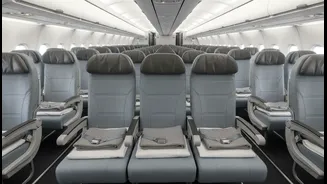
For years, the headline story of the new Air India was its colossal order for 470 new aircraft. But as CEO Campbell Wilson has emphasized, the focus is shifting from simply having planes to delivering a consistent experience on them. In an industry where competitors like Emirates and Singapore Airlines have built their reputations on product uniformity, Air India is playing catch-up. A strong, consistent brand experience does more than just please passengers; it builds trust and brand loyalty that can make price a secondary consideration. The introduction of a proper Premium Economy cabin across the fleet, for instance, is not just a new seat—it's a new product category that allows the airline to compete for a different segment of traveller. By August 2026, all flights to London Heathrow will feature new or upgraded interiors, a key milestone.
Building a Global Carrier, One Cabin at a Time
Ultimately, the quest for cabin consistency is central to Air India's ambition to become a true global aviation leader. It is the tangible proof of the Vihaan.AI transformation. While new planes like the A350 serve as halo products, the real test is elevating the entire fleet to that same standard. A passenger flying from Bengaluru to London should have the same high-quality experience as someone flying from Delhi to Toronto. Achieving this level of consistency will mean Air India is no longer just a carrier of necessity for Indians flying home, but a carrier of choice for global travellers. It signifies a shift from a government-owned entity to a competitive, customer-focused, and profitable global enterprise. The journey is long and expensive, but for Air India, creating a sky of sameness is the only path to fulfilling its promise.