




What is a Dirty Matcha?
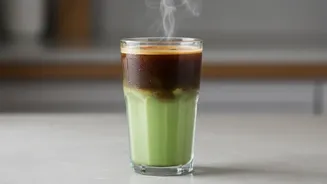
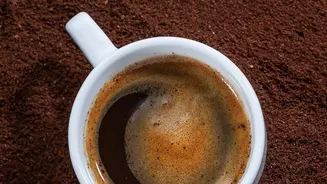
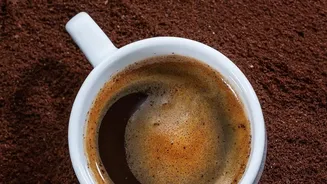
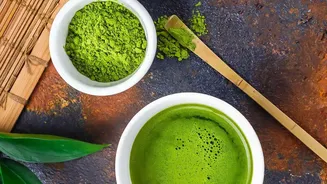
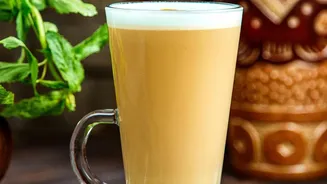
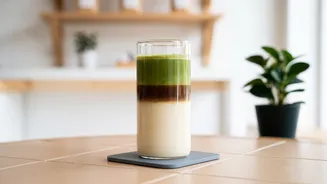
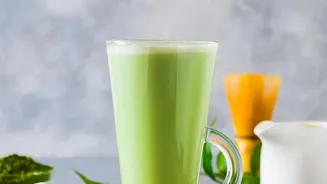
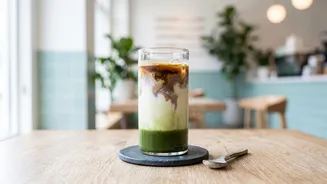
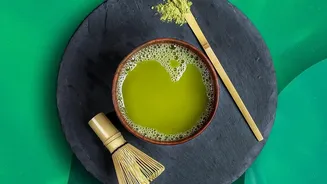
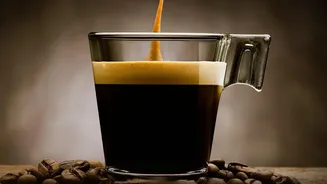
At its core, a dirty matcha is a simple yet potent combination: a matcha latte with a shot of espresso poured over the top. The term 'dirty' follows a café convention, like a 'dirty chai', where adding an espresso shot 'dirties' the original tea-based
drink. The result is a visually striking layered beverage, sometimes called a 'camo latte', that blends the earthy, umami flavour of matcha with the bold, rich notes of coffee. This drink gained significant popularity across Asia and on social media platforms for its unique taste and photogenic appearance.
Breaking Down the Caffeine
This is the crucial question for anyone mindful of their energy levels. A standard serving of matcha (about 1-2 grams of powder) typically contains between 60-70 mg of caffeine. A single shot of espresso adds another 60-80 mg. When you combine them, a single dirty matcha can easily contain 120-150 mg of caffeine. For perspective, that's roughly equivalent to a strong 8-ounce cup of drip coffee or almost two cans of Red Bull. This makes it a substantial dose of caffeine in one go, quickly using up a significant portion of the 300 mg daily limit recommended by the Indian Council of Medical Research (ICMR).
The L-Theanine Difference
Caffeine content isn't the whole story. The experience of drinking a dirty matcha feels different from a strong coffee because of a unique compound in matcha called L-theanine. This amino acid is known for promoting a sense of calm and focus. When combined with caffeine, L-theanine helps to smooth out the typical stimulant spike from espresso. Many people report a 'calm alertness'—a sustained, focused energy without the intense jitters or the subsequent crash that can sometimes accompany a strong coffee. The L-theanine essentially modulates the caffeine's effects, creating a more balanced and less jarring energy boost.
Taste, Texture, and Experience
The flavour of a dirty matcha is complex and can be an acquired taste. It marries the grassy, slightly sweet, and savoury notes of high-quality matcha with the bitter, acidic, and robust profile of espresso. When made well, the two flavours can complement each other, creating a rich and layered drink. However, using lower-quality matcha can result in an overly bitter taste when combined with coffee. The texture is typically creamy from the milk, with the distinct flavours of green tea and coffee vying for attention. Whether you find it delicious or dissonant often comes down to personal preference and the quality of the ingredients used.
Who Should Be Cautious?
While the L-theanine can soften the blow, a dirty matcha is still a high-caffeine beverage. Individuals who are sensitive to caffeine, pregnant, or have conditions like anxiety or high blood pressure should be particularly mindful. Consuming too much caffeine can lead to side effects like shakiness, digestive upset, increased heart rate, and disrupted sleep. Furthermore, the ICMR advises against consuming tea or coffee around mealtimes because compounds called tannins can interfere with the body's ability to absorb iron. As with any caffeinated drink, moderation and timing are key. It's best enjoyed earlier in the day to avoid interfering with your sleep.