

The Official Stance: A Scientifically Vetted Fuel
On paper, the transition to E20 fuel—a blend of 20% ethanol and 80% petrol—is a success story backed by rigorous science. The government, along with industry bodies like the Society of Indian Automobile Manufacturers (SIAM) and the Automotive Research
Association of India (ARAI), has stated that E20 was introduced after extensive testing. These evaluations reportedly covered everything from engine durability and material compatibility to vehicle performance and emissions. Major automakers have publicly supported the rollout, stating that their analysis of service data shows no significant increase in component failure or corrosion due to E20. According to the Ministry of Petroleum and Natural Gas, the fuel is not only safe for compatible vehicles but also offers benefits like improved acceleration and reduced carbon emissions. Manufacturers continue to honor warranties for new vehicles running on E20, reinforcing their confidence in the blend.
A Sudden U-Turn Creates Confusion
The narrative of a smooth transition was abruptly challenged in early August 2026. News emerged that SIAM had sent a letter to the government flagging a "huge increase" in damage to vehicle parts since the E20 rollout became mandatory. The letter specifically cited issues with fuel contamination, noting a rise in chloride and moisture levels in fuel samples, which can cause corrosion and failure of components like fuel pumps and injectors. However, just as this news caused alarm among consumers, SIAM retracted the communication. In a subsequent clarification, the industry body reaffirmed its full support for the E20 program, stating the data required further verification and that there was "no cause for concern." This sudden reversal has left many questioning the initial warning and has fueled speculation about the pressures at play behind the scenes.
Contamination vs. Compatibility: What's the Real Issue?
The controversy highlights two separate but related concerns for vehicle owners: fuel contamination and vehicle compatibility. The now-withdrawn SIAM letter focused on contamination—unwanted substances like water and chlorides getting into the fuel supply chain. Ethanol is hygroscopic, meaning it naturally attracts water, which can make contamination a bigger risk if storage and transport logistics are not meticulously managed. The second issue is compatibility. Ethanol can be more corrosive than petrol to certain rubber and plastic components used in older vehicles, such as gaskets, seals, and fuel lines. While official studies suggest legacy vehicles don't show significant abnormal wear, some reports acknowledge that prolonged use of E20 in non-compliant cars could accelerate the deterioration of these parts over time.
Is Your Vehicle E20-Ready?
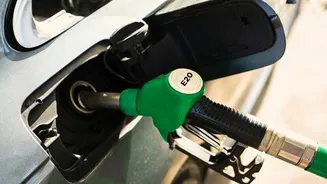
This is the most critical question for every petrol vehicle owner in India. The answer depends largely on the manufacturing date of your car or bike. As a rule of thumb, most vehicles manufactured in India since April 2023 are designed to be fully E20 compliant. Automakers are required to place a sticker, usually on the fuel filler cap or in the owner’s manual, clearly stating that the vehicle is compatible with E20 fuel. For vehicles made before this period, the situation is less clear. While the government and industry state that even many older, non-certified vehicles can run on E20 without significant issues, they may experience a slight drop in mileage, typically between 3-5%. If you own an older vehicle and are unsure about its compatibility, checking with the manufacturer's official service center is the safest course of action.
What Drivers are Experiencing
Despite the official assurances, a growing number of drivers have taken to social media and consumer forums to report problems they attribute to E20 fuel. Common complaints include a noticeable drop in fuel efficiency, engine misfires, and a general feeling of reduced power. While these reports are largely anecdotal, they have gained momentum, especially after a consumer court in Raipur recently ruled in favor of a customer, ordering Maruti Suzuki to replace a vehicle allegedly damaged by E20 fuel. This has created a gap between the scientifically validated position of the government and the lived experience of some vehicle owners, leaving many unsure of who to believe.