



1. The Reverse Plank
While traditional planks focus on the front of your body, the reverse plank targets the entire posterior chain. This includes your lower back, glutes, and hamstrings, muscles that are crucial for good posture and preventing lower back pain. To perform
it, sit on the floor with your legs extended in front of you. Place your hands on the floor behind you, fingers pointing toward your feet. Press into your palms and lift your hips until your body forms a straight line from your shoulders to your heels. Keep your core and glutes engaged. It's a fantastic way to counterbalance all the forward-facing work we do in daily life, from sitting at a desk to driving. Strengthening these posterior muscles helps create a more balanced and resilient physique.
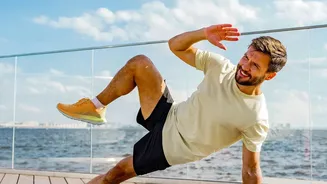
2. The Side Plank with Hip Dip
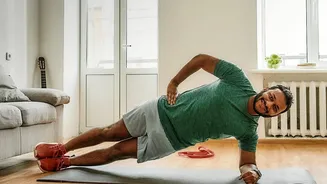
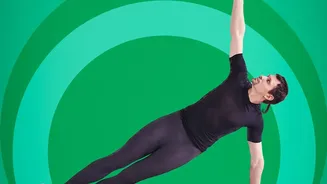
The standard side plank is excellent for the obliques, the muscles running along the sides of your torso. Adding a hip dip introduces a dynamic element that increases the challenge and reward. Start in a side plank position, propped up on your forearm with your elbow directly under your shoulder and your feet stacked. From here, lower your bottom hip until it nearly touches the floor, then lift it back up to the starting position. This movement specifically targets the gluteus medius, a key stabilizing muscle in the hip, along with your obliques. A strong gluteus medius is vital for pelvic stability and can help prevent knee injuries. The dip adds a greater range of motion, forcing your core to work harder to control the movement.
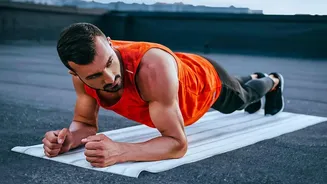
3. The Bird-Dog Plank
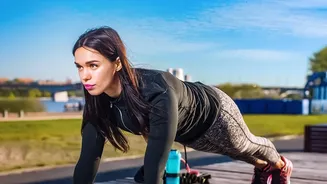
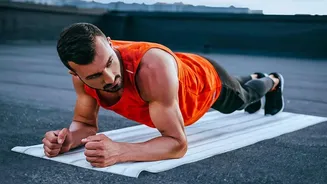
Also known as a plank with arm and leg raise, this variation is a masterclass in stability and control. It challenges your body to resist rotation, which is a primary function of your deep abdominal muscles, including the transverse abdominis. Begin in a high plank position on your hands and toes. Keeping your core tight and your hips level, slowly extend one arm straight forward and the opposite leg straight back. Hold for a moment, focusing on keeping your body as still as a tabletop, before returning to the start and switching sides. This exercise builds functional core strength that translates directly to everyday life and sports by training the muscles that stabilize the spine.
4. The Plank with Knee Tuck
If you want to intensely target your lower abdominals, the plank with a knee tuck is your move. This dynamic exercise forces your deep core muscles to contract powerfully. From a high plank position, engage your abs and draw one knee in towards your chest, aiming to bring it as close as you can without letting your hips sag or rise. Some variations involve bringing the knee to the opposite elbow, which adds a twisting motion that engages the obliques even more. This movement is more advanced and requires a solid foundation of core stability to perform correctly and avoid placing strain on the lower back. It effectively combines a static hold with a dynamic crunch, increasing both strength and endurance in the entire abdominal wall.
5. The Plank Jack
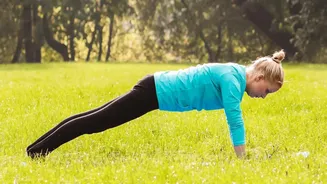
For those looking to add a cardiovascular element to their core work, the plank jack is a perfect fit. This exercise elevates your heart rate while simultaneously demanding core and glute stability. Start in a high plank position with your hands directly under your shoulders and your feet together. Keeping your core braced and your upper body still, jump your feet out to a wide position, and then jump them back together. The key is to prevent your hips from bouncing up and down. Your glutes and deep abs have to work overtime to keep your torso stable as your legs move. This makes it a highly efficient exercise, building core strength, glute stability, and cardiovascular endurance all at once.