





The Allure of Peppermint for Headaches
Peppermint has been used for centuries to soothe ailments, and headaches are high on that list. The magic ingredient is menthol, which makes up a significant portion of peppermint's essential oil. When applied to the skin, menthol triggers cold-sensing
receptors, creating a cooling sensation that can feel like a welcome distraction from pain. This effect, known as counter-irritation, essentially gives your brain a new, non-painful sensation to focus on. Some limited research suggests that this mechanism, combined with an ability to relax muscles and improve blood flow, may help ease tension headaches. In fact, some studies found topical peppermint oil preparations to be as effective as common over-the-counter pain relievers for tension headaches.
Tea Compress vs. Essential Oil
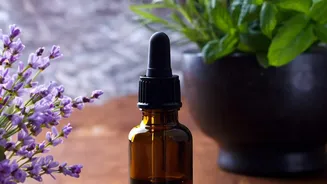
It's crucial to understand the difference between peppermint tea and peppermint essential oil. Most studies on headache relief use concentrated peppermint oil, often in a 1.5% to 10% dilution. Essential oils are highly potent and should never be applied directly to the skin without being diluted in a carrier oil like coconut or jojoba. The headline, however, specifies a peppermint tea compress. Tea is significantly more diluted and therefore generally gentler than its essential oil counterpart. While there is less direct scientific evidence for using tea compresses, the principle remains the same: to deliver a mild amount of menthol to the skin for its cooling, soothing effect. Think of it as a much milder version of the treatments used in studies.
The Major Risk: Skin Irritation
The popular phrase 'natural is not always harmless' is especially true here. The primary risk of applying any peppermint product to the skin is irritation. For some individuals, contact with peppermint can cause redness, itching, a burning sensation, or even a blistering rash known as contact dermatitis. An allergic reaction is also possible, which can manifest as hives or swelling. These reactions are often due to a sensitivity to menthol. Because the skin on your face and neck is more delicate than on other parts of your body, you should be particularly cautious when applying a compress to your forehead or temples.
Who Should Be Extra Cautious?
Certain individuals should avoid using peppermint topically or consult a doctor first. Peppermint oil should never be applied to the face or chest of infants or young children, as inhaling the potent menthol can cause serious breathing problems. People with very sensitive skin or existing skin conditions like eczema may be more prone to irritation and should steer clear. Anyone with a known allergy to mint or menthol should obviously not use this remedy. While peppermint tea is generally considered safe during pregnancy, the safety of topical applications is less clear, so it's wise to consult a healthcare provider.
Your Safety Step: The Patch Test
Before you place a peppermint compress on your forehead, a patch test is non-negotiable. This simple step can save you from a widespread and uncomfortable skin reaction. First, prepare your cooled peppermint tea. Apply a small amount to a discreet patch of skin, like your inner forearm. Cover it with a bandage and wait for 24 to 48 hours. If you notice any redness, itching, swelling, or any other signs of irritation during that time, do not proceed with the compress. If your skin shows no reaction, it should be safe to use.
How to Prepare a Safe Compress
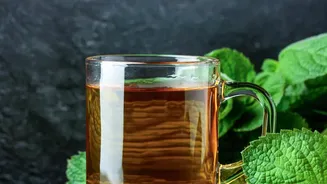
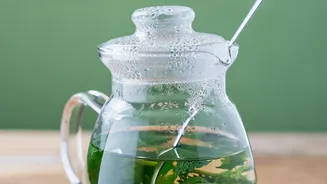
If you've done a successful patch test and want to proceed, here’s how to do it safely. Brew a strong cup of peppermint tea using one or two teabags (or a tablespoon of loose leaves) and let it steep for about 10 minutes. The most important step is to allow the tea to cool down completely until it's at a comfortable, lukewarm temperature. Never use hot tea for a compress, as you risk burning your skin. Once cooled, soak a clean, soft cloth in the tea, wring out the excess liquid, and apply the damp cloth to your forehead, temples, or the back of your neck for 10-15 minutes.