



An Exodus of Expertise
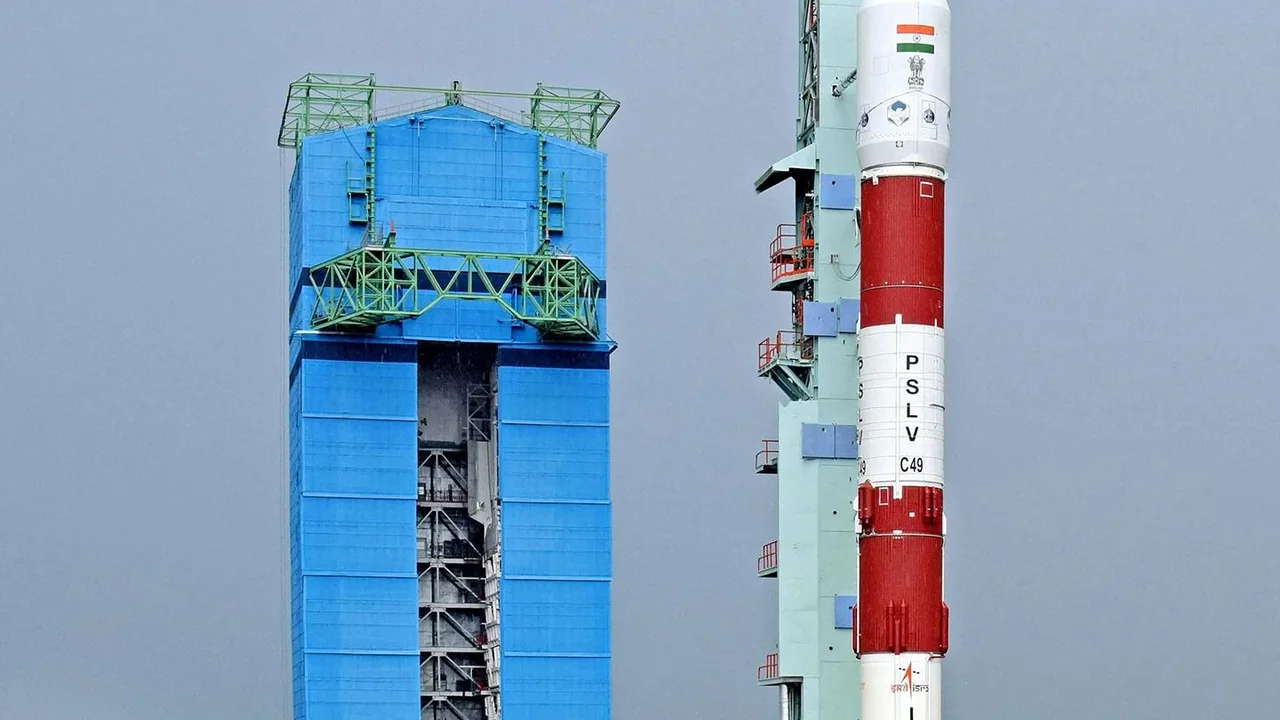
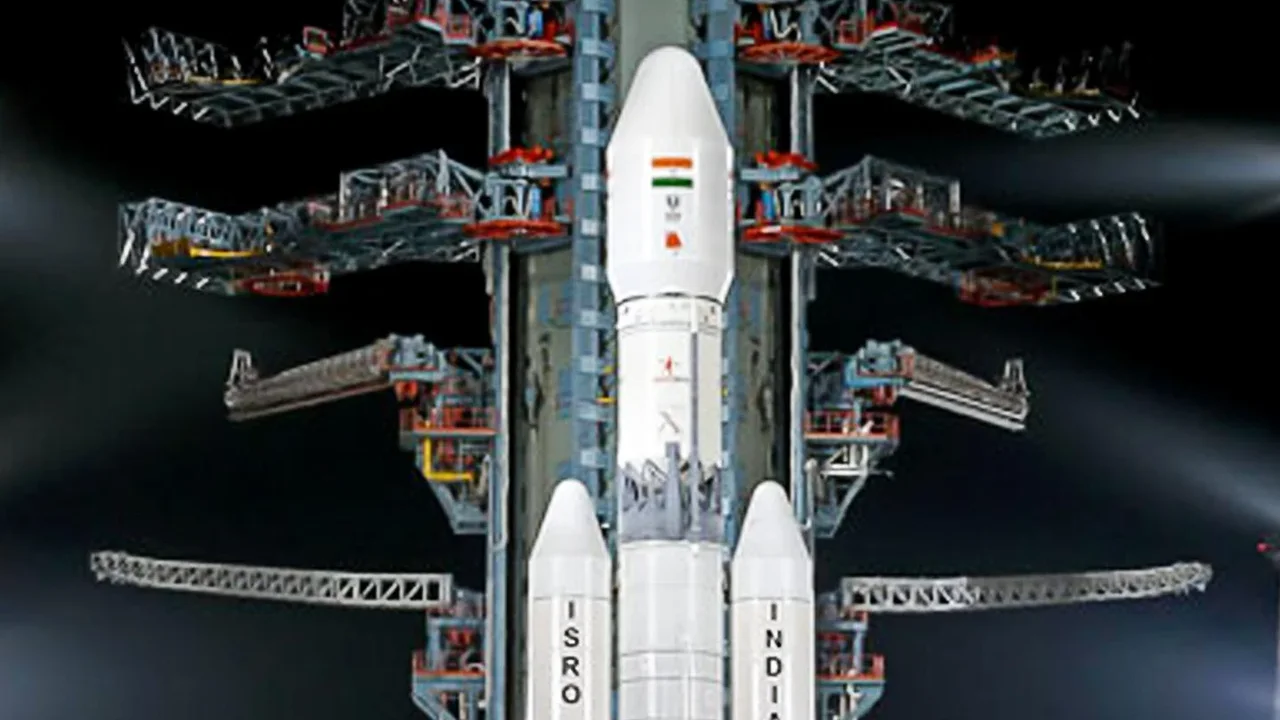
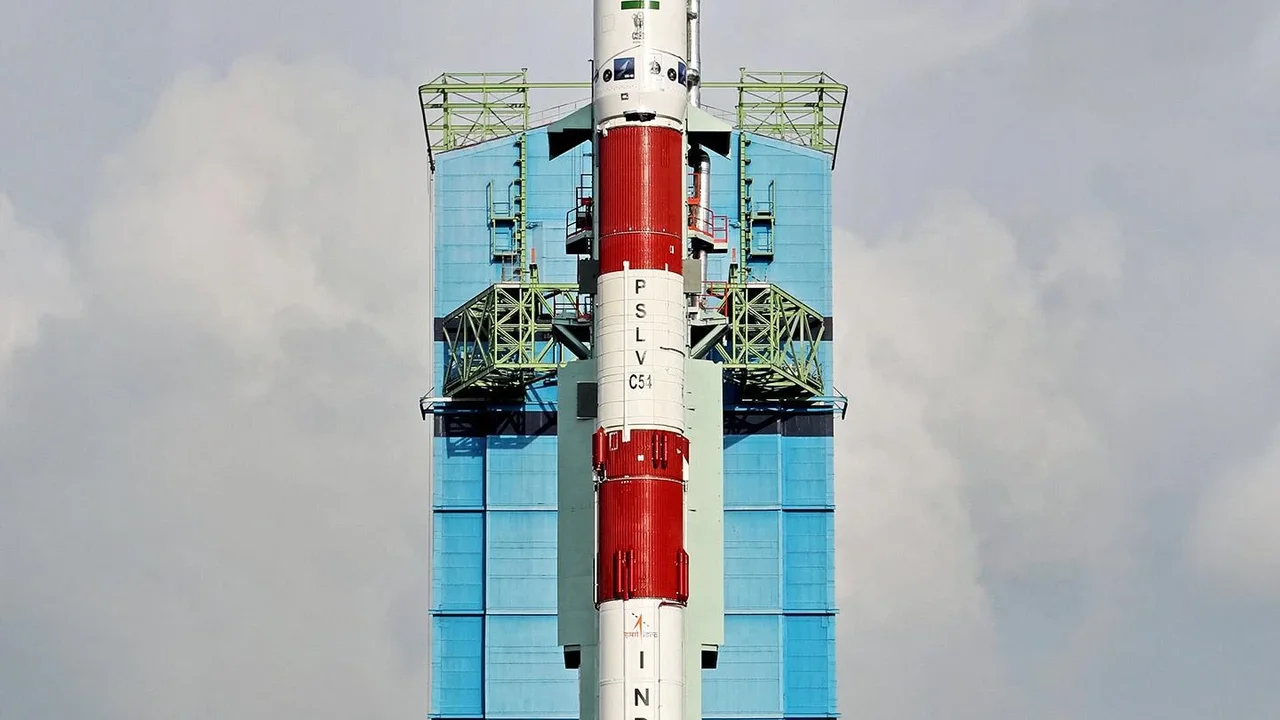
Recent reports indicate that between 100 and 120 scientists and engineers have resigned or taken voluntary retirement from the Indian Space Research Organisation (ISRO) in just the last few months. This isn't just a trickle; it's a significant outflow
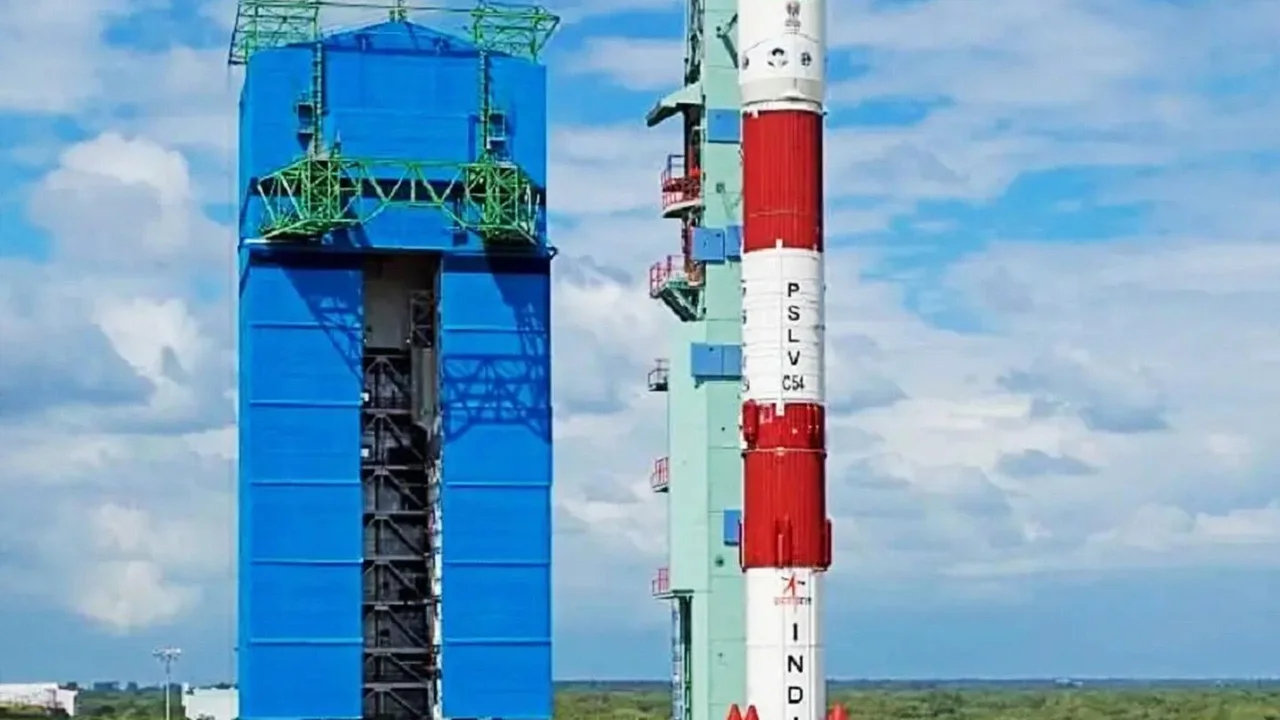
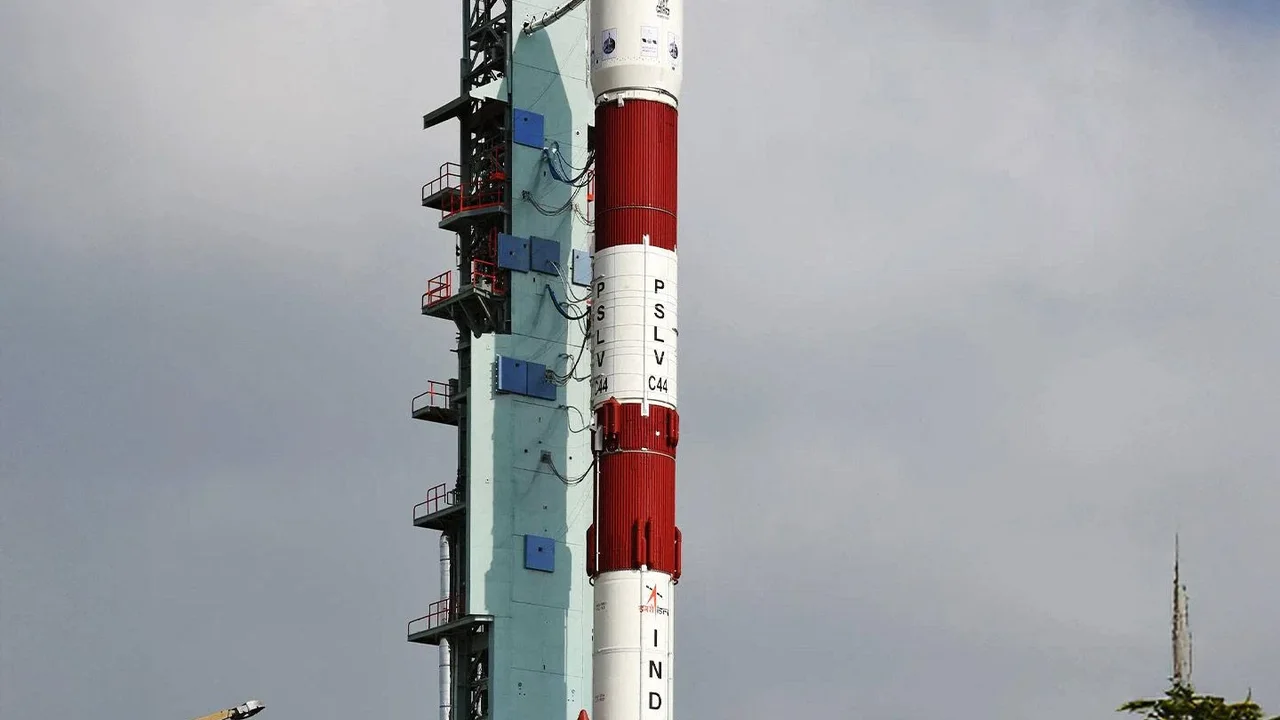
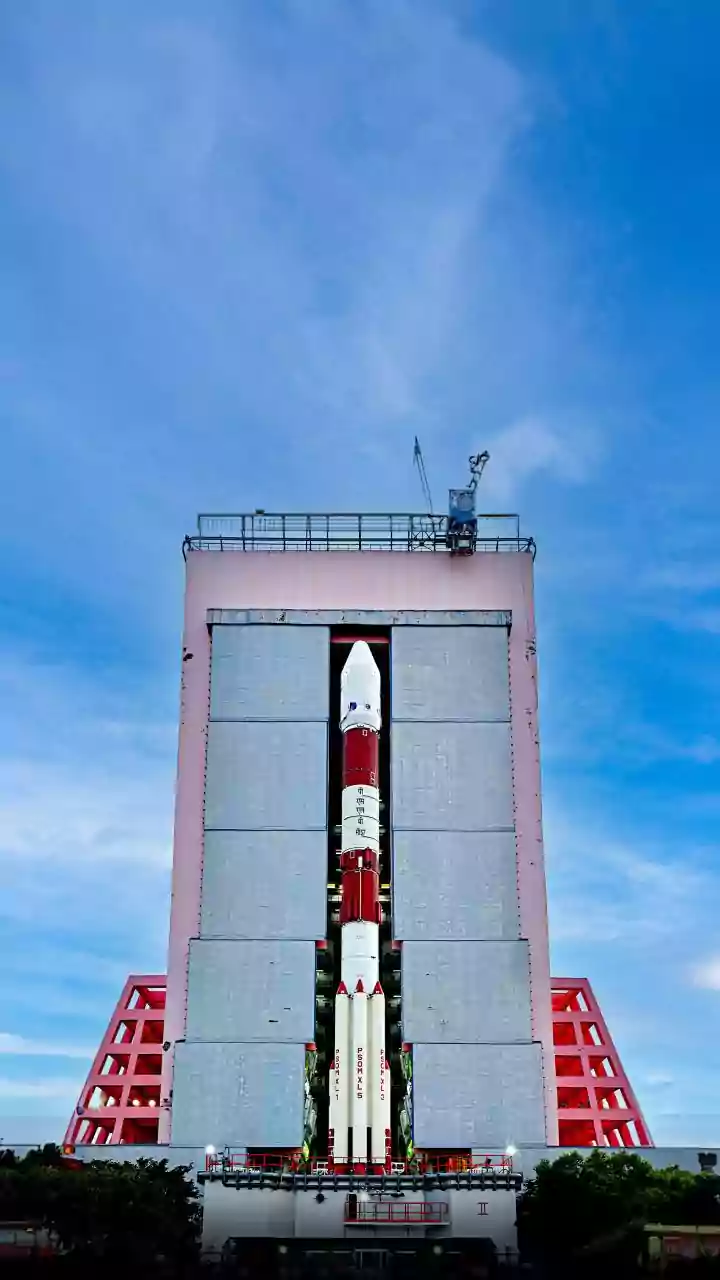
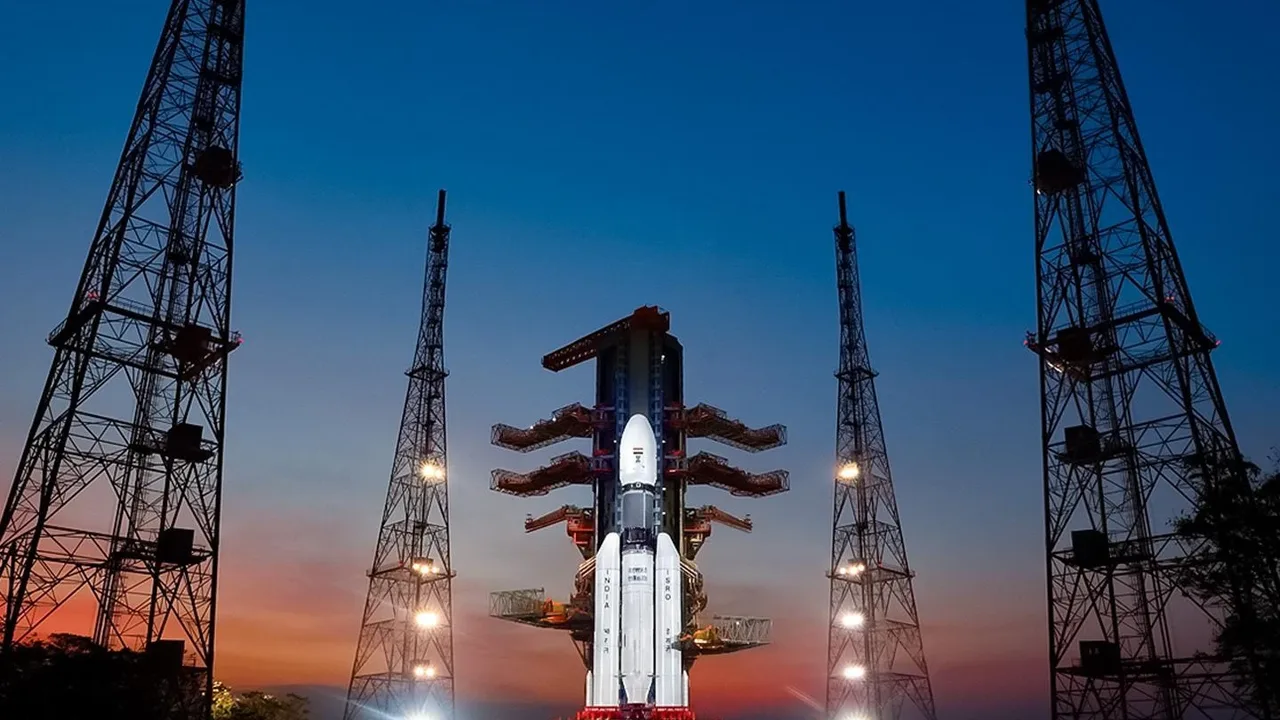
of talent that has prompted the Department of Space (DoS) to take notice. The departures are reportedly concentrated in key centres, with the U R Rao Satellite Centre (URSC) in Bengaluru losing around 80 personnel and the Vikram Sarabhai Space Centre (VSSC) in Thiruvananthapuram seeing about 20 exits. Among those leaving are senior figures, including project directors for the LVM3 heavy-lift rocket and the SpaDeX space docking experiment, as well as a key scientist from the triumphant Chandrayaan-3 mission.
The Government's New Rules
In response, the Department of Space issued a memorandum on July 14, 2026, effectively tightening the exit protocol for scientists. This new directive reverses a 2020 policy that had empowered individual ISRO centre directors to approve resignations for many scientific staff. Under the revised rules, requests for resignation or voluntary retirement from Group 'A' personnel working on critical projects, especially the Gaganyaan human spaceflight mission, will no longer be approved routinely. Instead, all such applications must be forwarded to the DoS in Delhi for a final decision. The memo explicitly states that the “spate of requests” has been “severely impacting the implementation of projects of national importance.”
The Pull of the Private Sector
So, why are so many scientists choosing to leave what many consider a dream job? The primary driver is the explosive growth of India's private space industry. Since the sector was opened to private participation in 2020, over 400 space startups have emerged, attracting significant investment. Companies like Skyroot Aerospace, Agnikul Cosmos, and Pixxel are now competing directly with ISRO for the same talent pool. These private firms often offer significantly higher salaries—sometimes two to three times what ISRO provides—along with stock options, faster career progression, and a more agile work environment with less bureaucracy. For many, the opportunity to lead projects and develop technology from the ground up in a startup environment is a powerful lure.
A Brain Drain or a Growing Ecosystem?
The departures have raised fears of a 'brain drain' that could hamper ISRO's ambitious future missions, including Gaganyaan and Mangalyaan-2. The loss of experienced personnel represents a loss of institutional knowledge that is difficult to replace, especially as ISRO is already operating with thousands of vacancies against its sanctioned strength. However, some analysts offer a different perspective. They argue that this talent migration is not a crisis but a sign of a maturing space ecosystem. As ISRO-trained scientists move into the private sector, they help build a robust domestic industry, which is essential for India's long-term goal of becoming a $44 billion space economy by 2033. The challenge for ISRO is adapting to its new role as an incubator of talent for a much larger national enterprise.
The Road Ahead for ISRO
While government officials have sought to downplay the severity of the situation, the new exit rules signal a clear concern. ISRO Chairman V Narayanan has acknowledged the departures but stated that the organisation is prepared to manage the transition and ensure that projects do not suffer. However, simply making it harder for scientists to leave is unlikely to be a long-term solution. Critics and former employees point to internal issues like slow promotions, bureaucratic hurdles, and high-pressure deadlines as contributing factors that need to be addressed. To remain the premier destination for India’s brightest minds, ISRO may need to evolve its work culture and compensation structures to compete in this new, dynamic landscape that it helped create.