






The Morning Meal Makeover
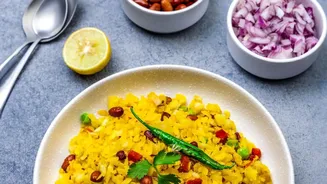
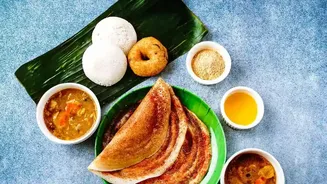
For generations, the Indian breakfast has been a comforting landscape of poha, idlis, upma, and parathas. Delicious and culturally significant, these meals are often rich in carbohydrates, providing a quick burst of energy. However, a growing awareness
around nutrition and wellness is prompting a rethink. Many people are now 'protein-loading' their first meal, a trend that prioritises protein to set a different tone for the day. This isn't about dieting in the traditional sense, but about optimising energy and fullness. The goal is to move away from the blood sugar spike and subsequent crash that can follow a carb-dominant meal, which often leaves you feeling sluggish and reaching for snacks long before lunch.
Why Protein Gets the Spotlight
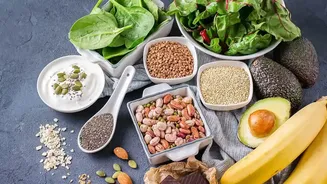
The science behind this shift is compelling. Protein is the most satiating of the three macronutrients (the other two being fats and carbs). A breakfast rich in protein helps you feel fuller for longer by influencing hormones that regulate appetite. This can naturally lead to consuming fewer calories throughout the day. Beyond just appetite control, a protein-first breakfast helps stabilise blood sugar levels, providing a steady, sustained release of energy instead of a short-lived rush. This translates to better focus, improved mood, and consistent productivity through the morning. It also provides the essential amino acids needed for muscle repair and maintenance, which is crucial for everyone, not just gym-goers.
From Old Staples to New Twists
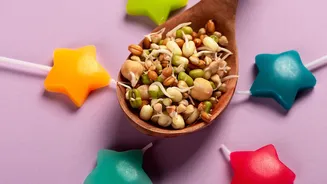
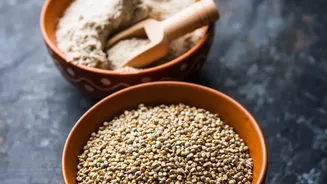
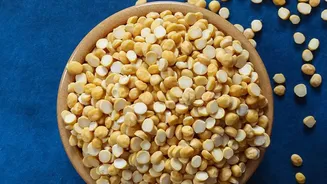
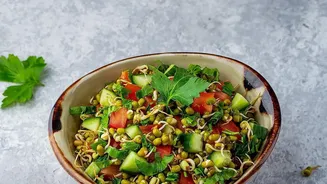
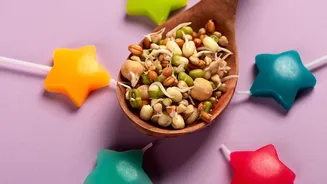
This trend isn't about abandoning Indian cuisine; it's about reimagining it. Many traditional breakfast dishes are already well-positioned. A moong dal chilla, for instance, naturally packs a good protein punch, often more than eggs. The change is seeing these options, along with others like besan cheela, paneer bhurji, and sattu parathas, gain renewed popularity. The innovation lies in the 'upgrades'. Poha and upma are being fortified with peanuts, sprouts, or paneer. Dosa and idli batters are being made with higher ratios of dal or with millets like ragi. The humble bowl of curd is being swapped for thicker, protein-dense Greek yoghurt, often paired with nuts and seeds. These simple swaps significantly increase the protein content, which is often under 10 grams in a typical carb-based breakfast, to a more optimal 20-30 grams.
Cafes and Companies Catch On
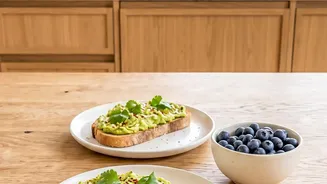
The food industry has been quick to respond to this surging consumer interest. Quick commerce platforms report a massive spike in orders for protein-rich foods, from staples like eggs and paneer to newer products like Greek yoghurt and protein bars. This demand isn't just confined to metros; it's growing even faster in smaller cities, signalling a nationwide dietary shift. In response, cafes and restaurants are revamping their menus. You're now more likely to see 'high-protein' sections, with dishes like tofu scrambles, quinoa upma, and smoothie bowls. Major brands are launching protein-fortified versions of everyday products, from breakfast mixes and dosa batters to coffee and milk, making it easier than ever for consumers to up their morning protein intake without drastic changes to their habits.