








The Perfect Season for a Perfect Trip
The 'cooler travel season' in Bengal, which runs from October to March, is undoubtedly the best time for this dual-destination tour. During these months, the weather is pleasantly cool and dry, with temperatures typically ranging from 10°C to 28°C. This
comfortable climate makes long boat safaris in the Sundarbans enjoyable and exploration of Kolkata's bustling streets a delight. More importantly, wildlife activity in the Sundarbans peaks during this period. The winter sun encourages crocodiles to bask on the riverbanks and increases the chances, however slim, of spotting the elusive Royal Bengal Tiger. It is also the prime season for birdwatchers, as a host of migratory birds flock to the region.
Part 1: The Wild Heart of the Mangroves
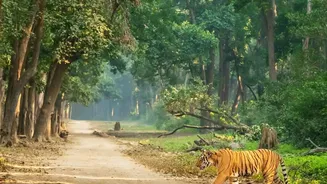
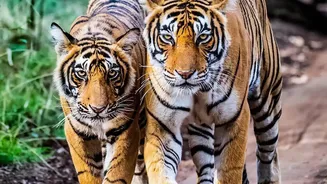
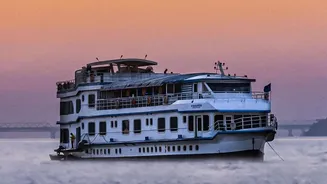
The journey to the Sundarbans, the world's largest mangrove forest and a UNESCO World Heritage Site, typically begins from Kolkata. Most travellers hire a car or join a tour that arranges transport for the 3-4 hour drive to a jetty like Godkhali, the main gateway to the forest. From there, your adventure transitions to water. A typical tour spans 2 nights and 3 days, which is ideal for immersing yourself in the unique ecosystem. Your days will be spent on a motorboat, cruising through a labyrinth of tidal rivers and narrow creeks. Licensed guides are mandatory and will help you spot wildlife from designated watchtowers at places like Sajnekhali, Sudhanyakhali, and Dobanki. While the Royal Bengal Tiger is the star attraction, sightings are rare and never guaranteed. Instead, focus on the abundant life that is readily visible: spotted deer grazing near the forest edge, massive estuarine crocodiles, wild boars, and a stunning variety of kingfishers and other birds.
Part 2: The Soul of Kolkata's Artistry
After the wilderness, it's time to dive into the cultural core of North Kolkata at Kumartuli, the traditional potters' quarter. This isn't just a marketplace; it's a living, breathing outdoor studio where generations of artisans, known as 'Kumors', craft magnificent idols from clay. While Kumartuli is famous for creating thousands of idols for Durga Puja, the workshops are active year-round, producing deities for various other festivals. Wandering through the narrow, winding lanes of Banamali Sarkar Street, you can witness the entire creation process—from the initial straw framework to the final, expressive brushstrokes. The best way to reach Kumartuli is by taking the Metro to Shobhabazar-Sutanuti station, from where it's a short walk. Visiting in the morning offers fewer crowds and better light for photography, allowing for more meaningful interactions with the artists as they work.
Crafting a Seamless Itinerary
To combine these two experiences, plan for a trip of at least five to six days. A good approach is to dedicate three days to the Sundarbans and two full days to Kolkata. Most Sundarbans tour operators offer pick-up and drop-off from Kolkata, making the logistics smooth. You can start your Bengal adventure with the Sundarbans trip. Upon returning to Kolkata on the third day, check into a hotel and rest. Spend the next day exploring Kumartuli in the morning, and in the afternoon, visit nearby heritage sites like the Sovabazar Rajbari or take a serene walk along the Bagbazar Ghat on the Hooghly River. Your final day can be dedicated to other iconic Kolkata landmarks like the Victoria Memorial or the Indian Museum before your departure. This structure allows you to transition from the tranquil, rustic pace of the mangroves to the vibrant, creative energy of the city without feeling rushed.
Essential Travel and Packing Tips
For a comfortable and safe journey, packing appropriately is key. For the Sundarbans, light woollens are advisable for the chilly mornings and evenings on the boat. Essential items include insect repellent, sunscreen, sunglasses, a hat, and a good pair of binoculars for wildlife spotting. Always carry a valid photo ID, as it is required for forest entry permits. When visiting Kumartuli, wear comfortable walking shoes to navigate the uneven lanes. Remember that you are entering artists' workspaces, so always be respectful and ask for permission before taking close-up photographs of them or their art. Finally, whether on a boat or in the city, keep a reusable water bottle handy to stay hydrated and minimise plastic waste in these precious environments.