

Start with the '70s Earth Tones
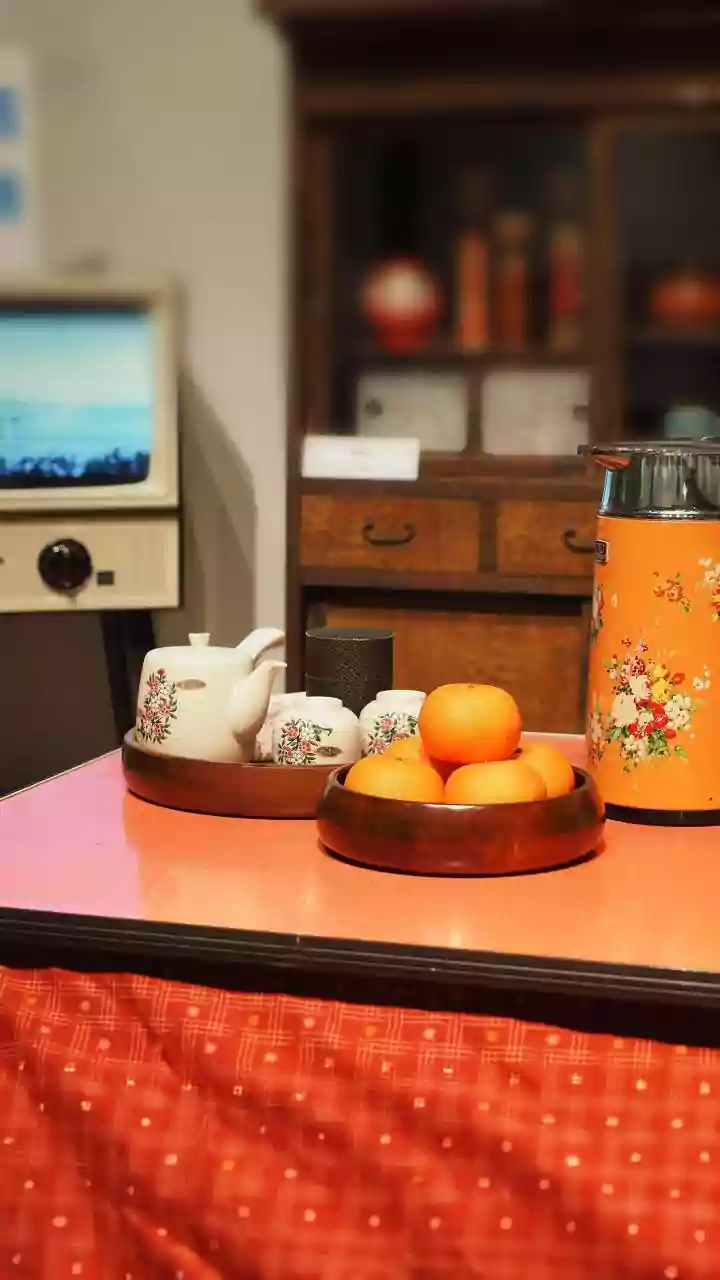
The earthy palette of the 1970s is one of the most popular vintage trends, and for good reason. These colours—think mustard yellow, avocado green, burnt orange, and rich chocolate brown—are warm, grounding, and deeply comforting. They were originally
inspired by a desire to connect with nature, a feeling that still resonates today. The easiest way to introduce these colours is through textiles. A mustard yellow velvet cushion, a burnt orange throw blanket, or a rug that combines these earthy hues can instantly warm up a neutral space. These items add a layer of texture and colour without the commitment of painting, allowing you to experiment with the palette. Don't be afraid to mix and match these shades; they are designed to work together harmoniously.
Embrace Mid-Century Modern Pops
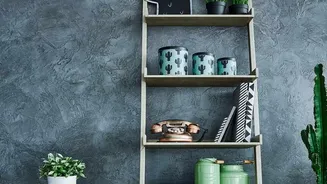
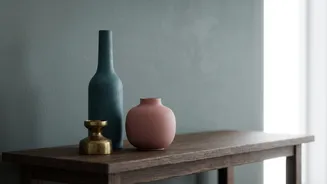
If the earthy '70s vibe isn't for you, consider the optimistic and playful colours of the mid-century modern era. This palette often features bold accent colours like teal, cherry red, and sunny yellow, balanced by warm wood tones and calmer neutrals. The key to making this look modern is to use these vibrant shades as accents rather than overwhelming the entire room. A single armchair upholstered in a striking teal, for example, can become a beautiful focal point. Alternatively, look for smaller decor items like ceramic vases, lamps, or statement art that feature these punchy colours. Paired with a neutral base of warm white, beige, or grey, these pops of colour feel intentional and stylish, not dated.
Create an Accent Wall
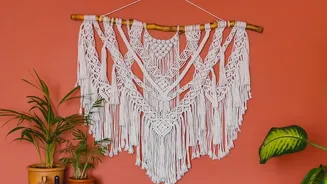
For a more dramatic but still manageable update, an accent wall is a classic technique. This allows you to embrace a rich vintage colour without it dominating your space. A deep olive or avocado green wall can create a moody, cocooning atmosphere in a bedroom or study, especially when paired with natural wood furniture. A wall painted in a warm terracotta or burnt orange can make a living room feel instantly more inviting. When choosing a colour, consider the room's lighting and existing furniture. These saturated hues work best when balanced by lighter elements elsewhere in the room. Modern interpretations of these vintage colours are often slightly more muted or refined, which helps them feel fresh and sophisticated.
Incorporate Through Furniture and Wood Tones
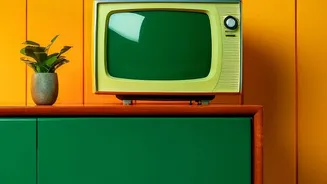
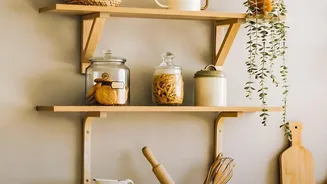
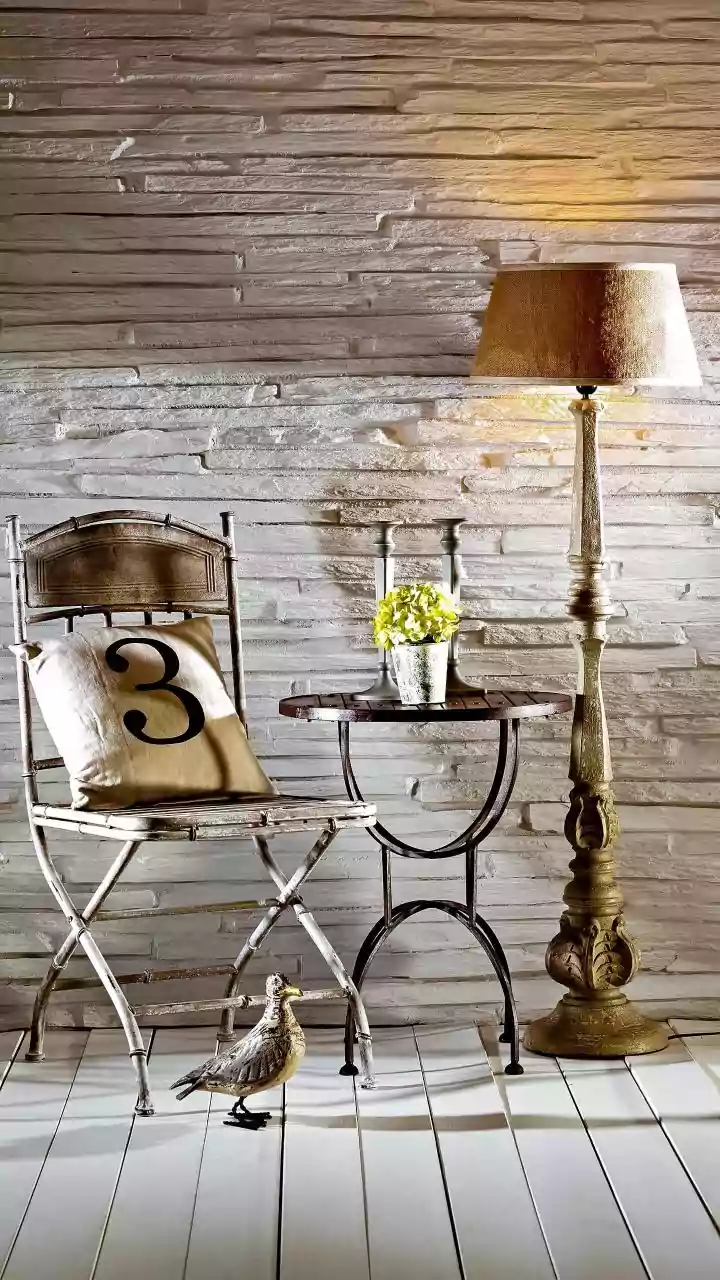
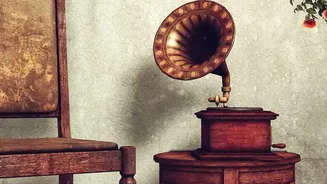
Vintage design, particularly from the mid-century and '70s periods, placed a strong emphasis on natural materials. Dark wood tones like walnut and teak were central to the look and are considered a key part of the colour palette. You can introduce this element with a single piece of furniture, such as a sideboard, coffee table, or bookshelf. The warm, rich tones of the wood provide a perfect anchor for other vintage colours. You can also find painted vintage or retro-style furniture. A mustard-coloured cabinet or a set of moss green dining chairs can add personality and a playful nod to a bygone era. Upcycling a piece you already own with a coat of chalk paint is another fantastic, low-cost way to experiment with these colours.
Layer with Patterns and Textures
Colour is only one part of the vintage aesthetic; texture and pattern play an equally important role. Look for textiles that evoke a sense of nostalgia, like corduroy, bouclé, or velvet. A brown corduroy sofa paired with green and orange cushions is a classic '70s combination. Geometric patterns were also a hallmark of the era and can be easily introduced through rugs, curtains, or wallpaper. For a softer touch, floral patterns on a faded, parchment-like background can create a charming, nostalgic feel. Mixing these patterns and textures with your chosen vintage colours adds depth and character, making your space feel curated and personal, as if it has evolved over time.