




Luchi and Alur Dom
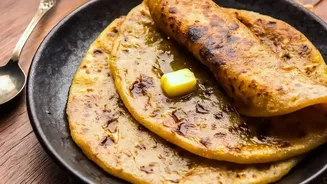
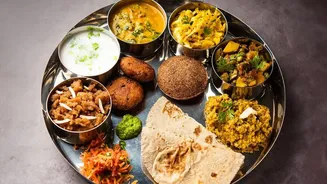
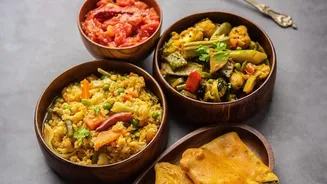
A festive Bengali breakfast often begins with Luchi and Alur Dom. Luchi are soft, white, deep-fried puffed breads made from maida (all-purpose flour) that are lighter than their whole-wheat counterparts, puris. They are the perfect vessel for scooping
up Alur Dom, a flavourful and often spicy potato curry. The potatoes are typically boiled, then simmered in a gravy fragrant with ginger, tomato, and a blend of spices. While recipes vary, the combination of fluffy bread and comforting, spiced potatoes is a quintessential start to a day of pandal hopping and celebration.
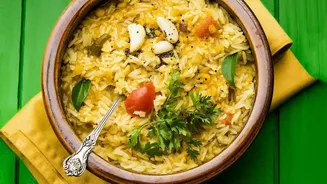
Bhoger Khichuri
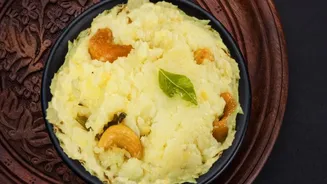
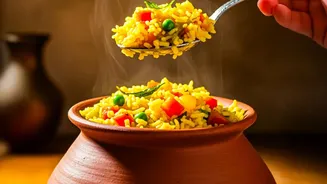
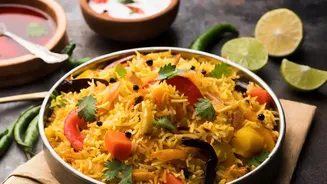
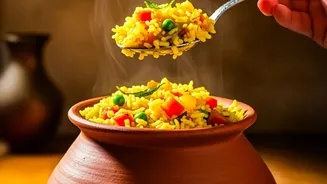
No Durga Puja experience is complete without Bhoger Khichuri, the sacred offering distributed to devotees at community pandals. This isn't just any khichdi; it's a rich, aromatic, and deeply comforting dish made with roasted moong dal and fragrant gobindobhog rice. Cooked without onion or garlic, its flavour comes from ginger and a medley of whole and ground spices, often enriched with vegetables like cauliflower, potatoes, and green peas. Served hot, usually alongside a mixed vegetable dish called labra and fried eggplant (beguni), this community meal embodies the spirit of sharing and devotion that defines the festival.
Kosha Mangsho
For non-vegetarians, a celebratory meal during Durga Puja often features Kosha Mangsho, an iconic slow-cooked mutton curry. The term 'kosha' refers to the process of braising the meat with spices over a low flame for an extended period. This patient cooking technique results in tender mutton coated in a thick, dark, and intensely flavourful gravy, rich with notes of onion, ginger, garlic, and a host of aromatic spices. It is a luxurious dish, typically reserved for special occasions and family feasts. Served with luchi or steamed rice, Kosha Mangsho is a true indulgence and a highlight of Bengali festive dining.
Shorshe Ilish
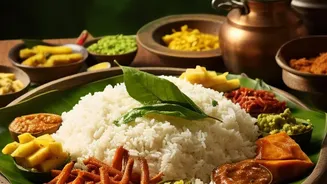
The hilsa fish, or Ilish, holds a special place in Bengali culture and cuisine, and Shorshe Ilish is one of its most celebrated preparations. This classic dish features pieces of hilsa simmered in a sharp and pungent gravy made from ground mustard seeds ('shorshe'), often balanced with the heat of green chillies and the mellow sweetness of coconut or poppy seeds. The unique flavour of the fish, combined with the distinctive kick of mustard oil and paste, creates a culinary experience that is quintessentially Bengali. During Durga Puja, it stands out as a special-occasion dish, best enjoyed with a plate of simple steamed rice.
Mishti Doi and Sandesh
A Bengali feast must end with sweets, or 'mishti'. Two of the most famous are Mishti Doi and Sandesh. Mishti Doi is a sweetened yogurt, traditionally fermented and set in earthen pots which help absorb excess water, resulting in a thick, creamy, and dense texture. Its unique flavour comes from caramelised sugar or date palm jaggery. Sandesh is a lighter sweet made from fresh chhena (a form of cottage cheese), which is kneaded with sugar or jaggery until smooth. It comes in countless varieties, from simple soft-pressed discs to those filled with syrups or flavoured with saffron. Both are essential to finishing a Puja meal on a sweet note.