

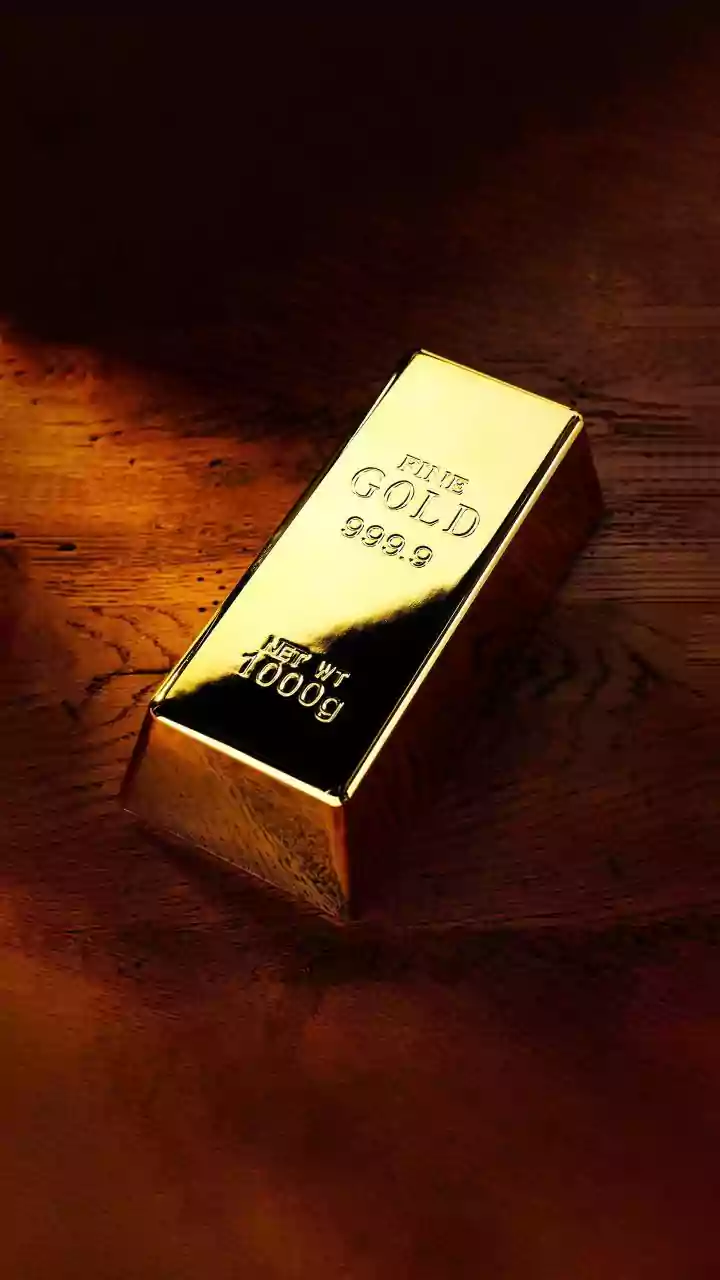




Decoding the Price Volatility
The fluctuating cost of gold isn't random; it's driven by a mix of global and domestic factors. Internationally, events like US Federal Reserve interest rate decisions and geopolitical tensions create ripples that affect gold's status as a safe-haven
asset. A stronger US dollar can also make gold more expensive. Domestically, India's import duties, which have been as high as 15%, and the value of the rupee against the dollar add another layer of complexity. This combination of forces has led to a period of sharp price movements, with gold reaching record highs earlier in 2026 before seeing corrections. This unpredictability makes it nearly impossible for families to know what their budget will afford them from one month to the next.
The Squeeze on Wedding Budgets
The direct impact on families is immense. Jewellery can represent a huge portion of a wedding's total expenses, sometimes as much as 30-50%. When prices are unstable, a budget set six months before the wedding can become obsolete by the time of purchase. According to the World Gold Council, while spending in value terms may have increased, the actual volume of gold being purchased has been flat or only slightly higher, indicating that people are spending more money for less gold. This forces families into difficult decisions: reduce the amount of gold, opt for lighter pieces, or re-evaluate the budget for other aspects of the wedding. The uncertainty adds a significant layer of stress to an already complex planning process.
Smart Strategies for Buying Gold
Despite the challenges, families are adapting with clever strategies. One of the most effective methods is to stop trying to 'time the market' and instead buy gold systematically. Many are now using Gold SIPs or other accumulation plans to purchase small amounts of digital or physical gold over several months or even years. This approach averages out the purchase price over time, reducing the risk of buying everything during a price peak. Another popular strategy is to exchange old or heirloom jewellery, which can offset the high cost of new pieces, especially when jewellers offer promotional value on exchanges. Scrutinising 'making charges', which can range from 5% to over 25% of the gold's value, and negotiating them can also lead to significant savings.
Rethinking Tradition with Modern Alternatives
The price shifts are also prompting a cultural conversation about alternatives. While gold remains central, some families are exploring other options to complement their purchases. Jewellers have responded by introducing innovative lightweight designs that offer a grand look with less grammage. There's also a growing interest in 18K or 14K gold pieces studded with diamonds or other gems, which can provide visual impact while reducing the overall gold weight. Lab-grown diamonds, in particular, are emerging as a mainstream choice for their affordability and design flexibility, allowing couples to achieve a luxurious look at a more accessible price point. For some functions, high-quality imitation or 'demi-fine' jewellery is also being used to preserve the budget for core heirloom pieces.