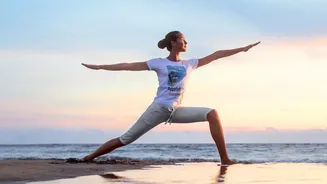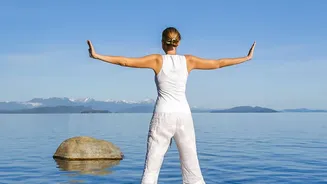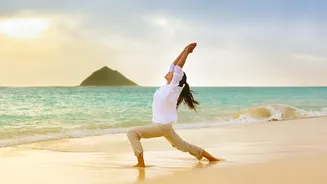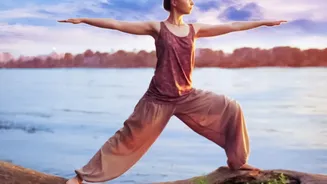



The Power of a 'Blue Space'
There's a reason we feel calmer and happier near the water. Environments like oceans and beaches are known as 'blue spaces', and research shows they have profound benefits for our well-being. Spending time in these settings can lower stress hormones,
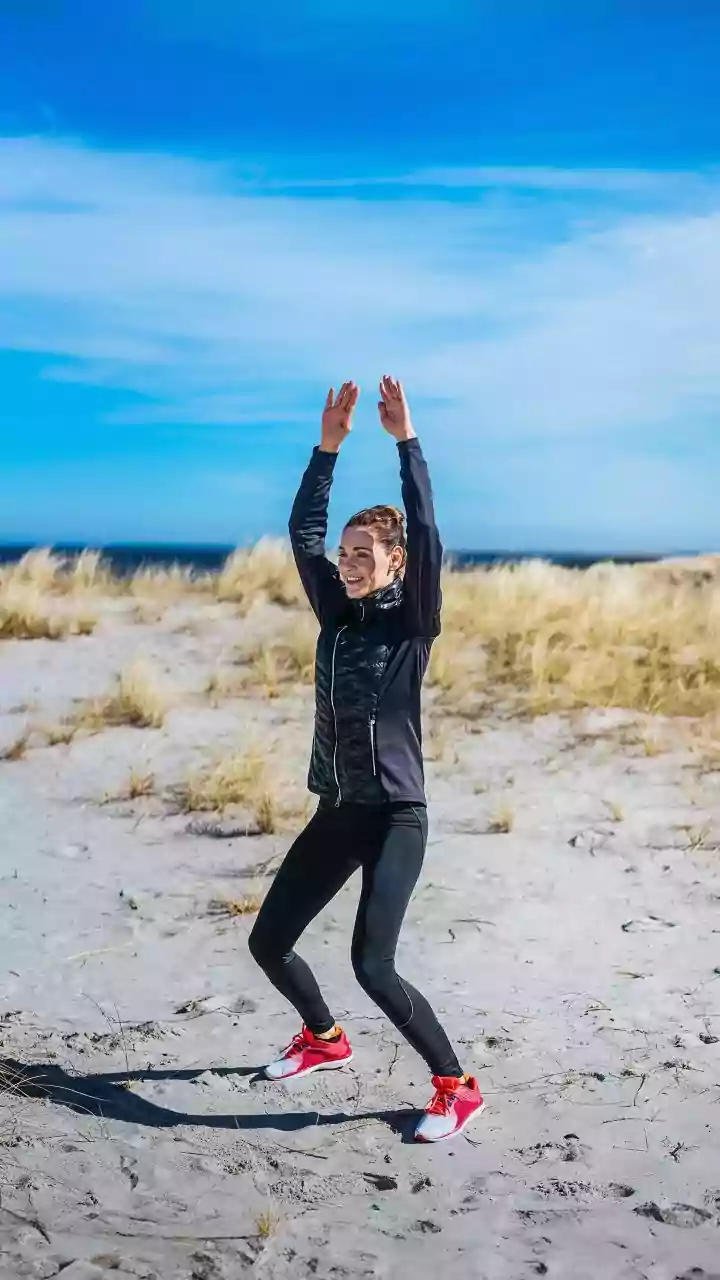
reduce anxiety, and improve your mood. The rhythmic sound of the waves provides a natural, meditative soundtrack that helps quiet the mind, while the fresh, open air can improve lung capacity. Beyond the mental calm, the beach itself is an excellent venue for physical activity. Walking on sand provides natural resistance, engaging your muscles more intensely than walking on a flat pavement and challenging your balance. This makes it the perfect, low-impact setting to introduce a new form of movement.
What Is Tai Chi?
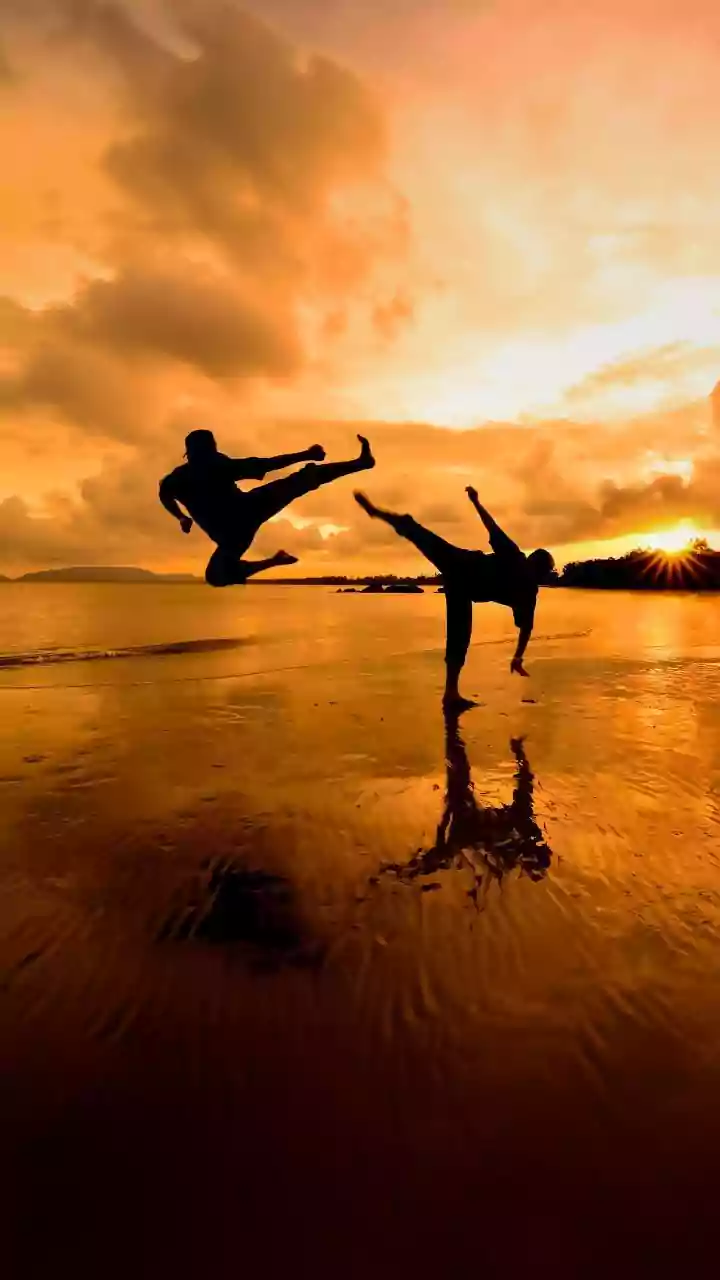
Often described as 'meditation in motion', Tai Chi is an ancient Chinese practice that involves a series of slow, gentle, and flowing movements. It connects the mind and body through rhythmic patterns coordinated with breathing. Though its roots are in martial arts, it is now primarily practised for its significant health benefits. Tai Chi is a noncompetitive and self-paced exercise suitable for almost any age or fitness level because it is gentle and not strenuous. Regular practice is known to improve balance, flexibility, coordination, and muscular strength. The focus on slow, controlled movements also promotes mindfulness, forcing you to stay in the present moment and set aside distracting thoughts.
Simple Moves for the Shoreline
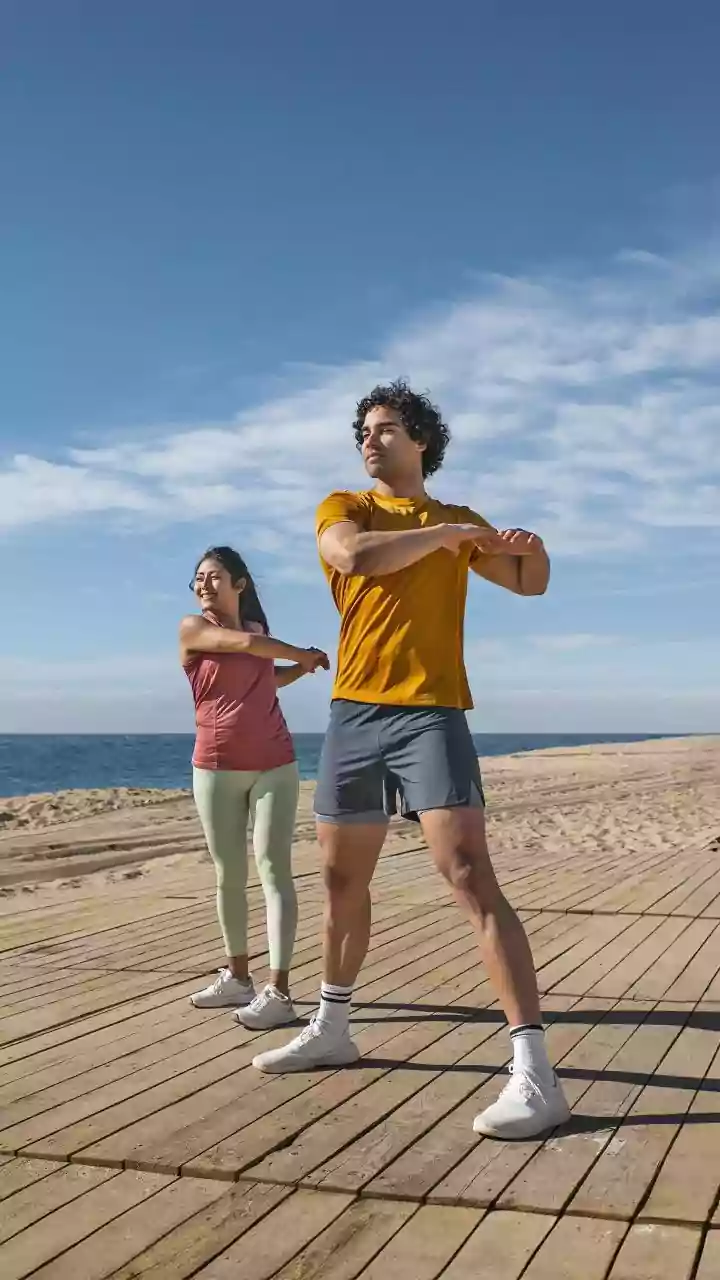
You don't need to be a master to start. Integrating a few simple movements can create a structured session. A key principle is the mindful transfer of weight, which is fundamental to all Tai Chi. Try these beginner-friendly exercises during pauses in your walk: 1. Circles in the Sand: Stand with your feet shoulder-width apart, knees slightly bent. Shift your weight onto one leg. With the toes of your other foot, gently draw circles in the sand, first in one direction, then the other. This simple move challenges single-leg balance and brings awareness to your ankles and feet. Repeat on the other side. 2. Torso Twists: Stand with your hands on your hips and feet firmly planted. As you breathe in, feel your spine lengthen. As you exhale, gently twist your torso to one side, keeping your knees pointing forward. Let your breath guide the speed of your movement. This promotes spinal flexibility and gentle core engagement. 3. Rocking Motion: Stand with one foot slightly in front of the other. Gently rock your weight forward onto the front foot, then flow back onto the rear foot. Synchronise this with your breath, inhaling as you move one way and exhaling as you move the other. This movement mimics the ebb and flow of the tide and is deeply relaxing.
Tips for Your First Beach Session
To get the most out of your beach Tai Chi, keep a few things in mind. First, embrace the environment. The shifting sand is not a hindrance; it's a tool that forces you to improve your balance and body awareness. Try to practise during sunrise or sunset when the temperatures are cooler and there are fewer people. Wear comfortable clothing that allows you to move freely. Focus on your breathing, taking deep breaths of the fresh ocean air to enhance relaxation and mental clarity. You can use the sound of the waves to find a natural rhythm for your movements. Don't worry about perfecting the form right away. The goal is to move with mindfulness and fluidity, as if you're moving through water. Start small, perhaps by incorporating just one or two movements into your next walk, and build from there.