



The Global Trendsetter vs. The Local Champion
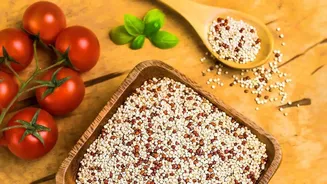
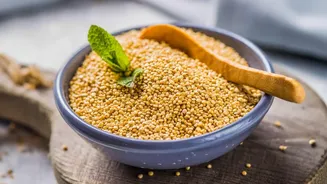
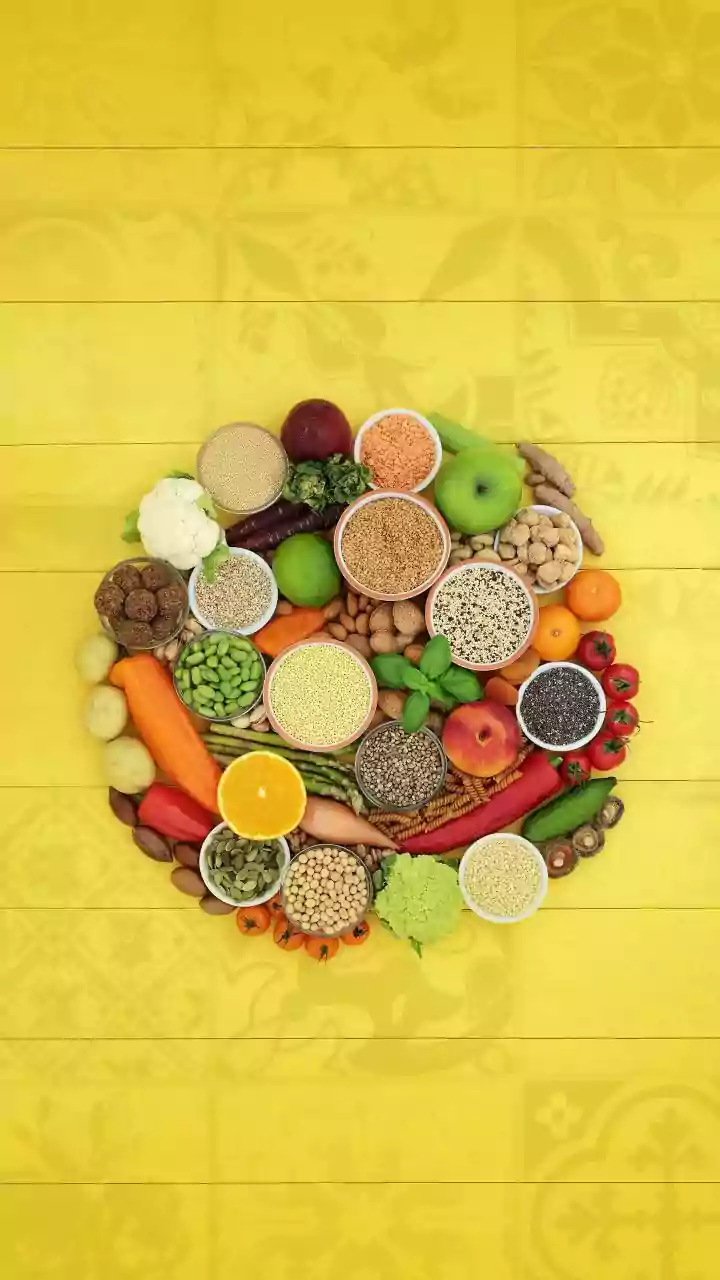
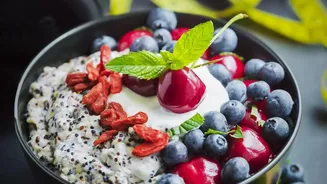
Quinoa, a seed native to South America, shot to global fame for being a 'complete protein'—meaning it contains all nine essential amino acids. This made it an instant star among fitness enthusiasts and those on plant-based diets. It has a sophisticated,
modern appeal and is often seen in trendy salads and health bowls. Ragi, also known as finger millet, has been a staple in Indian households for centuries, especially in the southern states. Known as 'Nachni' in the North, this hardy grain has long been valued for its resilience and nutritional might, traditionally used to make everything from porridge for babies to hearty 'mudde' for farmers.
A Duel of Taste and Flavour
When it comes to taste, the two grains offer distinctly different experiences. Quinoa has a subtle, nutty flavour with a slightly earthy or grassy undertone. If not rinsed properly to remove its natural coating, called saponin, it can sometimes taste bitter. Its mildness allows it to absorb other flavours well, making it a versatile base for heavily spiced or dressed dishes. Ragi, on the other hand, possesses a more pronounced earthy and slightly sweet, malty flavour. This distinctive taste is cherished in traditional preparations like ragi malt, where it is often paired with jaggery, but it can be an acquired taste for those unfamiliar with it.
The Texture Showdown
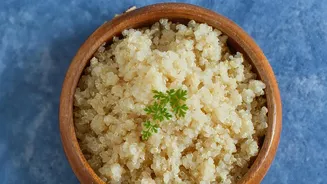
Texture is where ragi and quinoa diverge significantly. When cooked, quinoa seeds pop, becoming light, fluffy, and separate, similar to couscous. The grains retain a slight, satisfying chewiness. This texture makes quinoa an excellent substitute for rice and a wonderful addition to salads, where each grain remains distinct. Ragi is most often consumed as a flour. When cooked with water or milk, it forms a smooth, thick, and often creamy porridge or paste, like in ragi kanji or mudde. When used in baked goods or flatbreads like rotis and dosas, it lends a dense, soft, and slightly gritty texture.
The Nutritional Scorecard
Both grains are nutritional heavyweights, but they excel in different areas. Quinoa's claim to fame is its high-quality protein, offering about 14 grams per 100g and all essential amino acids. It also leads in iron and certain B vitamins like folate. Ragi's standout feature is its phenomenal calcium content, providing around 344mg per 100g—nearly twenty times more than quinoa. This makes it exceptional for bone health. Ragi is also incredibly rich in dietary fibre, which aids digestion and helps in managing blood sugar levels. While quinoa has more protein overall, ragi offers a more compelling profile for common Indian dietary deficiencies like calcium and iron.
In the Kitchen: Versatility and Use
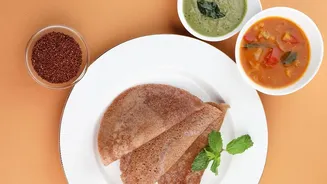
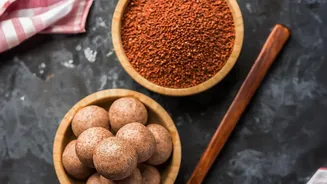
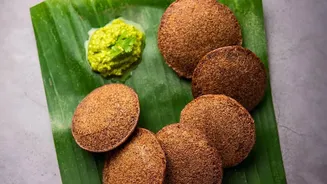
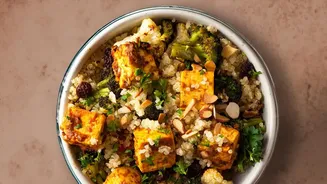
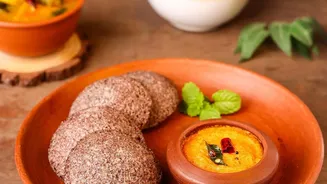
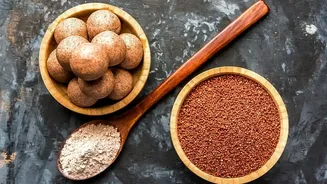
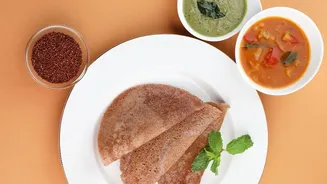
In the modern Indian kitchen, quinoa has found its place in salads, pulaos, upma, and as a healthy filler in patties and cutlets. Its quick cooking time (around 15 minutes) adds to its appeal for fast-paced urban lifestyles. Ragi's culinary uses are deeply embedded in Indian tradition. It is the star of South Indian classics like ragi mudde, dosa, and idli. As a flour, it's incredibly versatile, used to make nutritious rotis, porridge, laddoos, and even baked goods like cookies and cakes. The rise of millet-based products has also introduced ragi noodles and pasta, blending tradition with convenience.
The Final Verdict: Cost and Accessibility
For the average Indian household, this is a crucial deciding factor. Quinoa, being an imported product, is significantly more expensive than ragi. Prices for quinoa can be several times higher than for an equivalent amount of ragi, which is grown locally and abundantly across the country. Ragi is widely available in local markets and kirana stores in various forms—as whole grains, flour, or flakes. This affordability and accessibility make ragi a more practical and sustainable choice for daily consumption.